
How China’s auto industry is going to win the Philippines (and the world)
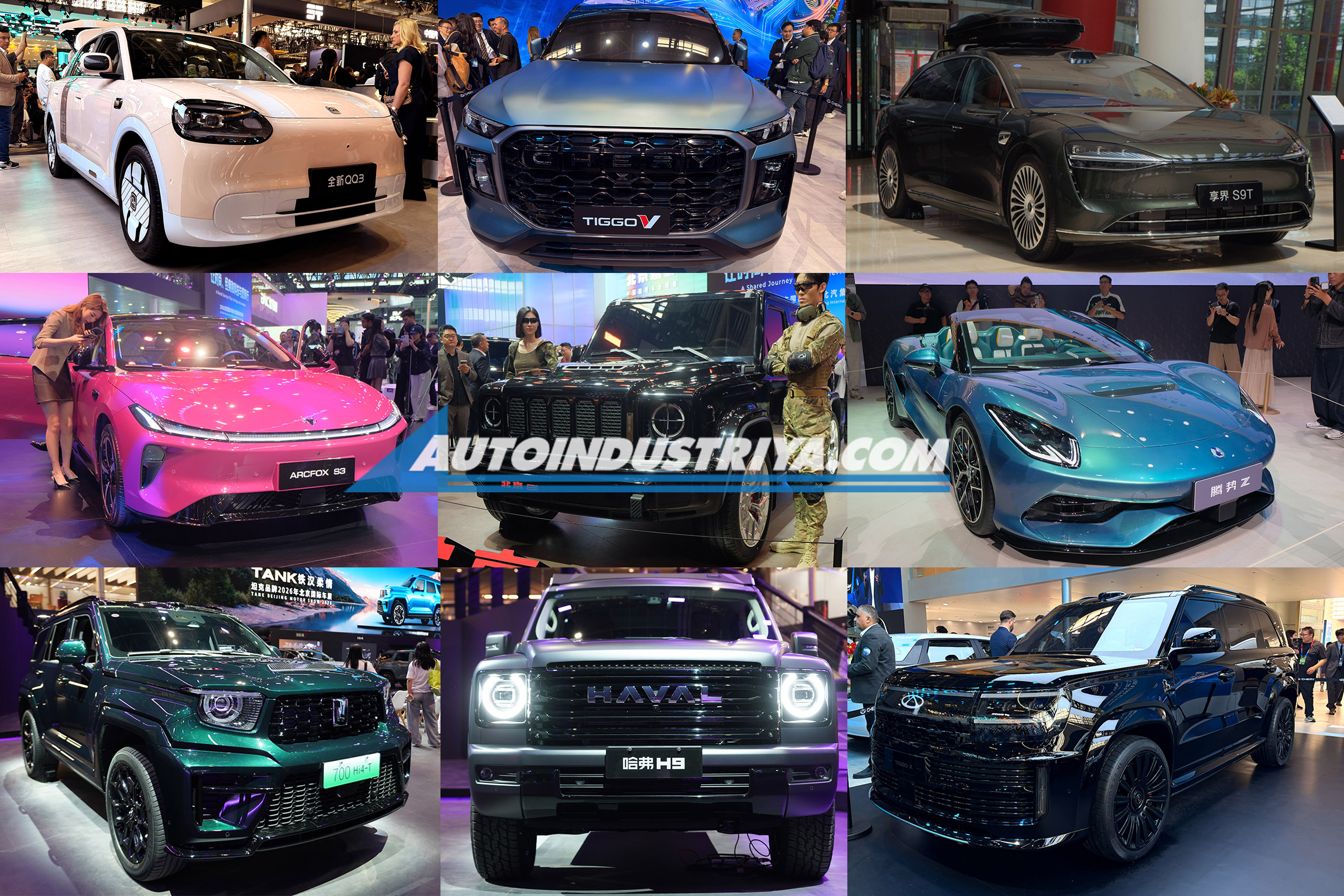
How China’s auto industry is going to win the Philippines (and the world)
A ground-level look at how China can dominate the global auto market (and ours)

I am quite sure that a lot of people who read the title must be thinking I’ve gone crazy, and opened it to try and find confirmation, or if this is just rage bait. I get it; we are very much biased towards the legacy brands in the Philippines because these OEMs established themselves in our collective psyche over decades. But a big shake-up is already happening.
Yes, I do believe China’s auto industry is preparing and positioning itself to dominate the Philippine automobile market, as part of a greater strategy to dominate the global auto industry. This is not a rogue opinion pulled out of thin air. There are a lot of indicators, and it has become clearer every year, every month, and every day that goes by. It’s only a matter of time until they do.
To be clear: I am not a cheerleader for China. Like you, I get angry when I see foreigners behaving in our land and waters that we do not like, and do nothing about it other than protest. But this is not about geopolitics. I am an observer of the automotive space that looks at what I can see with my eyes, the patterns emerging, the behavior of the big players, and how events shape what is going to happen. Our recent visit to Auto China -the primary annual motor show of the Chinese automotive industry and market that alternates between Shanghai and Beijing- just reaffirms my position.
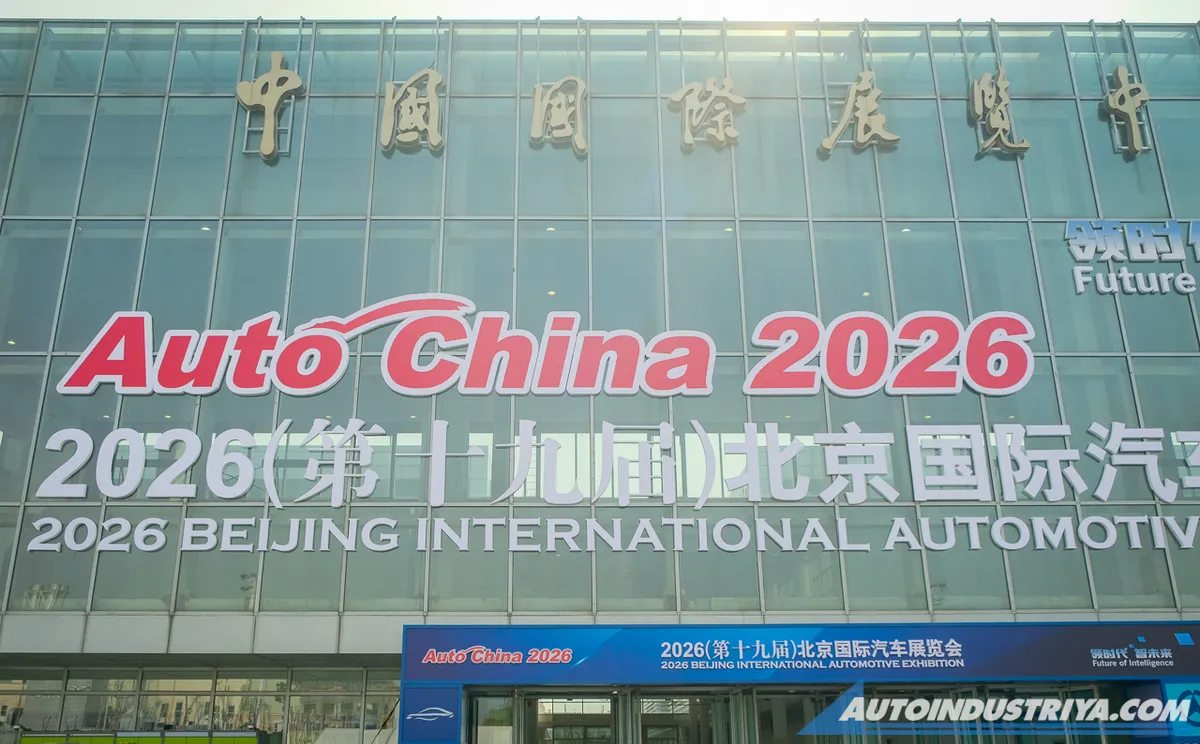
For the sake of transparency (as demanded by a certain wannabe influencer operating under a faux name), I attended the motor show in Beijing with Chery. In 2025, I went with Jetour to Auto China Shanghai, and in 2024, with GWM to Auto China Beijing. What can clearly be seen is the vibrancy of the event from almost every visual metric: the sheer number of OEMs, the number of brands under each OEM, the number of models that are being launched, and the number of journalists, dealers, and guests from all over the world converging into one massive venue. We’re not even talking about the public days yet.
There is just so much happening that it is impossible for one person or even one writer/host and photographer/videographer combo to cover it all in the first day. There is no way to do it without running yourself ragged. We are talking of tens of thousands of people navigating the halls at the same time, and each brand launching 5 models at the same time, with thousands watching just one brand do a presentation. Even the venue itself dwarfs major global auto shows like the one in Tokyo that happens every two years, and it makes our own venue in Manila look like a basketball court. And I’m talking barangay half court, not a fully covered court.
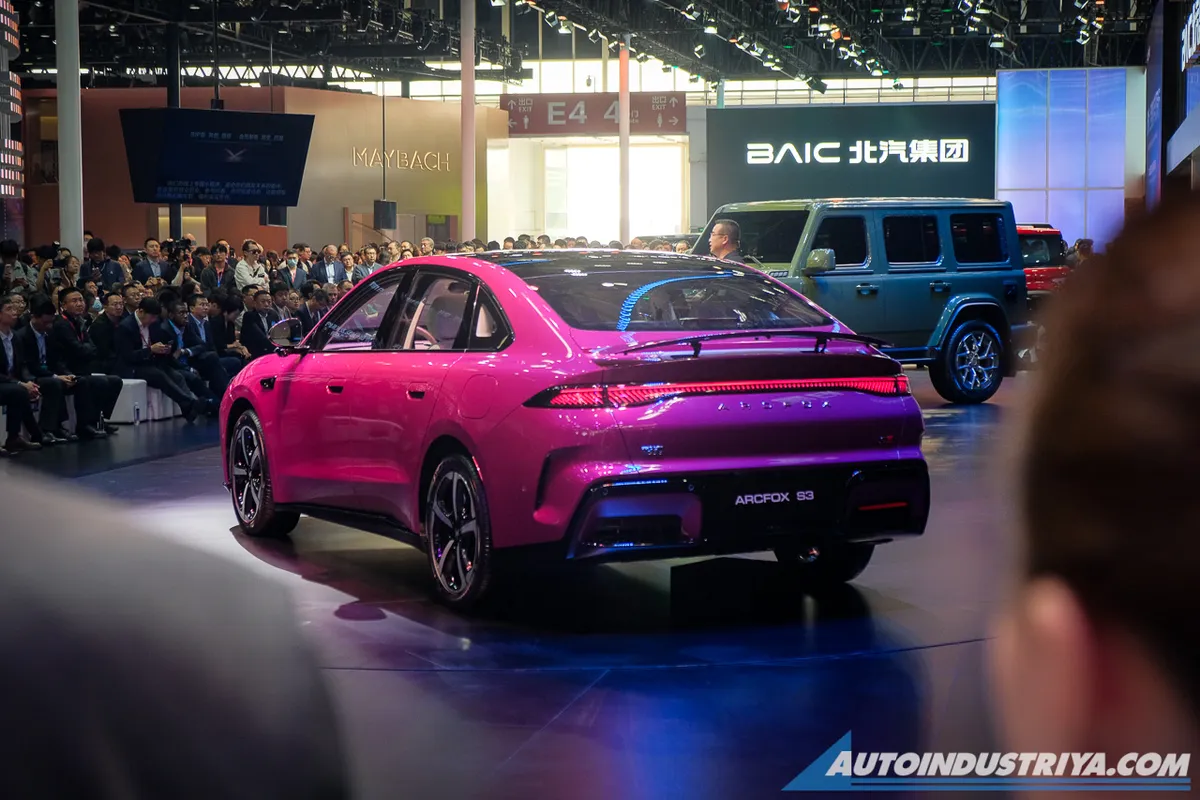
The show itself is a flex of the scale and activity in China’s auto industry versus the rest of the world’s automakers, which are fighting to stave off stagnation. We have already seen this scale in the many factory tours and tens of thousands of steps we’ve taken with Chery, GWM, SAIC, Geely, Aito, Dongfeng, GAC, and so much more. And their factories are all new and feature the latest technology to enhance efficiency, showcasing their growth and investment. It also helps that the government -be it national government or local government- tends to have an ownership stake in the company.
That’s why you can see the affiliation on the emblems and names of the companies. The B in BAIC stands for Beijing, the S in SAIC stands for Shanghai, and the G in GAC stands for Guangzhou. Some are more subtle, like how the stylized “A” logo of Chery stands for Anhui, the province of their hometown. Having a government is one hell of a backstop for any company, and a massive unfair advantage.
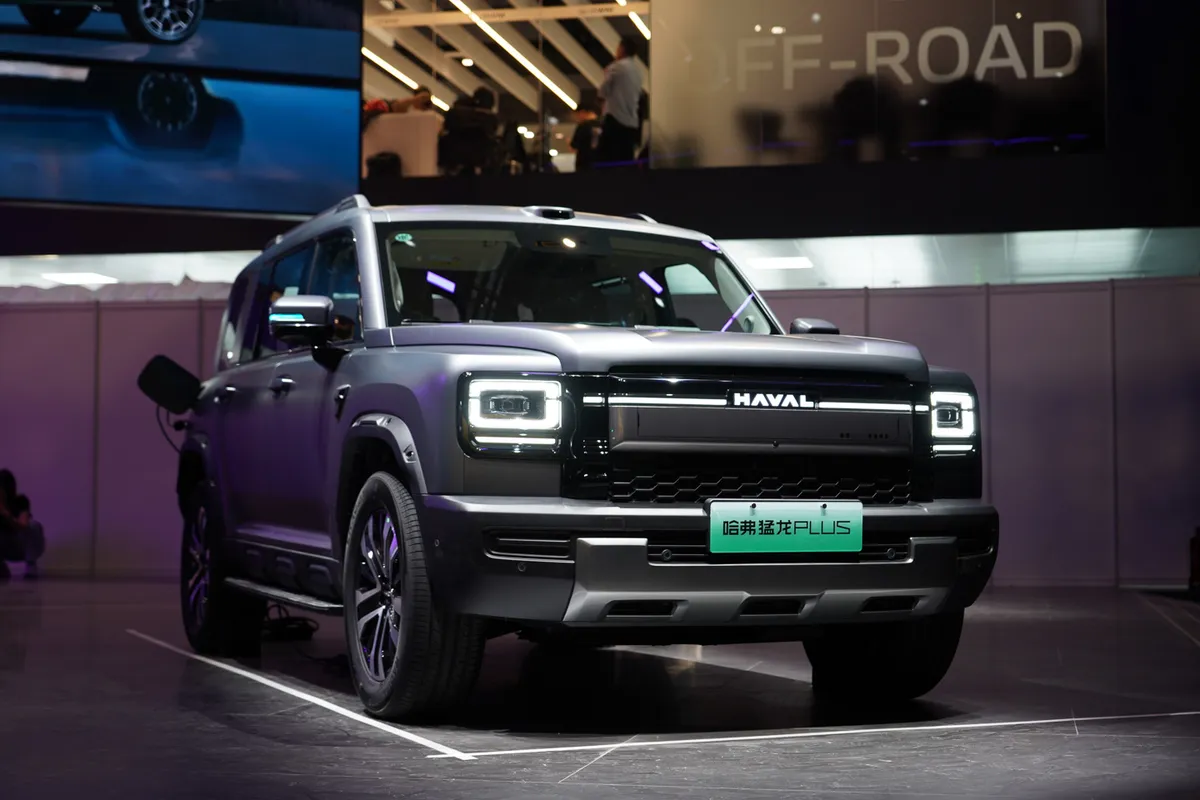
We like to think that the Chinese are communists. Or at least that’s the propaganda. But in practice, they are far more capitalist than the proud capitalists of the West. If there’s money to be made, they see the demand, develop a product, produce it in vast quantities more affordably, and supply it with such speed and economies of scale that no one can compete.
You’d think the U.S. could compete, but no. That’s why they’re going the protectionist route with tariffs. That’s not something an industry does if they are ready to compete toe to toe. The reality is, they cannot with their higher salaries, lower productivity, top-heavy (and bonus-heavy) organizations, and so on. That has been going on for decades now, and the severity of the ailments of the United States auto industry cannot be hidden anymore. As a kid, I dreamt of visiting Detroit, but I don’t think so anymore, given the urban decay from decades of troubles for America’s Big Three. Even when they united with Europe’s automakers, problems still persisted. Stellantis, anyone?
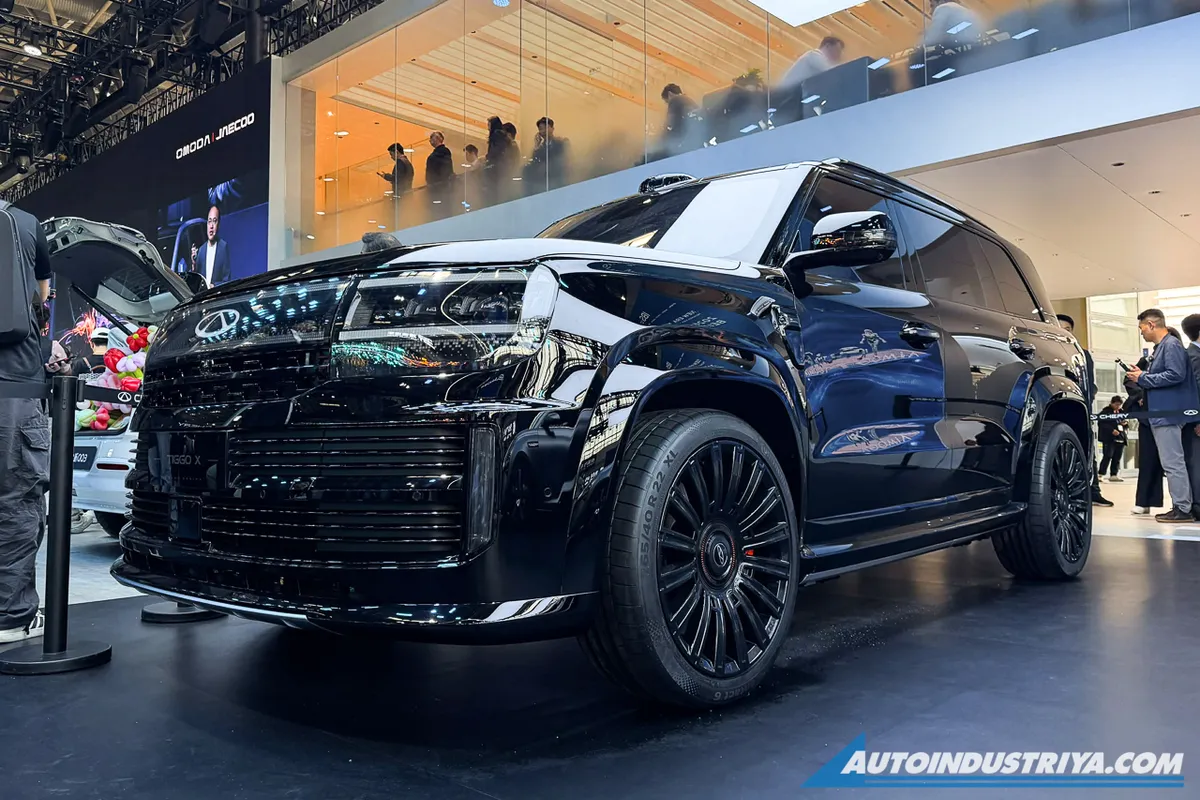
The challenger in the way is really the Japanese, and they are fighting to stay at the top of the game. They’re seeking to find more savings up-and-down and left-to-right within the just-in-time production system that they invented. Many of Japan’s automakers actually optimized to get cheaper when the Koreans emerged with Hyundai and Kia. The problem for Japan’s OEMs is that their suppliers are often partners over decades that also have to turn a profit, and so finding further savings in the supply chain isn’t going to be easy. Actually, it’s probably impossible.
The other major challenge for the Japanese is their philosophy of the use of time vis-à-vis tasks. What we have learned in our interactions with the Chinese auto executives is that (for better or for worse) they don’t waste time and do a lot of things, whereas the Japanese will take time to do just 1 thing with perfection. Think of it like an automotive game of darts: the Japanese brand will take 60 seconds to carefully aim with one dart and hit the bullseye with certainty. A Chinese brand will throw 60 darts rapidly at the board in the same 60 seconds, and chances are at least a few will stick.
We can see that in the time-to-market calendar that has been upended by the Chinese auto industry. Typically, Japanese automakers take about 5 years from initial conception to showrooms. For the Chinese, it’s now less than 2 years. And it’s getting faster. What that tells us is that the Chinese automaker is willing to do a lot, even if they make mistakes in the process. Yes, there will be failures with the number of errors, such as initial questionable quality, low safety, copycat designs, and poor driving characteristics. But over time, they get a list of lessons. And you always learn more from a miss than from a hit.
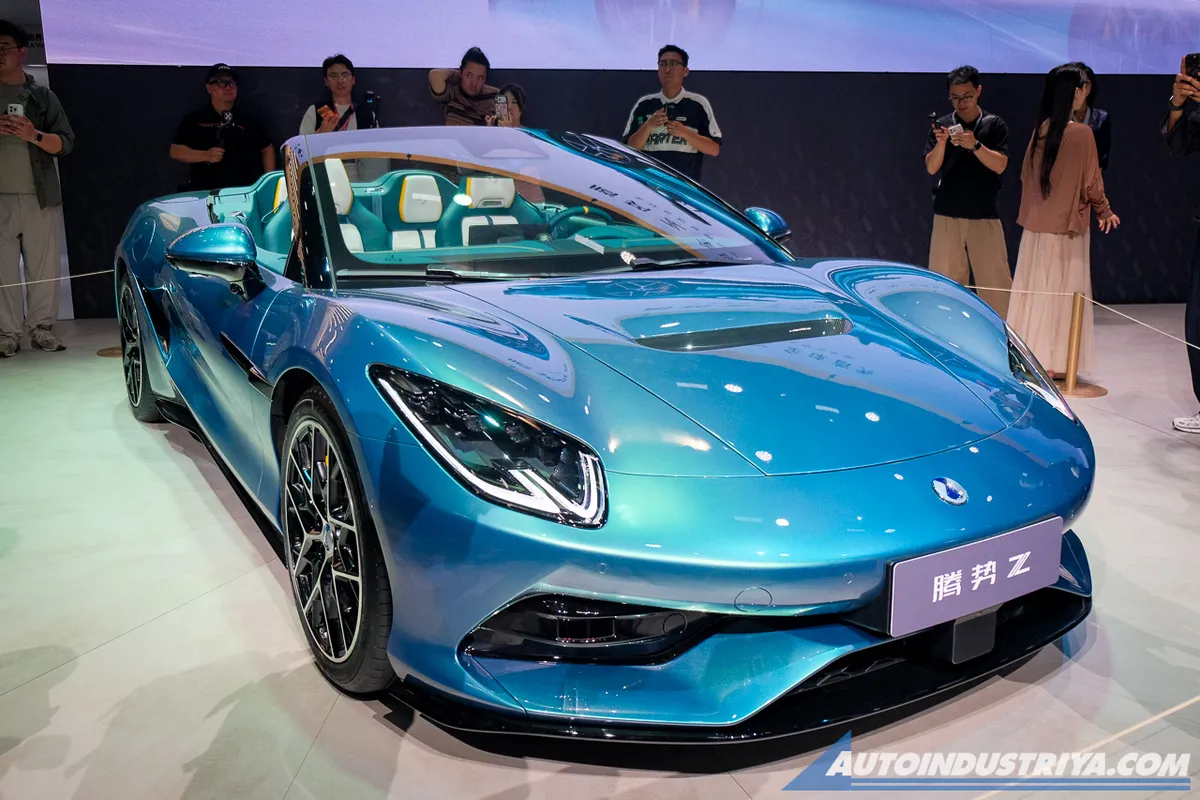
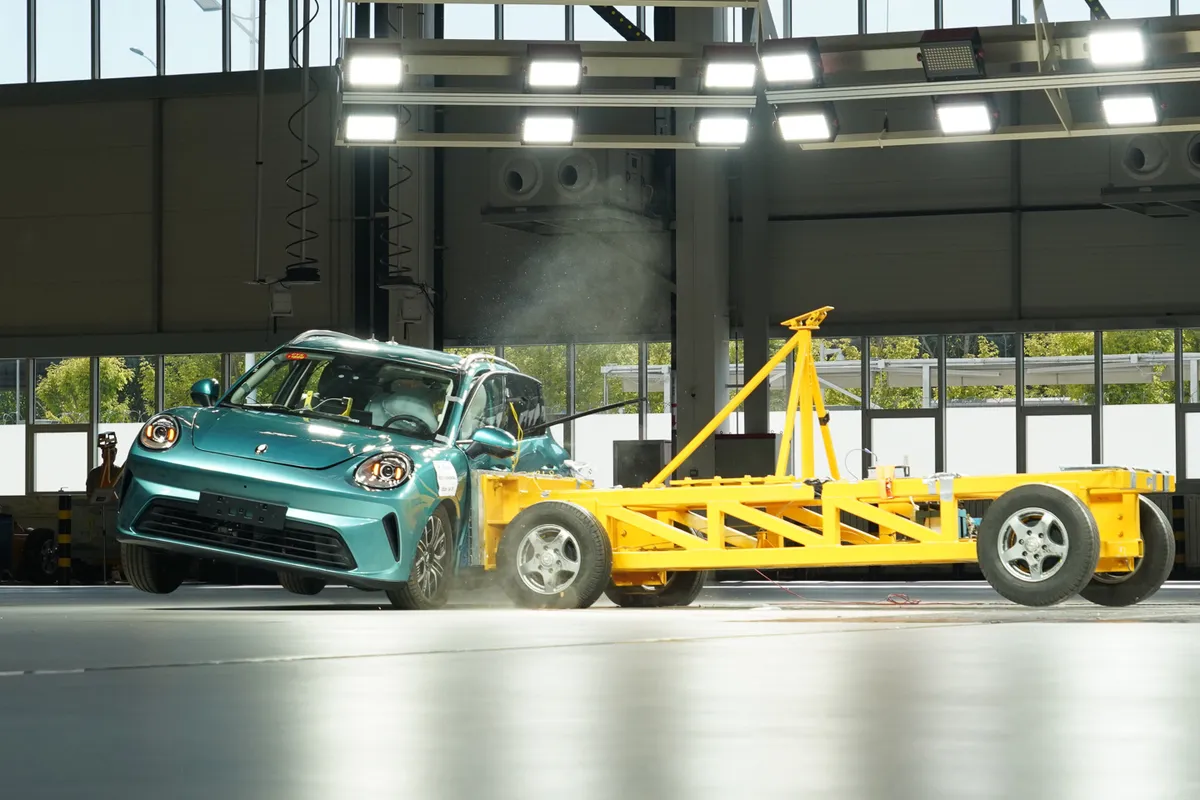
Now we are seeing Chinese-made models from all brands that are so advanced in design, cleverly engineered, thoroughly tested, with attention paid to quality control, and featuring impressive safety capabilities. Just this past week, Chery staged a live crash test in front of us of their new SUVs. A big sled came from the rear, while another SUV smashed into the front. The airbags deployed, the passenger cell was secure, and the windows and doors were easily opened afterwards. All this from a brand and a country that used to be the target of car safety jokes. And they’re doing it all at attractive prices that rivals from other countries simply cannot match.
They’re learning to hit better and in greater numbers that won’t be 100%, but 10 good products are probably better than one perfect product. A balance of speed and accuracy can be more effective than absolute accuracy with no speed. The challenge for other automakers is that it is easier to slow down and improve rather than to accelerate without incurring mistakes. That will probably explain why some Japanese brands are having trouble with quality control, because their process-based system doesn’t accelerate so easily. Just search for the issues Daihatsu has been having.
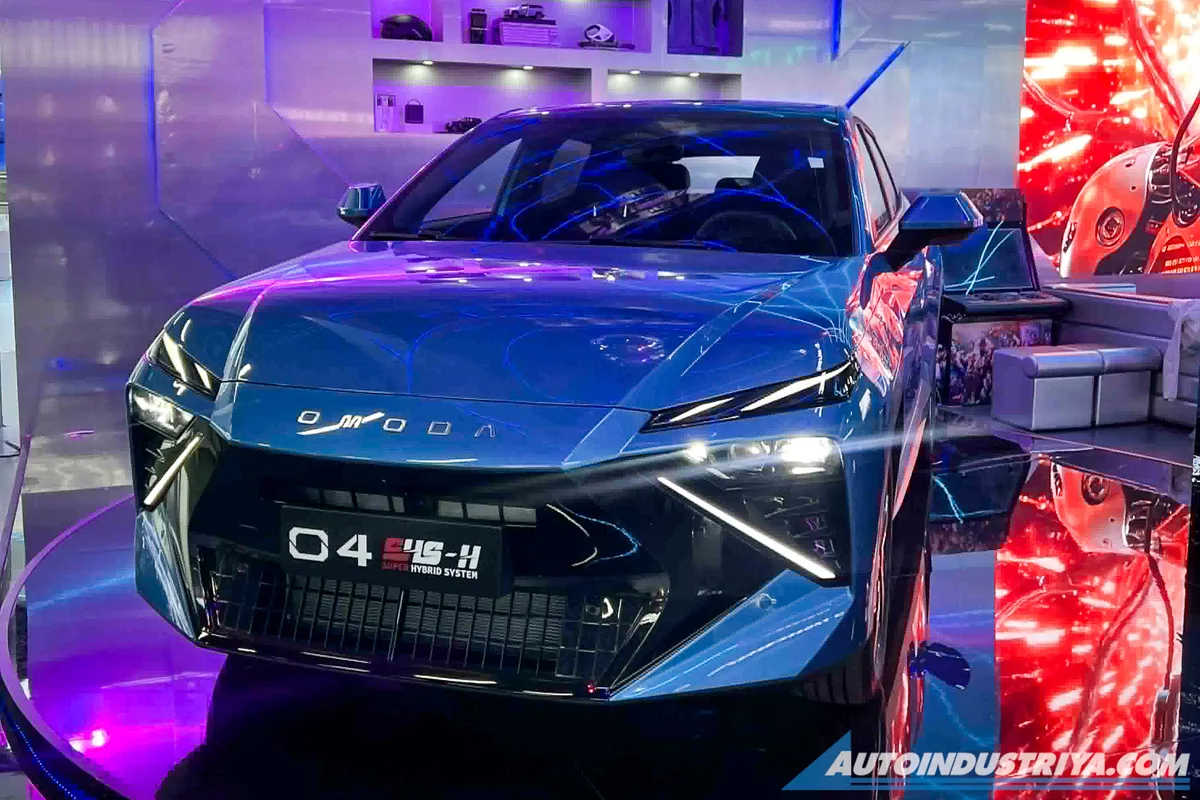
Right now, there are only a few things in the way of Chinese automakers. In the case of the Philippine market, international relations in the region are an issue, but also the strong affinity of the buyer towards the legacy brands that have been part of families for a generation or two. That, however, has been turned on its head by recent world events, particularly the oil shock caused by the U.S. and Israeli war on Iran.
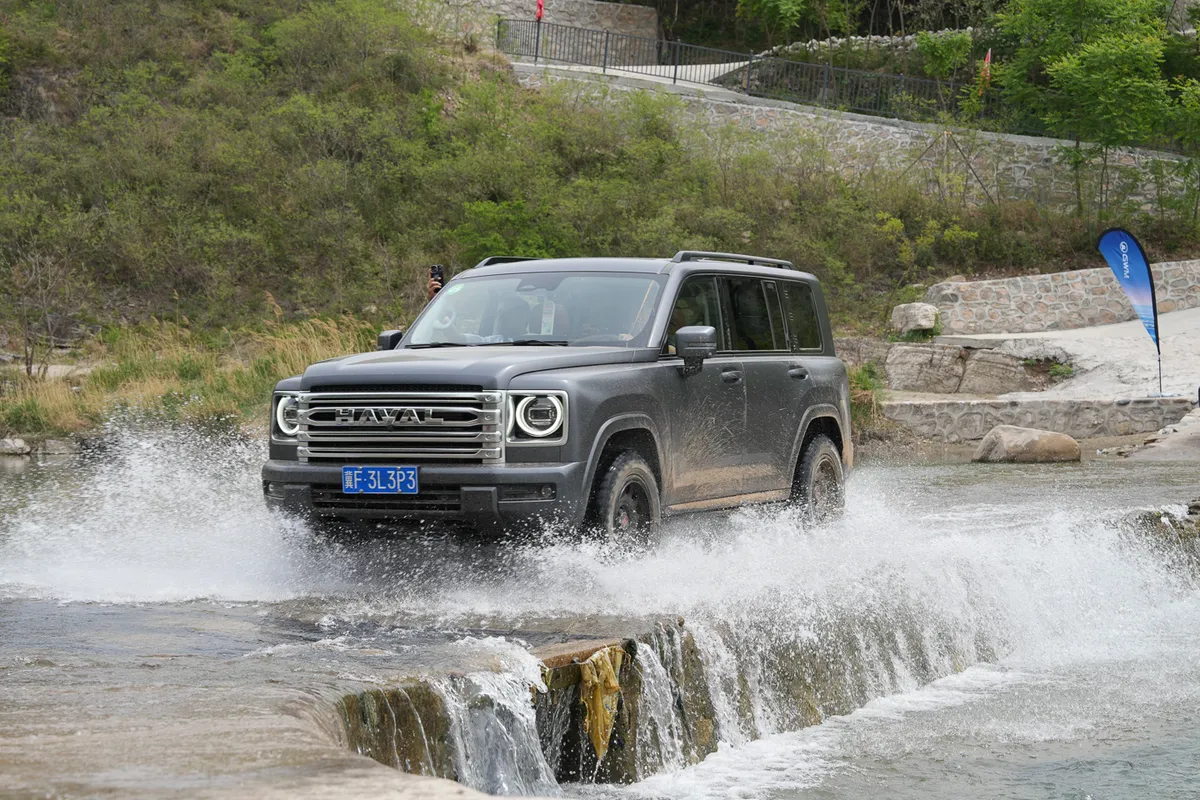
That single event forced a very good portion of the market to suddenly (and seriously) put down money for an affordable Chinese vehicle that is a BEV or PHEV because many of the legacy brands from Japan, Korea, America, and Europe had none? Heck, even Vietnamese newcomer Vinfast sold very well after February 28 because they were all BEVs, all while sales of the legacy ICE automakers dropped significantly. Isn’t it ironic that by attacking Iran, the U.S. drove people to buy the automobiles of rival China? History already showed in 1973 that the oil embargo also drove buyers to look at small-engined Japanese cars rather than the big V6 and V8 engines in American cars.
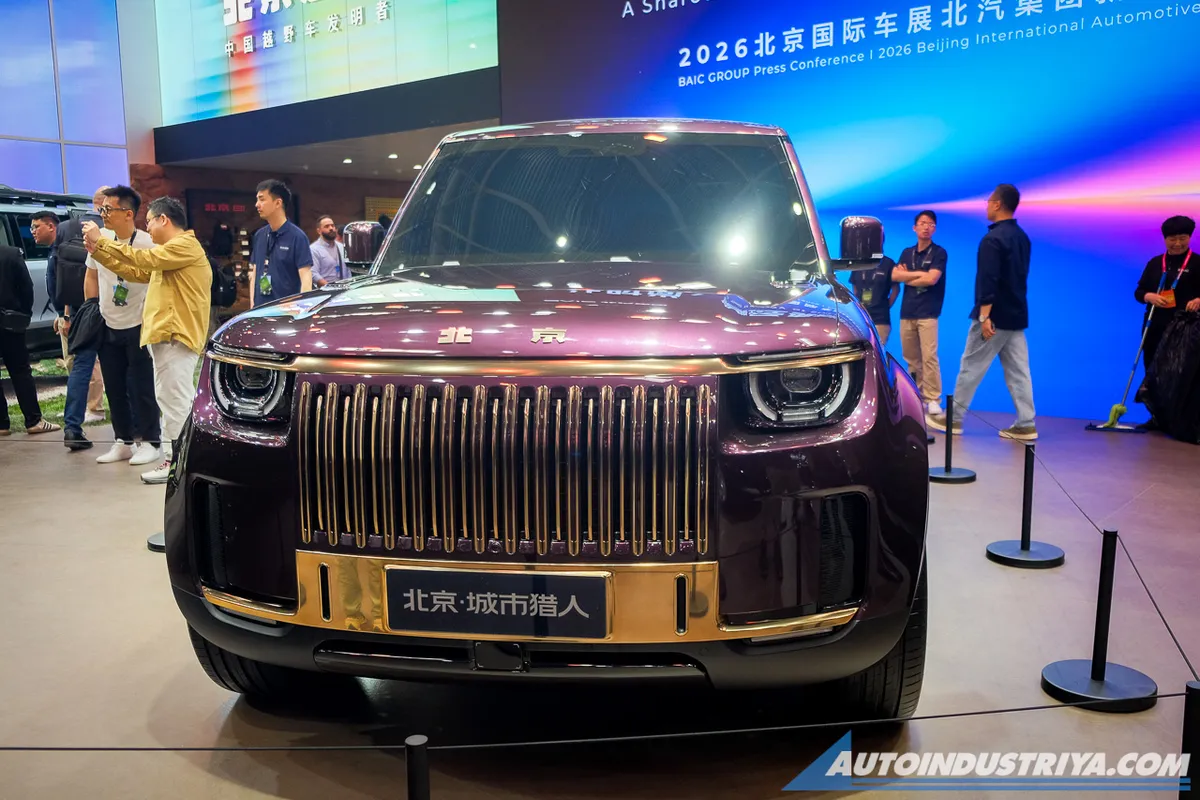
We can see two moves that remain for the legacy brands, and the first is to hype automobile passion. We’re talking about traditional auto passion like driving pleasure, heritage and history, and a brand’s connections to family over decades. Those are good things that we enjoy and look fondly towards, and many will still go that route to be part of that legacy, even if it costs more. To be honest, I wouldn’t even consider resale/residual value as a factor, especially if you have to pay more to run a vehicle just to cling on to it.
The second (and perhaps the only real move) for the legacy brands is going to be strengthening aftersales to buy them time until their new (and hopefully more affordable) BEVs and PHEVs enter the market.
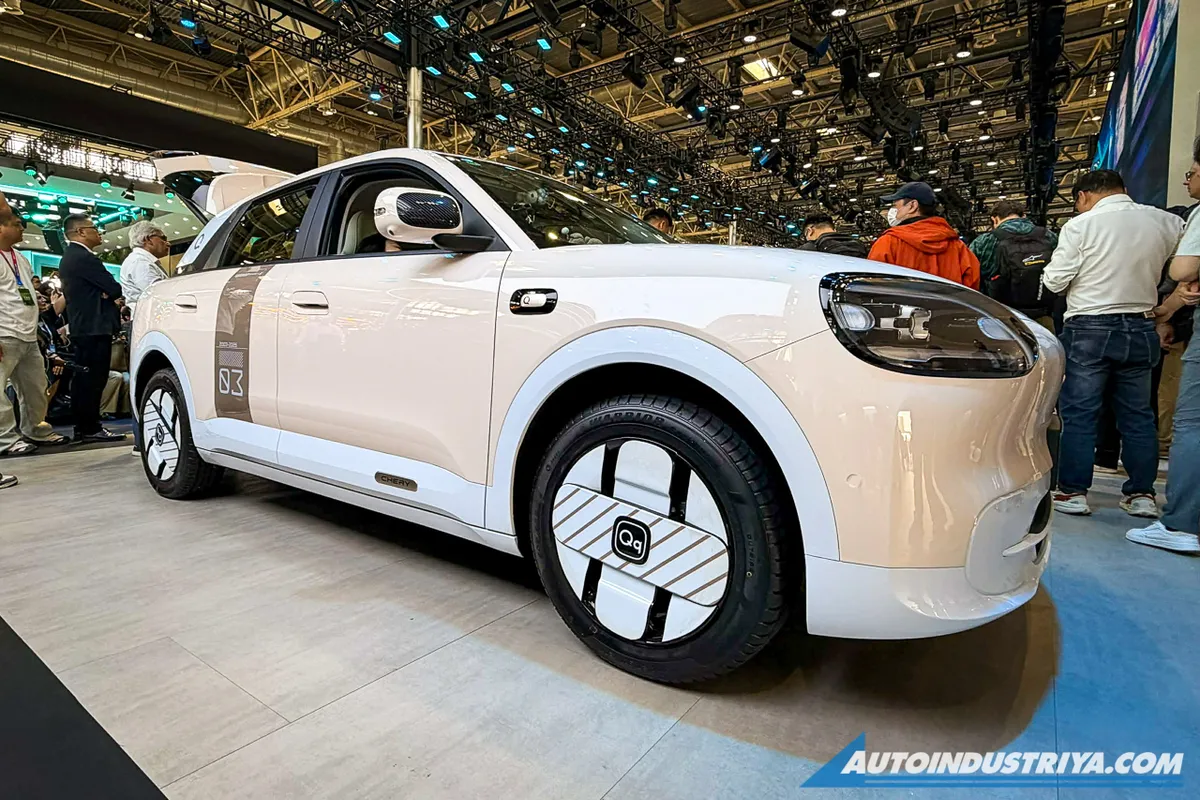
Why do I say aftersales? Quite simply, it is an aspect of the automotive ownership experience where a lot of Chinese brands fall short. Chinese brands push to get the automobile out to market, but tend to consider aftersales as afterthoughts. It is their Achilles’ heel.
Some would be wondering why this is a problem when we have so much skilled manpower in the Philippines? Technicians aren’t an issue, but rather having the parts on hand at the dealer or at a local warehouse to maintain and/or fix cars. If a dealer has to call China to import a part like a bumper, then that is a problem. These parts need to be stocked beforehand for immediate consumption. If they don’t, that’ll mean big problems or potential ruin. That’s what happened to Geely in 2023, and in 2026, it is still haunting the minds of every customer who walks into their showrooms.
Filipino-run distributors with extensive experience with a Chinese brand know the problem and how to solve it. Experience taught groups like UAAGI (Chery, Foton, BAIC, Jetour, Lynk&Co, Radar) to set up their own parts warehouses and stocks, and they always order fast-moving consumables like filters as well as collision parts and the like. For the Chinese-run subsidiaries, it’s a bit more difficult because the mindset and experience of a Chinese executive is a little different, and somehow disconnected from how we need a car brand to operate in the Philippines or even in other parts of the world.
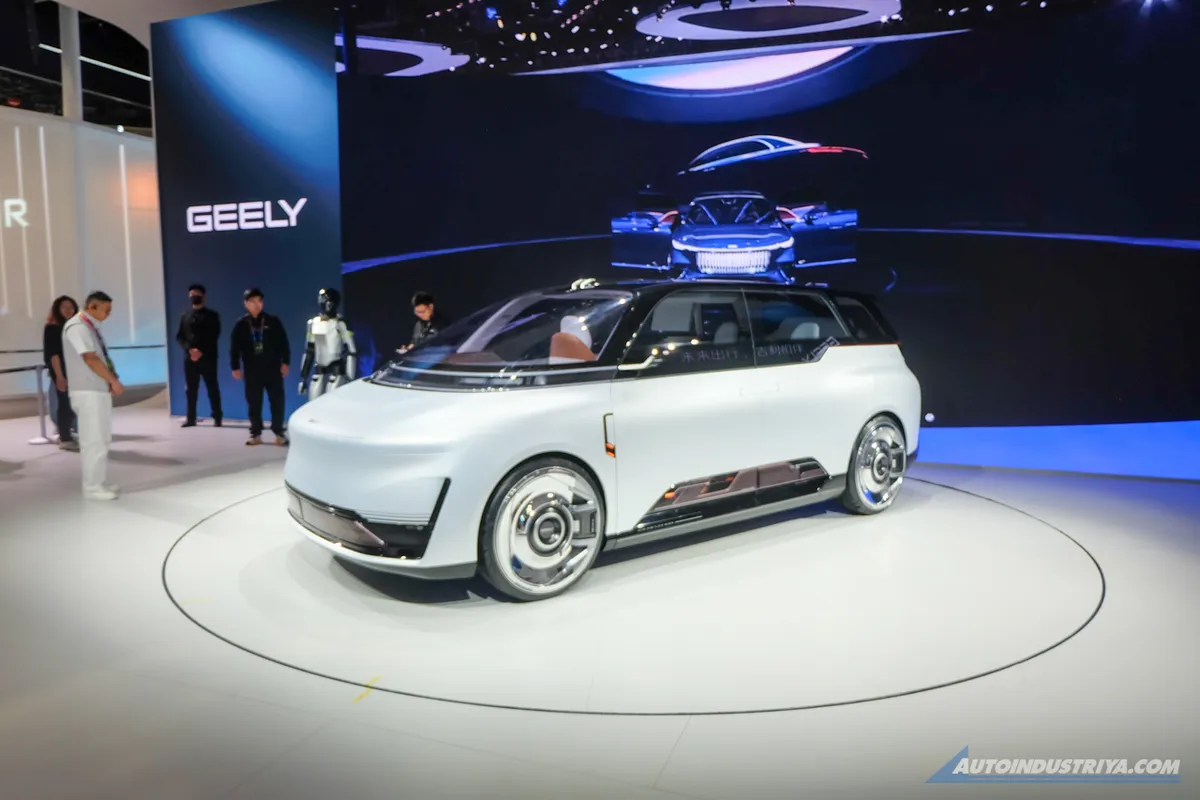
To be honest, they don’t have to think like a Filipino or in the mindset of any other nation they are operating in. Instead, they just need to read a famous quote by a famous general. We’re not talking about Sun Tzu, but Omar Bradley.
"Amateurs talk strategy. Professionals talk logistics."
If they add this dimension, then they win.
Related Posts
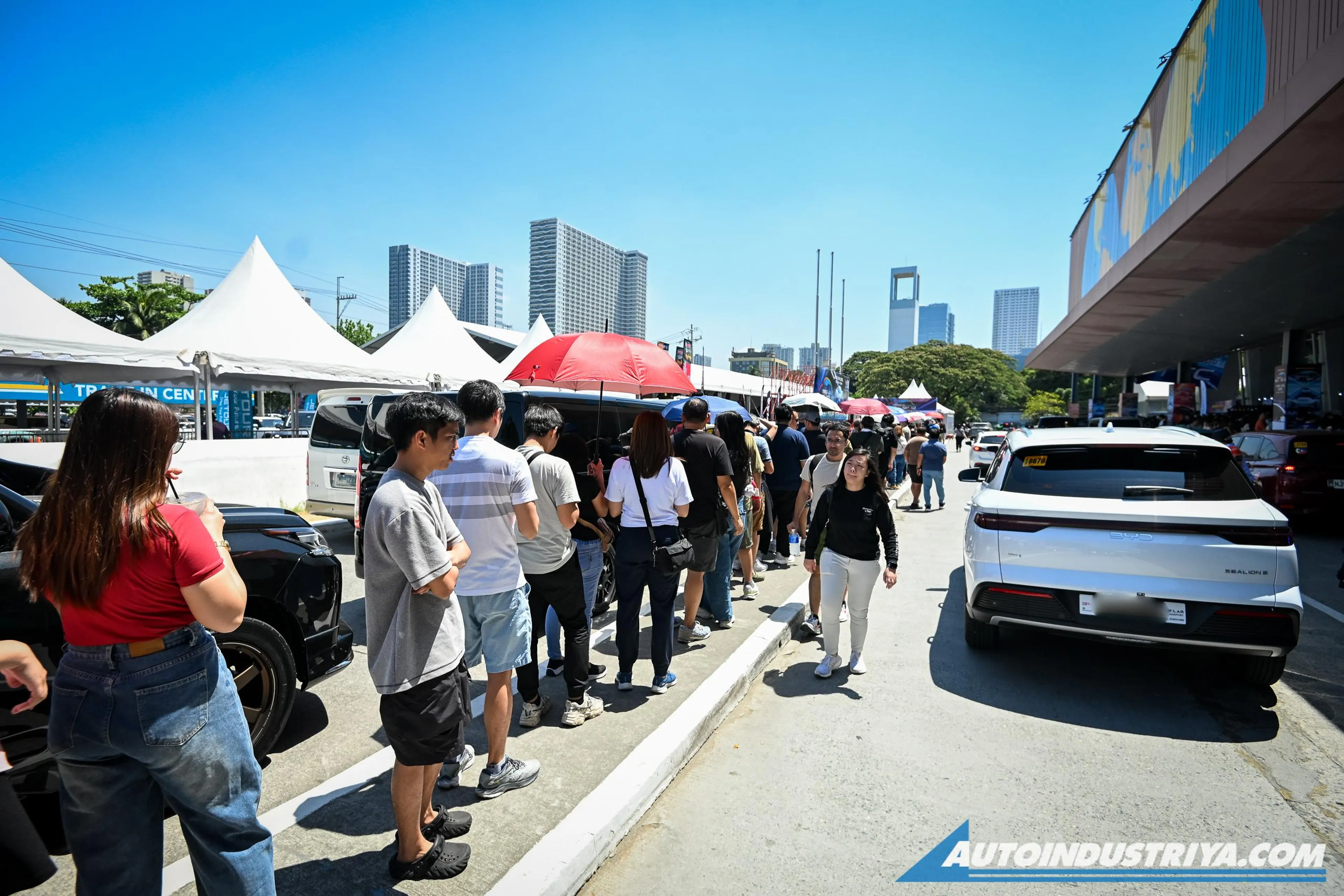
We need to talk about MIAS 2026
2026 Manila International Auto Show has a lot in store, but there was a lot that needed fixing too

Trial by Social Media: Who is winning this James Deakin vs LTO issue?
What a start to the year, especially in the gossip-heavy automotive media circle.
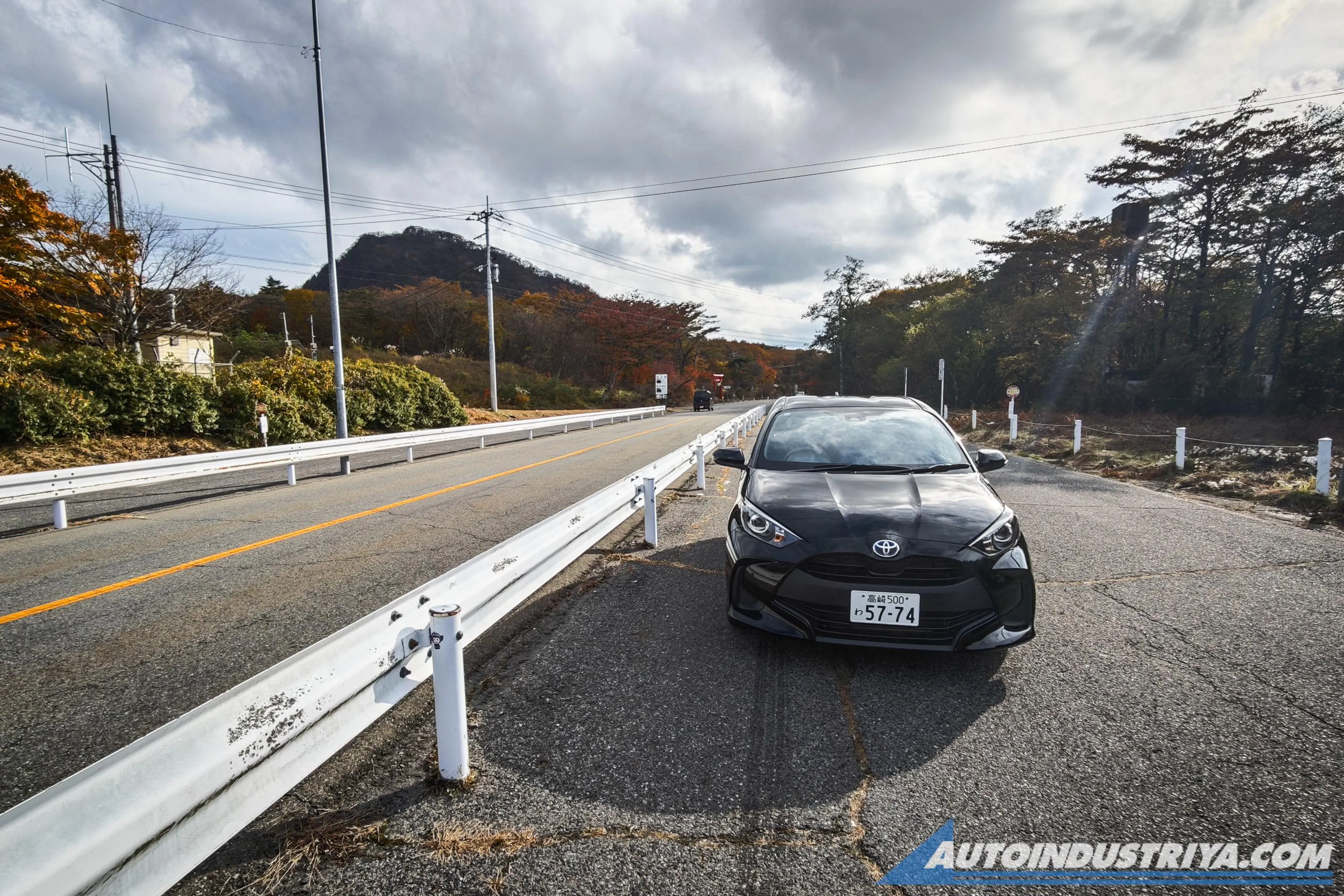
Initial Dreamers: We rent this Toyota Yaris HEV to drive Mount Akina and Akagi
We rent a cheap Yaris and enjoy Initial D's Mt. Akina (Haruna) and Mt. Akagi
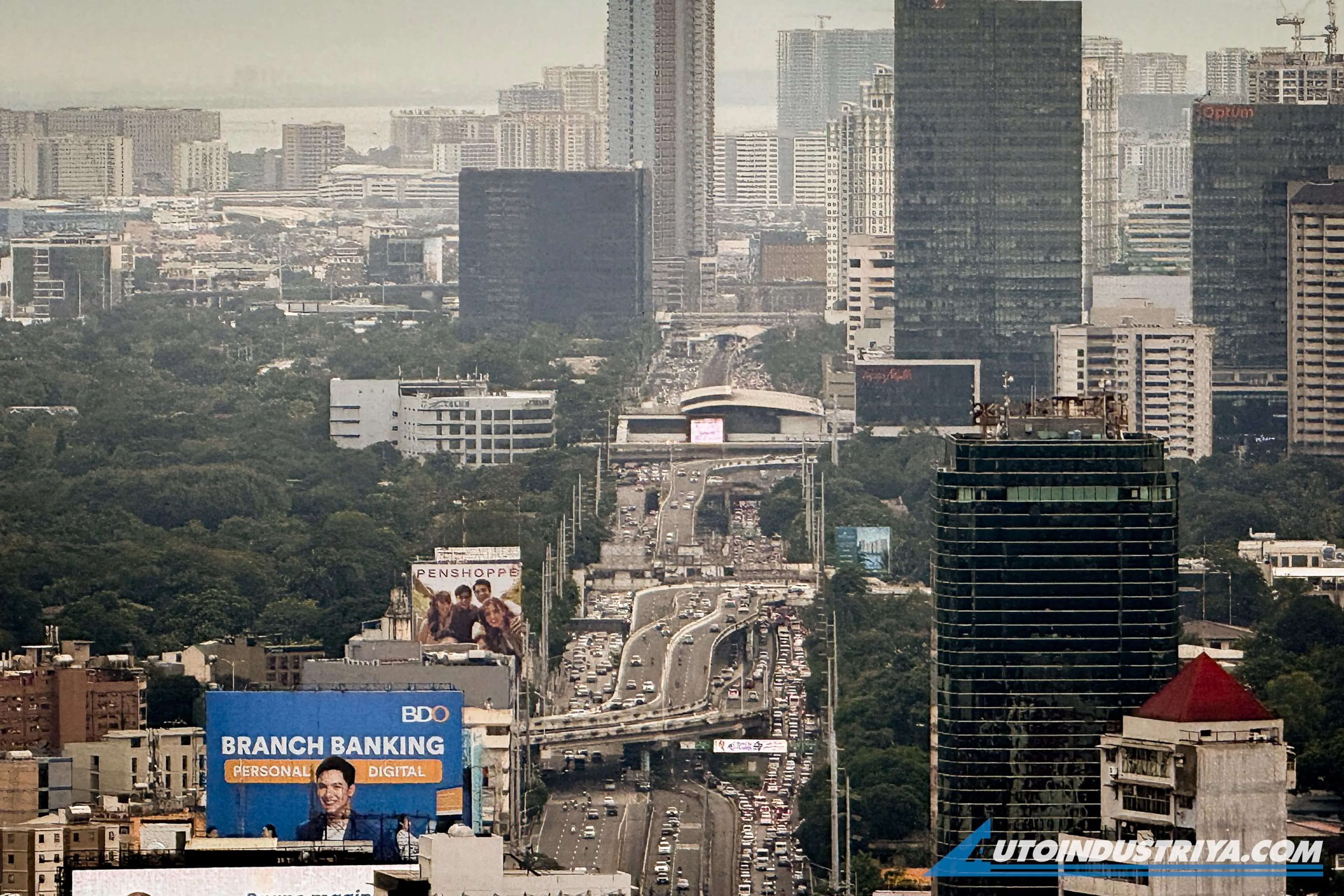
Can a Rebuild truly fix EDSA?
EDSA Rebuild: A true solution or a glorified reblocking plan?
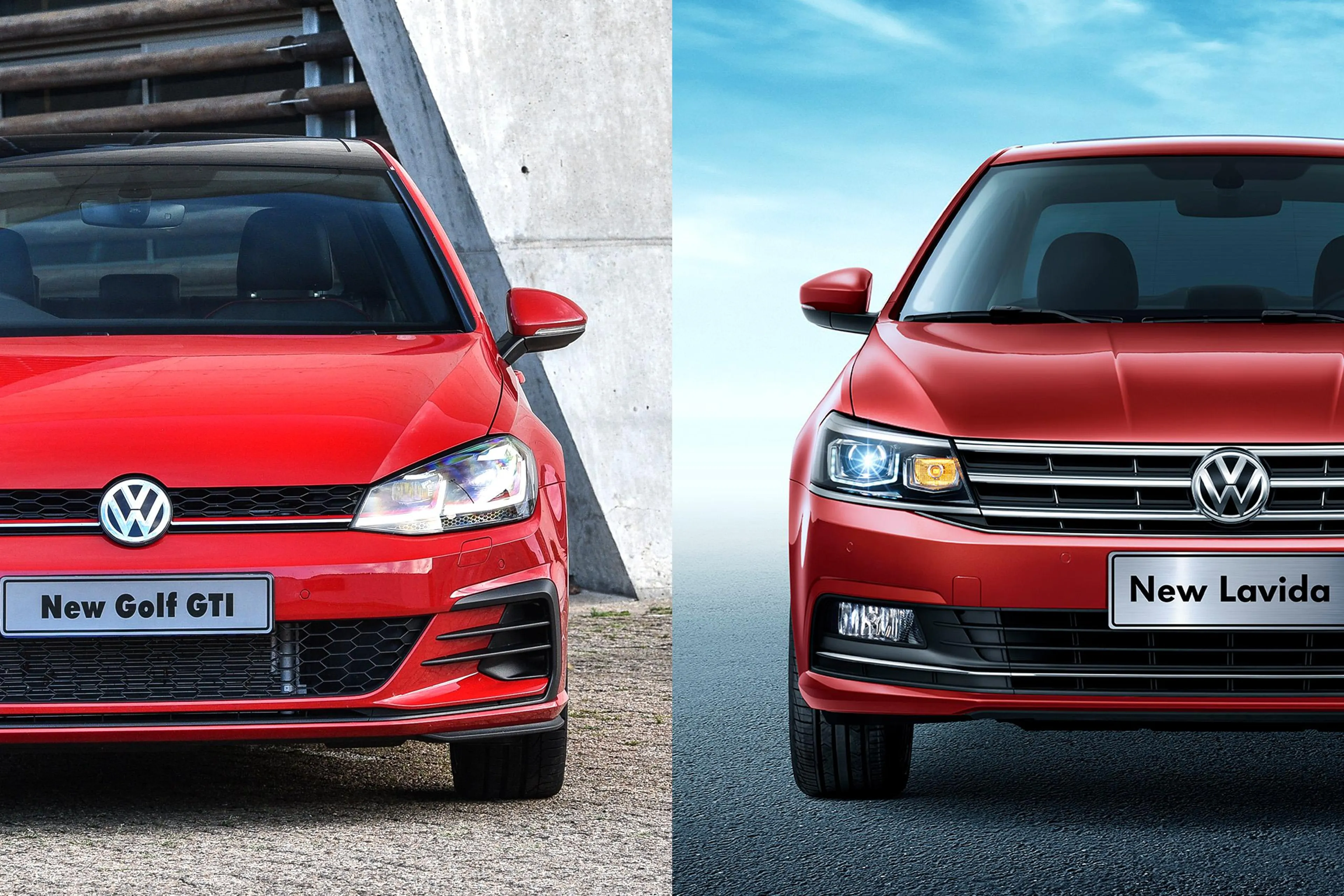
Volkswagen x Ayala: Doomed from the start?
An outsider's point of view on the fall of the Volkswagen-Ayala distributorship in the Philippines

How NCAP fails (and how it succeeds)
Do you want NCAP to be removed or do you want it to stay?