
Geely Auto Group shows off Mobility Roadmap at 2026 Auto China
Geely Auto Group shows off Mobility Roadmap at 2026 Auto China
From e-methanol to AI-driven tech

As always, the Beijing International Automotive Exhibition (Beijing Auto Show) highlighted the latest models from China’s automotive industry, while also offering a clear look at how brands are placing technology at the center of their future mobility strategies.
For Geely, one of China’s first successful privately owned car manufacturers, the showcase went beyond future mobility with AI at its core. It rolled out a full display of next-generation technologies spanning Smart Cities, Smart Energy, Smart Platforms, and its Methanol Ecosystem.
This is what Geely calls the Era of Full-Domain AI 2.0.
Full-stack 900V hybrid architecture
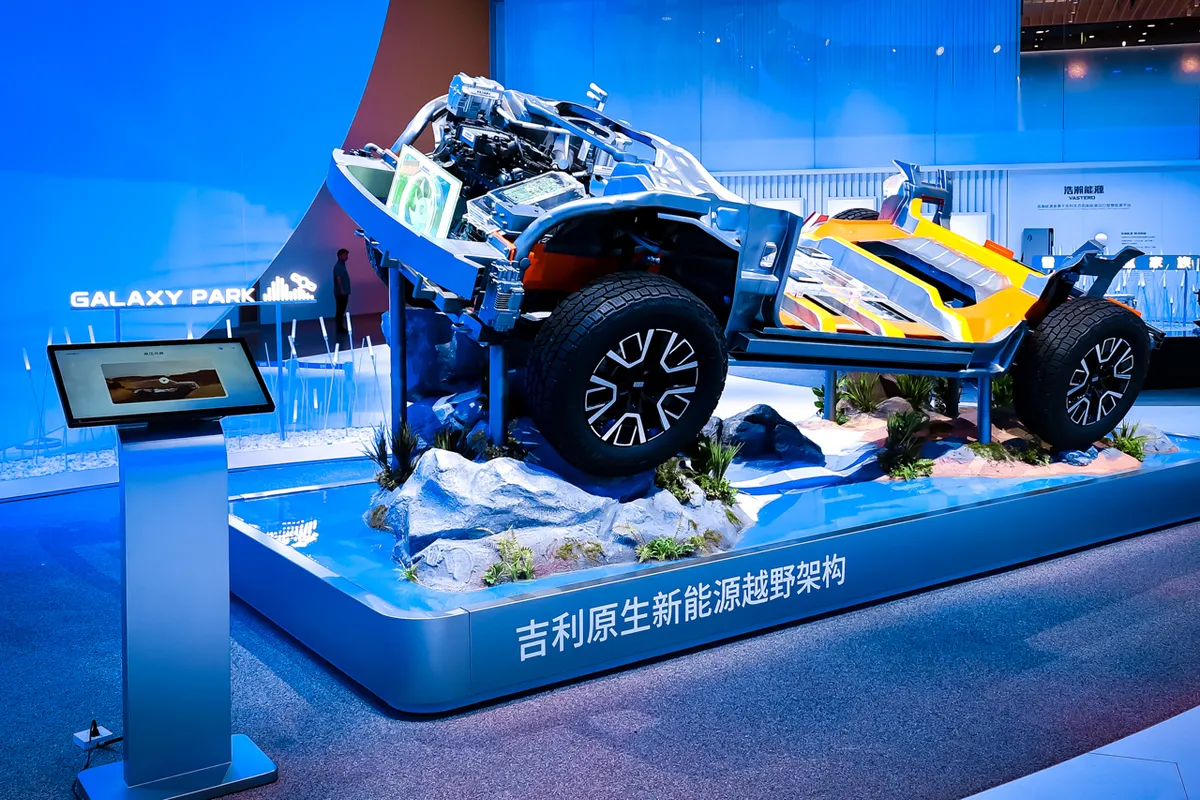
One of the biggest pain points for EV owners is charging time, often taking hours to top up. Geely addressed head-on with the introduction of its full-stack 900V hybrid architecture, which claims to charge from 20% to 80% in just nine minutes.
Beyond speed, it also pushes the limits of electrified driving, with plug-in hybrids capable of up to 380 kilometers on battery power alone.
e-Methanol
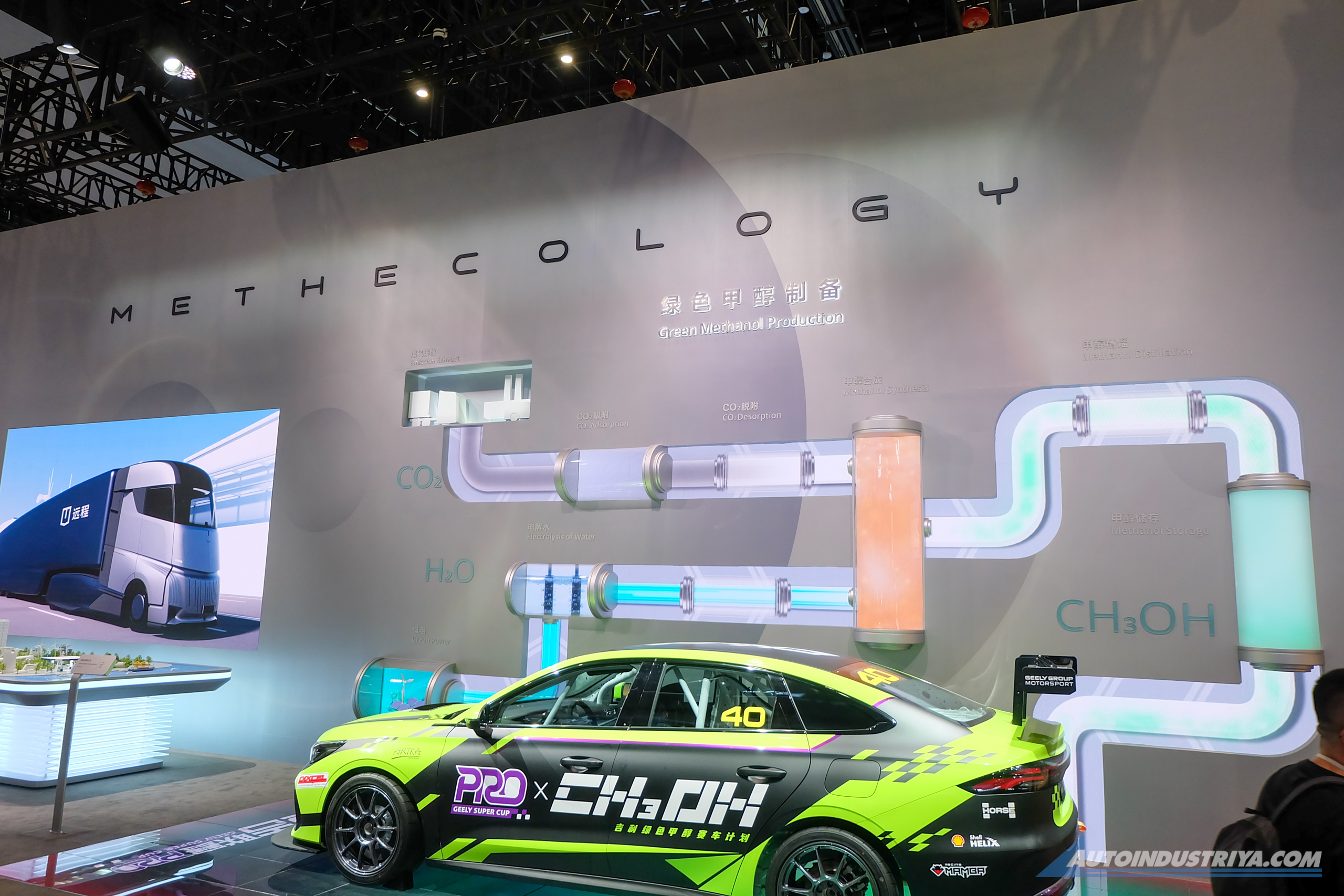
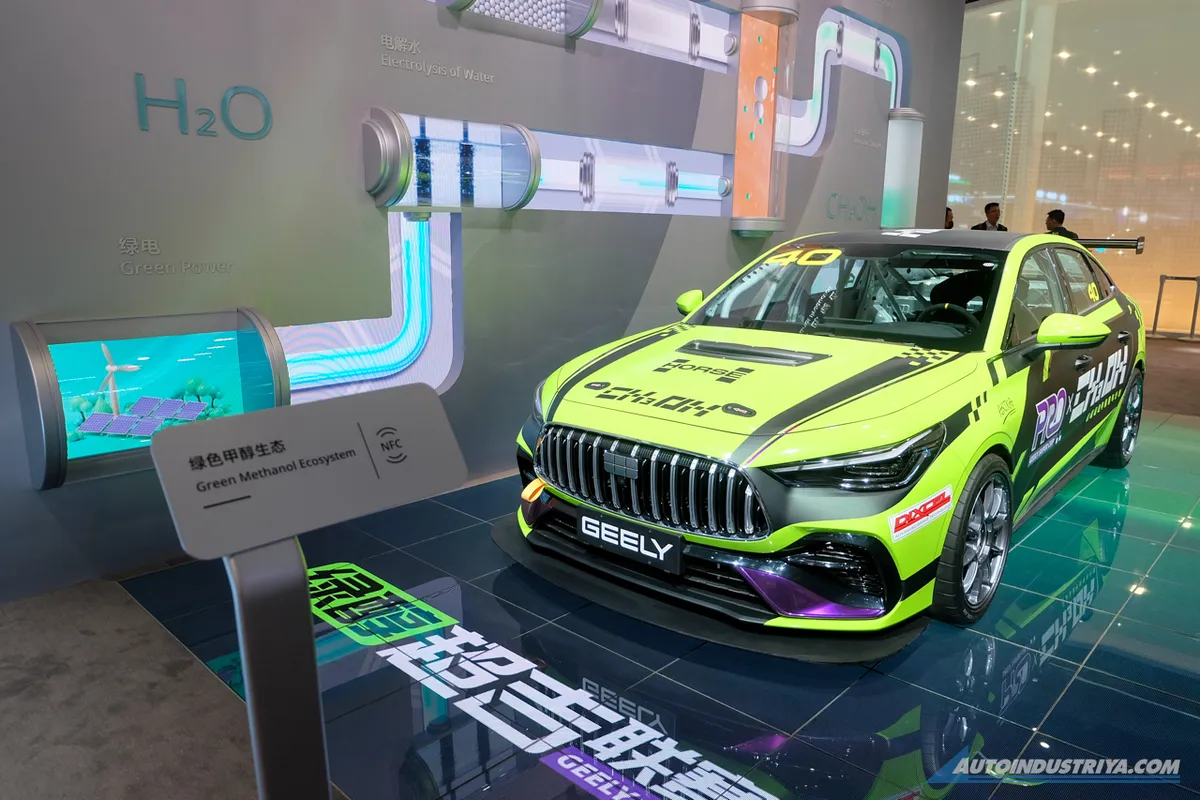
While many automakers double down on battery power and others push hydrogen, Geely has invested in methanol. It’s not starting from scratch either, as the technology is already in use and now being refined further.
Geely’s approach converts captured CO2 from factories into methanol through catalytic hydrogenation, where carbon dioxide reacts with hydrogen produced using renewable energy to create methanol and water.
The company says its e-methanol facilities can produce more than 110,000 tons annually, already supporting over 50,000 vehicles ranging from taxis and heavy-duty trucks to a race car built specifically to run on this fuel.
Full-Domain AI 2.0
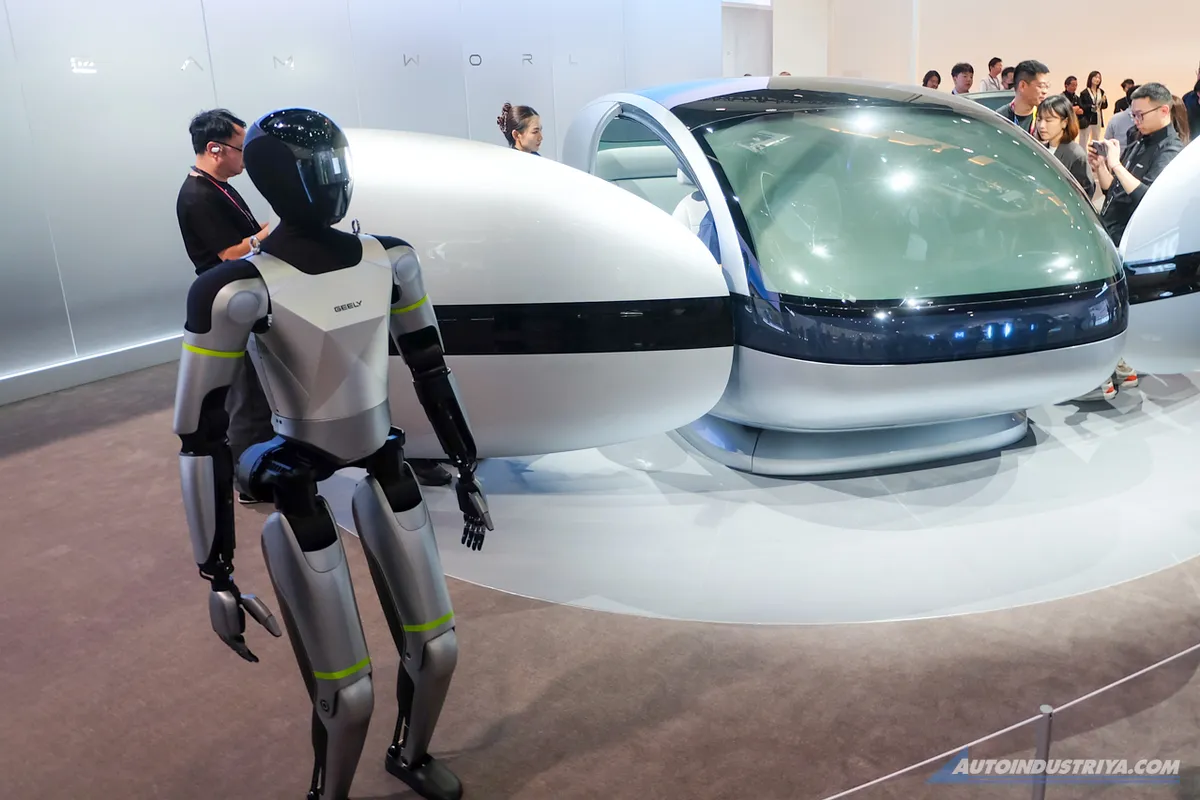
As mentioned before, Geely Auto Group is accelerating its shift into an AI-driven mobility company, building on early investments in large-scale models that began in 2021, with the launch of its Xingrui AI Large Model and the Smart Geely 2025 strategy.
Over the past 5 years, Geely has developed a full-stack AI ecosystem supported by the Xingrui Intelligent Computing Center, which is a cloud-data-AI facility established in 2022 that now delivers 23.5 EFLOPS of computing power, the highest among Chinese automakers. In 2025, Geely introduced its Full-Domain AI system, integrating artificial intelligence across vehicle development, architecture, and performance while forming an open ecosystem with partners such as StepFun, Geespace, and Xingji Meizu.
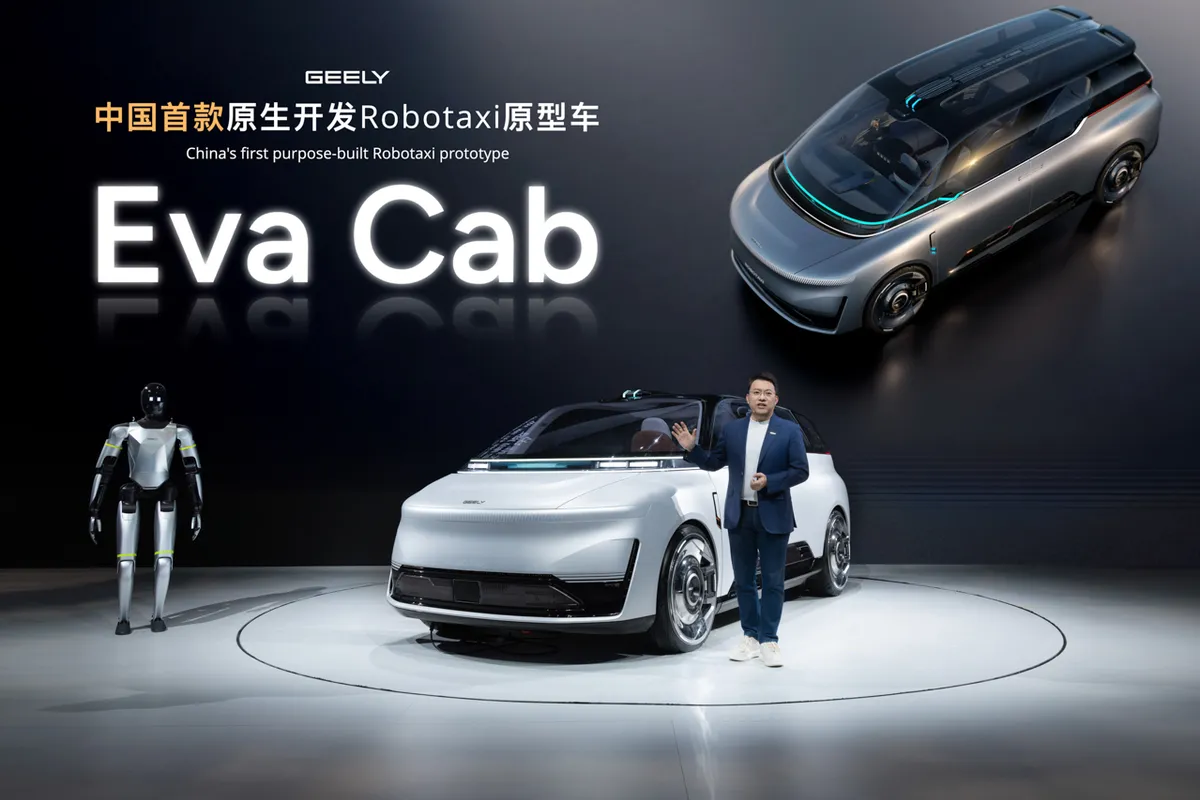
The company has since expanded AI into safety and real-world applications, rolling out its Comprehensive Safety 2.0 framework and opening what it claims is the world’s largest automotive safety testing facility. At CES 2026, Geely unveiled its World Behavior Model, a system designed to enable seamless cross-domain intelligence within vehicles through a 1+2+N architecture.
This platform powers next-generation features such as integrated cockpit and assisted driving systems, allowing vehicles to interpret commands and respond in real time. With developments like the evolving EVA Cab, Geely is positioning itself as the “Global Leader in Intelligent and Safe Mobility.”
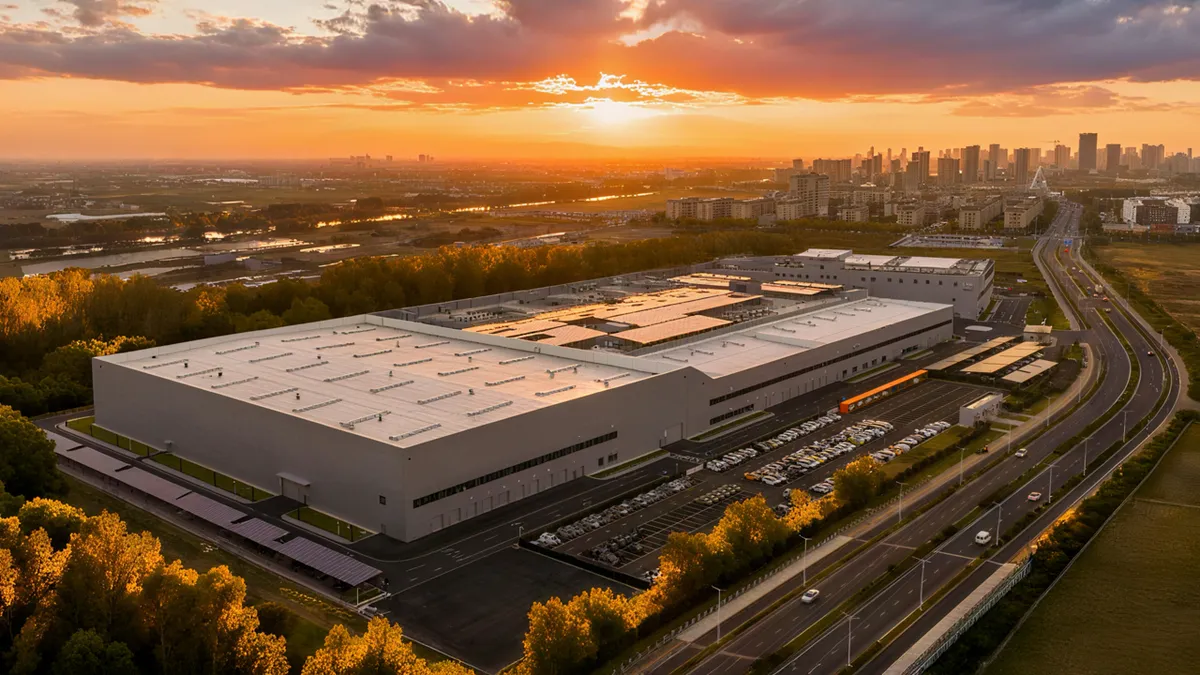
Geely Safety Center: Largest in the world
High-tech means nothing without safety to back it up. For Geely Auto Group, that principle comes first, backed by an investment of over CNY 2 billion or roughly PHP 18 billion, in its Geely Safety Center in Ningbo (about an hour from Hangzhou). To put that into perspective, that’s about half the total cost of the Metro Manila Skyway Stage 3 Project.
Billed as the largest facility of its kind globally, the center spans a 4.5-hectare site with a total floor area of 81,930 square meters. It houses the world’s largest climate-controlled vehicle wind tunnel, capable of simulating conditions from Arctic cold to Sahara-level heat.
The complex also features a nearly 300-meter indoor crash test track and can carry out 27 different types of safety tests, including EV battery safety and autonomous systems. That is the highest number of safety tests conducted in a single facility.
8 photos
Related Posts
Pure Perfection: Wekfest Japan 2026 Celebrates the Art of the Clean Build
Amidst the Golden Week rush, Port Messe Nagoya transformed into a cathedral of automotive excellence for Wekfest Japan 2026
MIAS 2026: Top Five Picks from the Manila Int’l Auto Show
From PHEVs to HEVs and BEVs, MIAS 2026 highlighted the New Energy shift
Barely Legal Speed: The Ariel Atom 4RR and its insane power-to-weight ratio
Built to celebrate 25 years of the Atom, the 4RR is the quickest and most powerful production Atom in the model’s history.
MIAS 2026: A shopper's delight for parts, accessories, and tools
The aftermarket section at MIAS showcases options for car enthusiasts to personalize, enhance, and maintain their vehicles
MIAS 2026: What we saw at the Classic and Custom Car Competition
We take a look at some of the entries at this year's MIAS Classic and Custom Car Competition
Six things to plan ahead for 2026 Manila International Auto Show
Heading to the 2026 Manila International Auto Show? Here are some tips to make sure you maximize the experience at World Trade Center