
History in Metal: An Afternoon at the Toyota Automobile Museum
History in Metal: An Afternoon at the Toyota Automobile Museum
A storied pilgrimage to the Toyota Automobile Museum in Nagakute, exploring why this world-class collection spanning from the legendary 2000GT to global automotive icons is an essential destination for every true car enthusiast.

It was a rather easy, uneventful Monday with no definite plans, but the Toyota Automobile Museum was open on a holiday, unlike its usual Monday closure. I decided to jump on the opportunity and headed to Nagakute.
Since it was a solo trip, a train ride was most efficient; a 30-minute subway ride to Fujigaoka Station and another quick ride on the Linimo to Geidai-dori Station, which is literally just across the street from the museum complex.
Nagakute is a small city just outside Nagoya, home to the World Expo 2005, Ghibli Park, the Meito Art Museum, and the Toyota Automobile Museum.
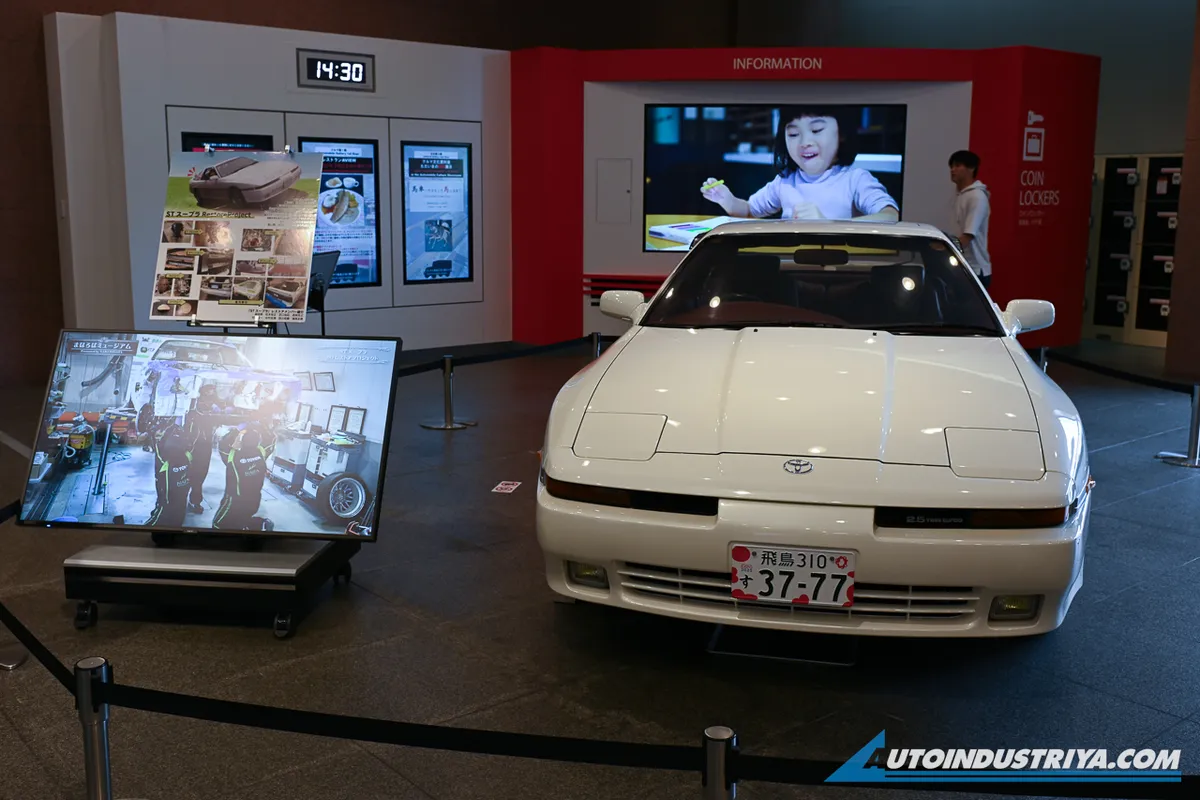
As you walk into the lobby, you are greeted by a restored Toyota Supra on the right, with an “ST” designation (not Supra Turbo). This particular A70 Supra is owned by Japan’s first female Prime Minister, Sanae Takaichi, a 1991 Supra 2.5GT Twin-Turbo Limited.
3 photos
This was apparently her second Toyota sports car, the first one being a Celica XX that she replaced with this. We think she has good taste in cars.
The Genesis
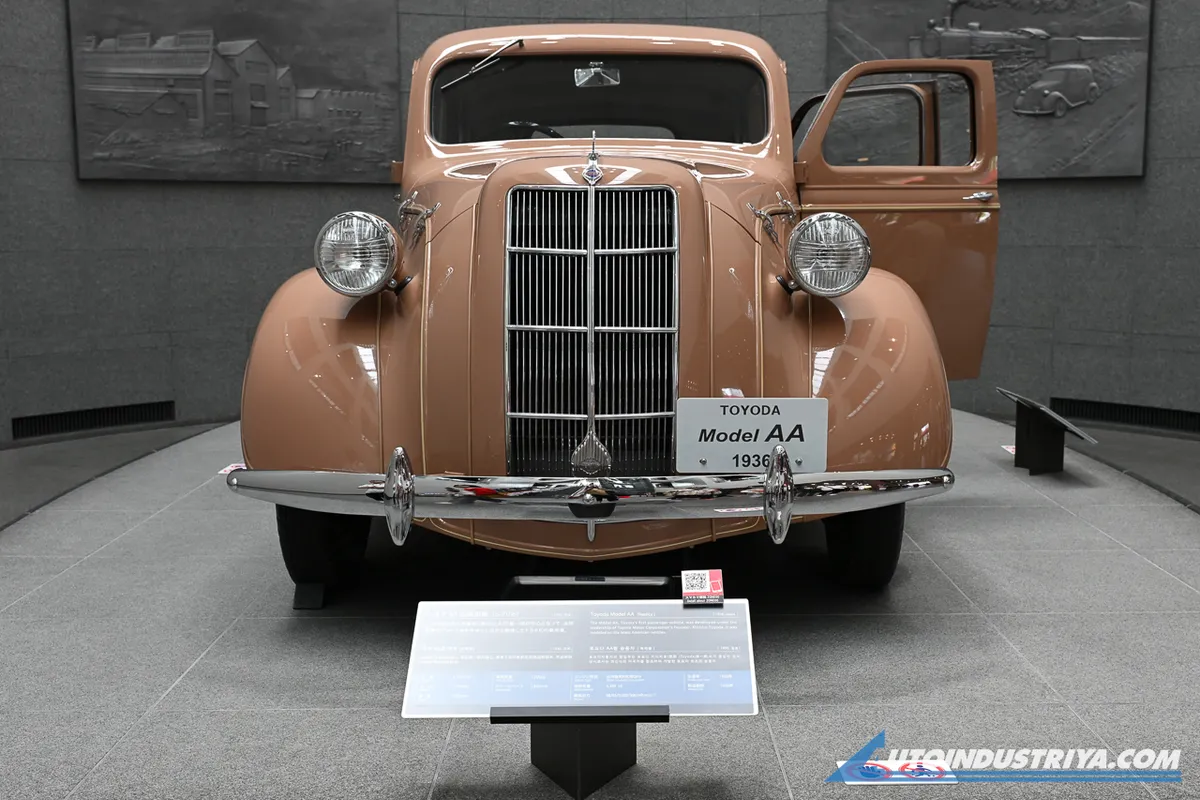
As you enter the museum "gate", you are welcomed by this - the Toyoda Model AA (an official replica). The first passenger car was produced by the automobile department of Toyoda Automatic Loom Works under the leadership of Kiichiro Toyoda in 1936. Despite the family's success in the textile industry, Kiichiro's vision to diversify the business into automobiles saw Japan's next industrial revolution. This would be the significant foundation of what Toyota Motor Corporation is today.
Despite the name, the Toyota Automobile Museum isn’t just about Toyota vehicles. It is a curated nod to the evolution of the automobile as a whole.
Global Evolution
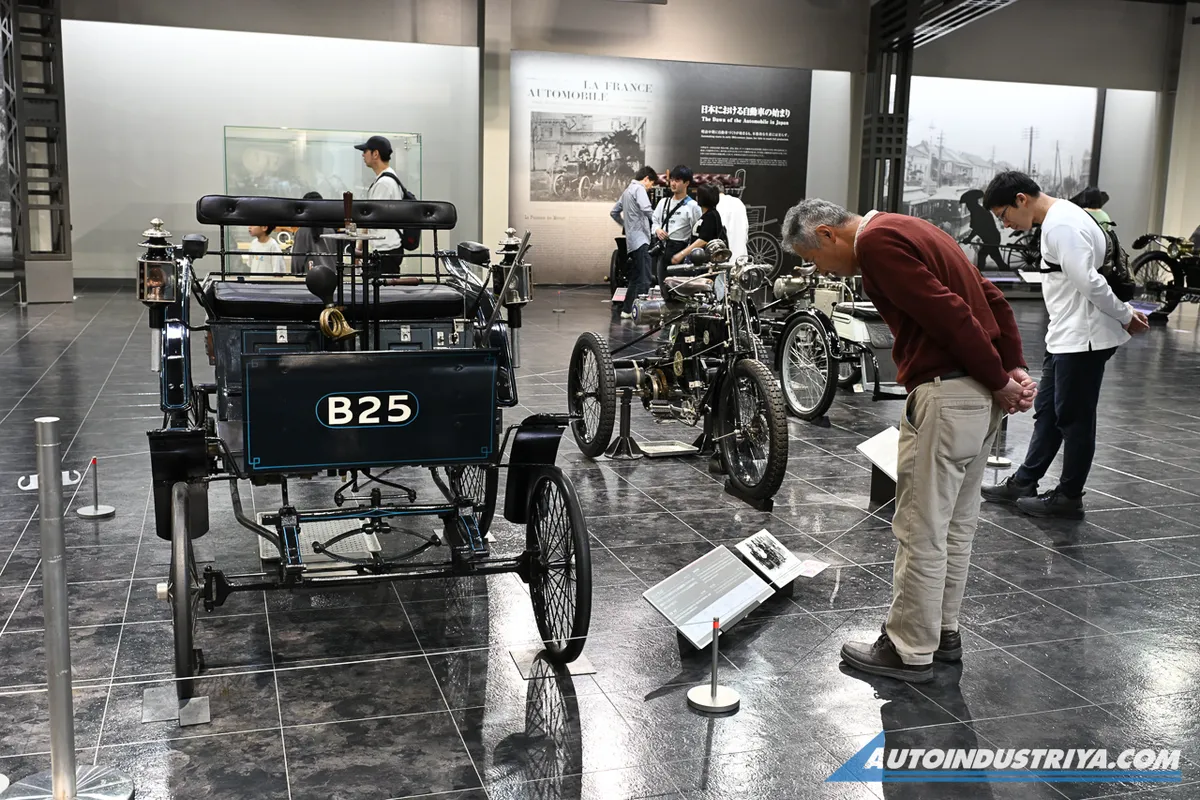
As you go up the second floor, you might be expecting to see vintage Toyotas. Instead, you are greeted by vintage foreign models from the early 1900s from Europe and the US. It was nice to see the progressions from the dawn of the automobile to the birth of Japanese cars.
You are also given a preview of the photographer-friendly displays that are clutter-free and well-lit. You could take as many photos and videos as you wish, for as long as you do not bother other visitors.
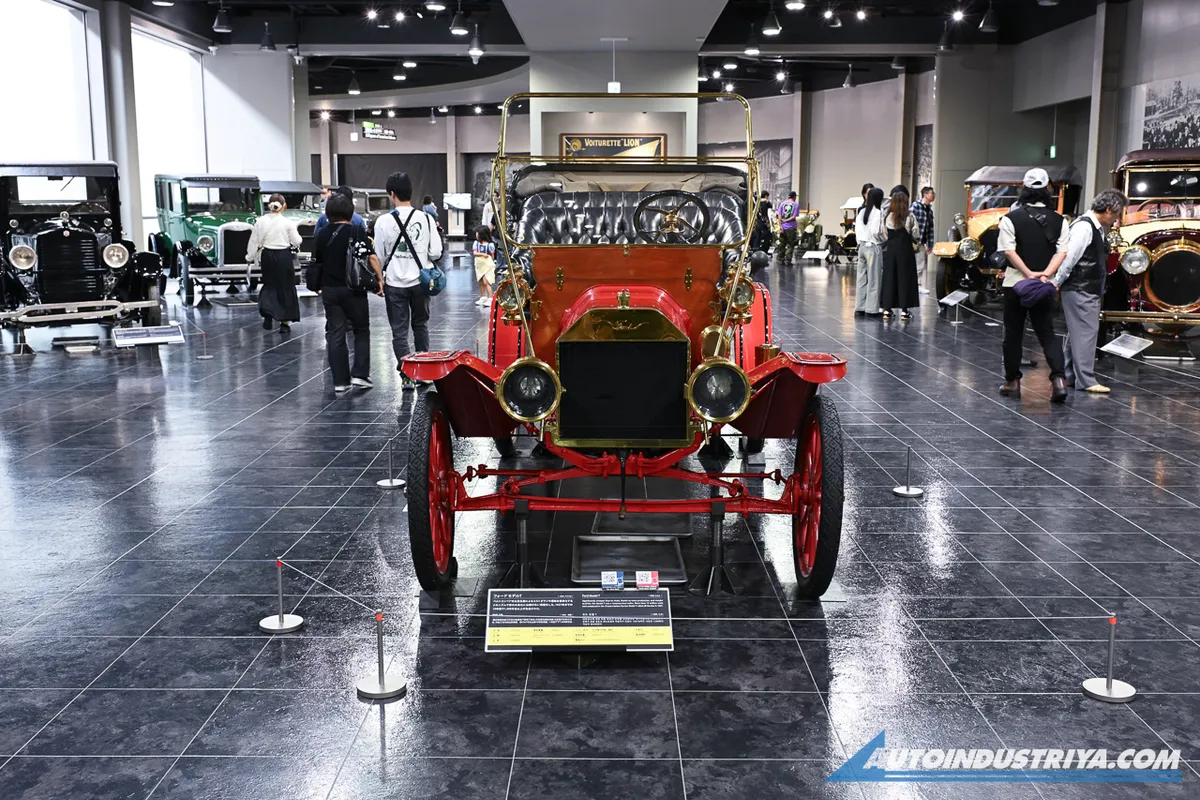
The Ford Model T Touring, in its bright red hue, is one of the highlight cars that made the automobile more attainable for all in both the US and the world after it was launched in 1908.
Clearly, Toyoda did his homework and studied the West to build the East. Toyoda's first car was inspired by the De Soto Airflow by Chrysler, and the 3.4-liter inline-6 OHV engine was modeled after Chevrolet's.
13 photos
It was interesting how car designs evolved from simple carriage-derived designs into more complex machines. By the turn of the decade, the automotive industry saw more luxurious and performance-oriented models, which inherited technology from airplanes.
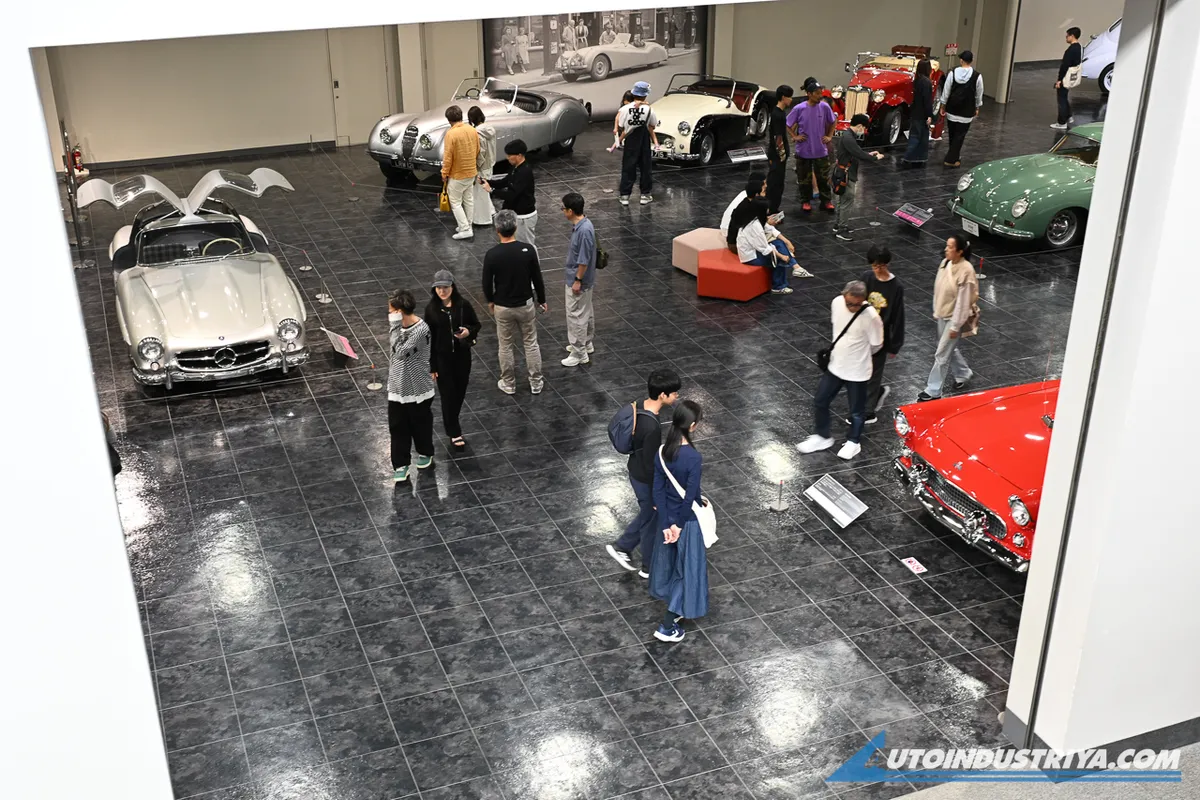
Car designs became even more streamlined with advances in manufacturing and aerodynamics. Eventually, cars reflected the unique characteristics of their home countries, giving rise to car culture.
3 photos
There were also interesting Toyota models like the 1955 Toyopet Crown, 1957 Land Cruiser FJ25L (second-generation LC or 20 series), and 1966 Corolla KE10 (first-generation Corolla) on display.
28 photos
The gallery above shows the further evolution of cars from post-war through the '60s and '70s into the familiar shapes of cars we grew up with and those that we see on the road today.
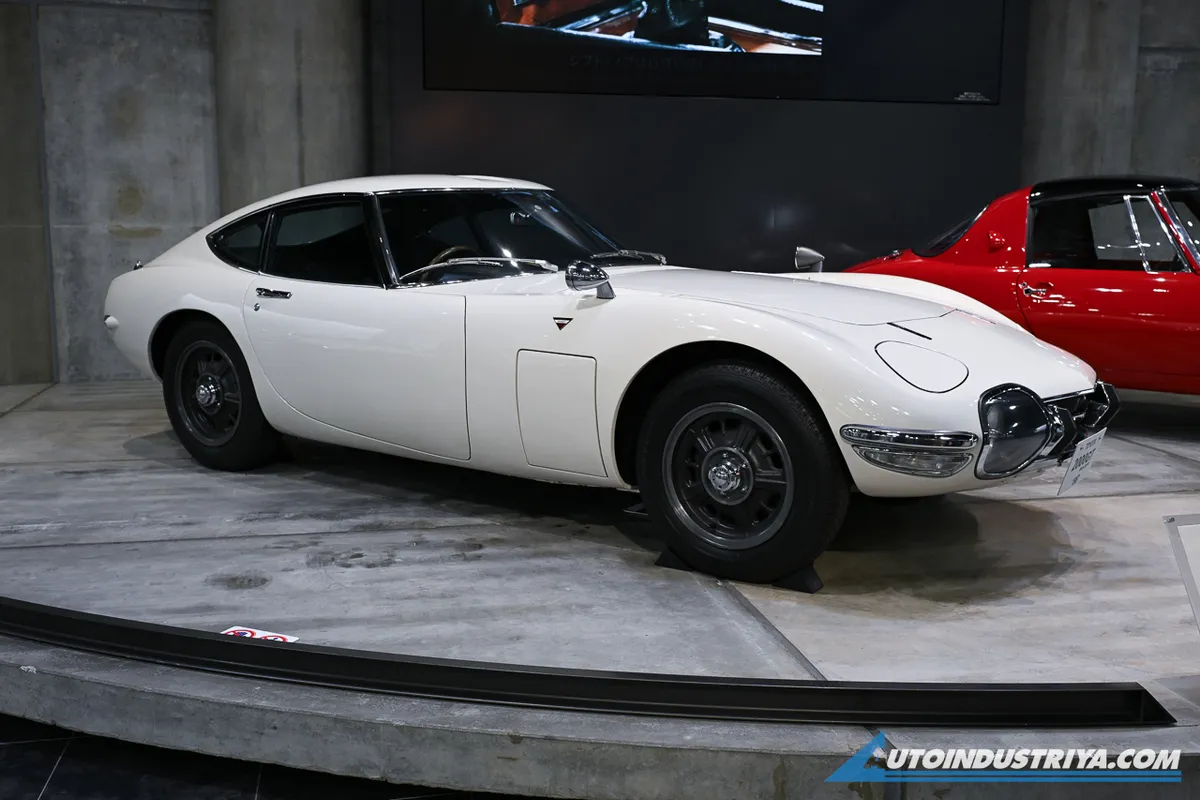
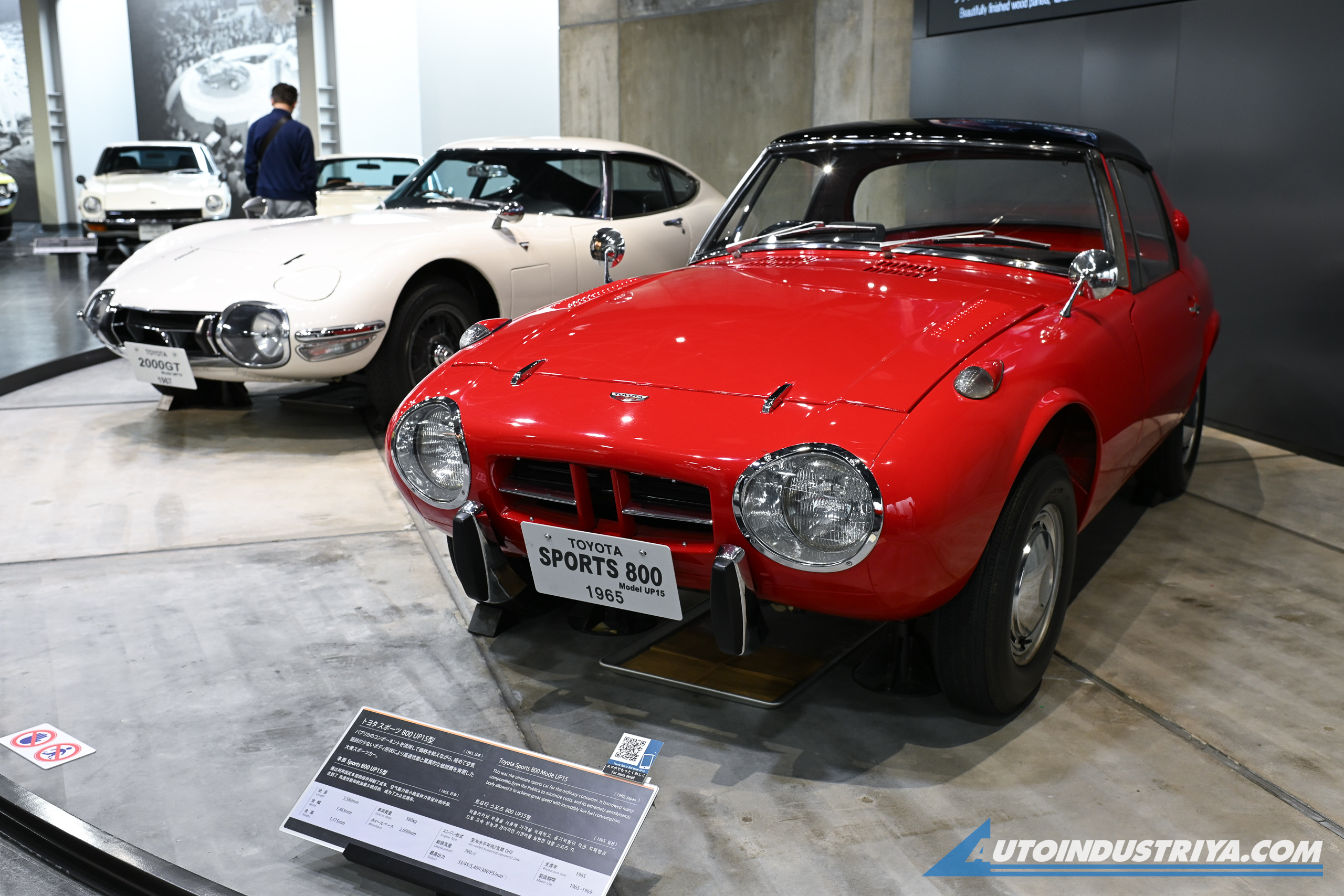
So as not to overwhelm, another gallery below shows more of these iconic cars, including the 2000GT, the most valuable Japanese car.
15 photos
In the eighties, car designs became boxier, as exemplified by the cars below.
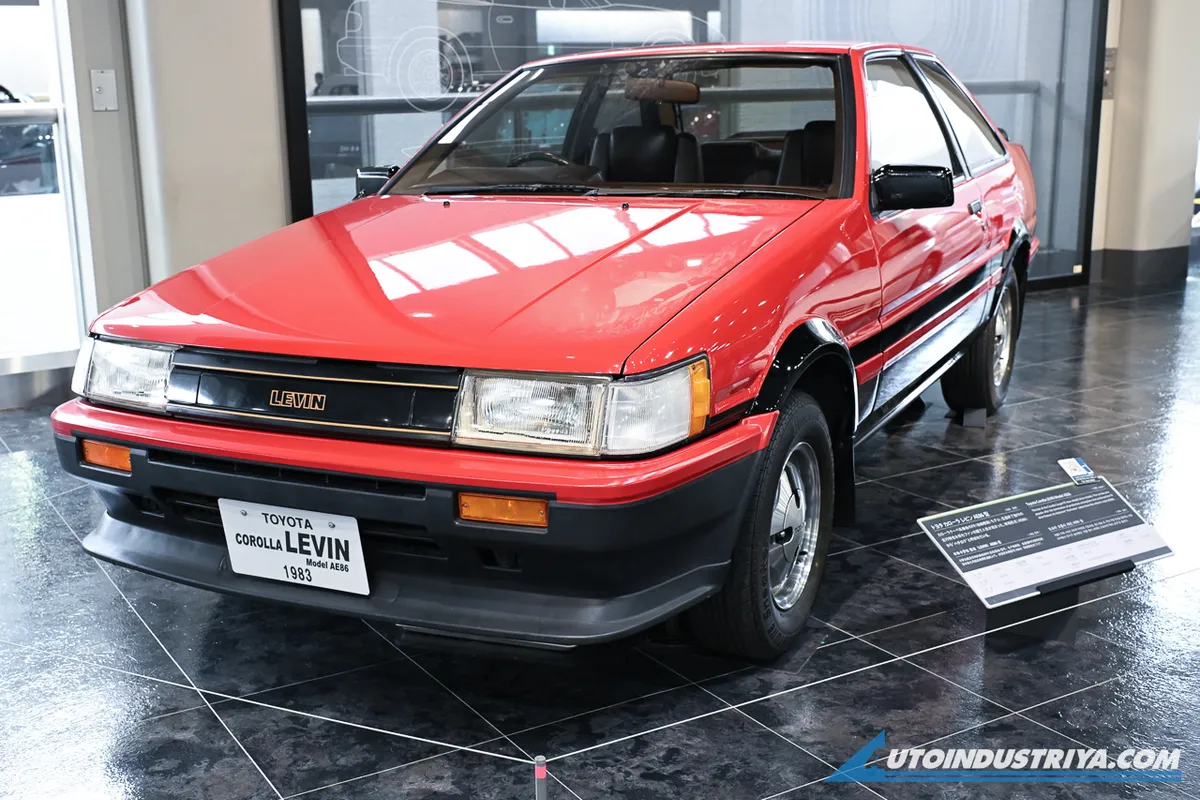
The Toyota Corolla Levin GT APEX, more commonly known as the "AE86," is perhaps one of the more iconic Toyota models for enthusiasts. The car became famous due to its rear-wheel-drive configuration and 4A-GE engine, which was popular among tuners. The chassis also gained much fandom, with it being heavily featured in the manga and anime hit Initial D.
8 photos
The 90s were an interesting mix. Some cars were a bit boxy, but many have adapted to more sculpted and sexier lines.
3 photos
It was definitely a nice feeling to see JDM icons and the golden era of cars. Some of these models were reminiscent of my early years as a car enthusiast, and a lot of them are still relevant to this day.
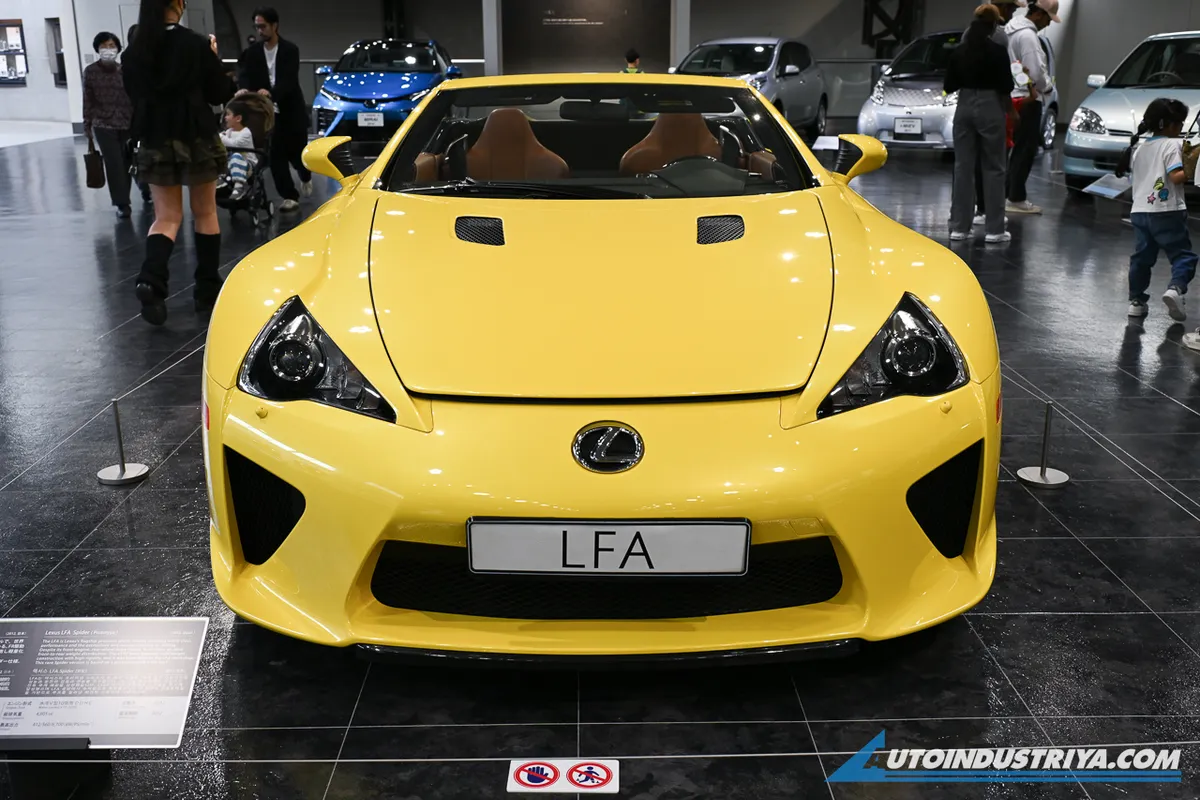
From the Model AA to this - the Lexus LFA, which made its global debut in 2009 at the Tokyo Motor Show. Limited to 500 examples only, the limited LFA would represent the pinnacle of Japanese performance and craftsmanship. A few examples have made their way to the Philippines along with the "rarer" Nurburgring Edition.
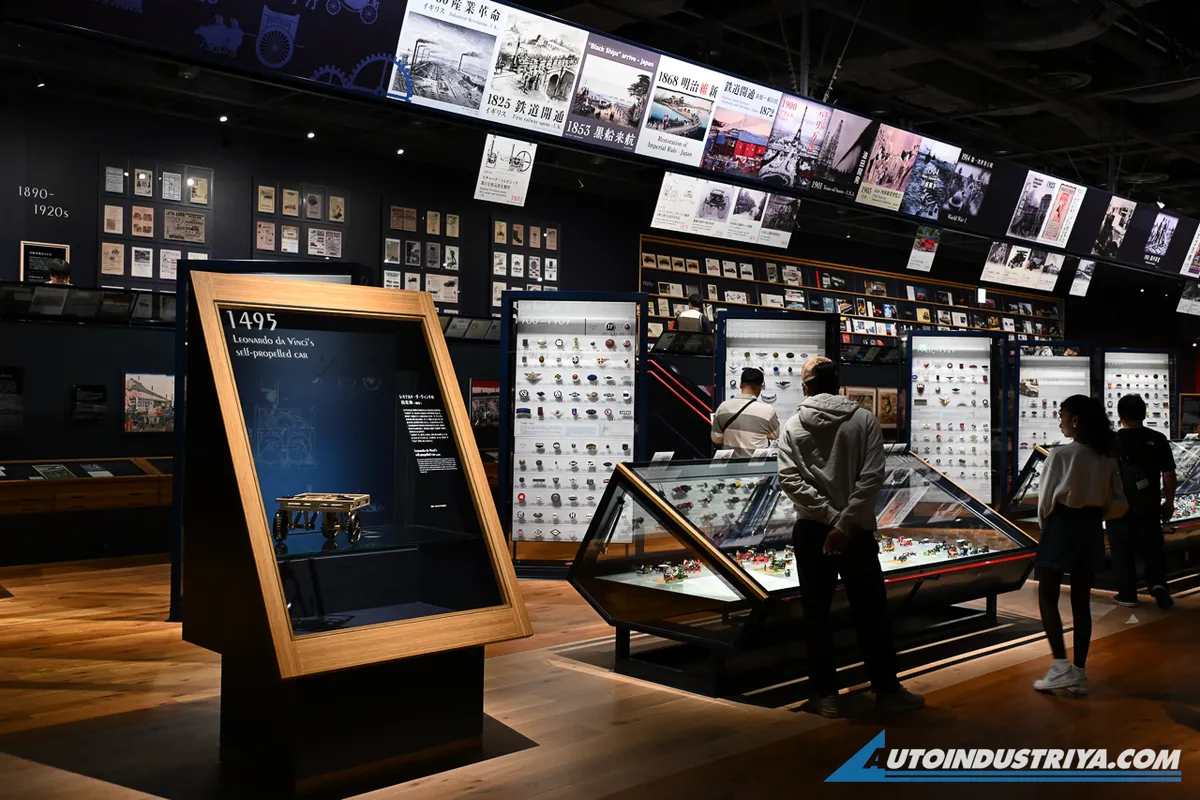
Apart from the main museum building, there is also the Technical and Cultural Annex connected via a bridgeway, where you can find the Automobile Culture Showroom with a permanent display of auto artifacts from across the globe, where you can totally geek out.
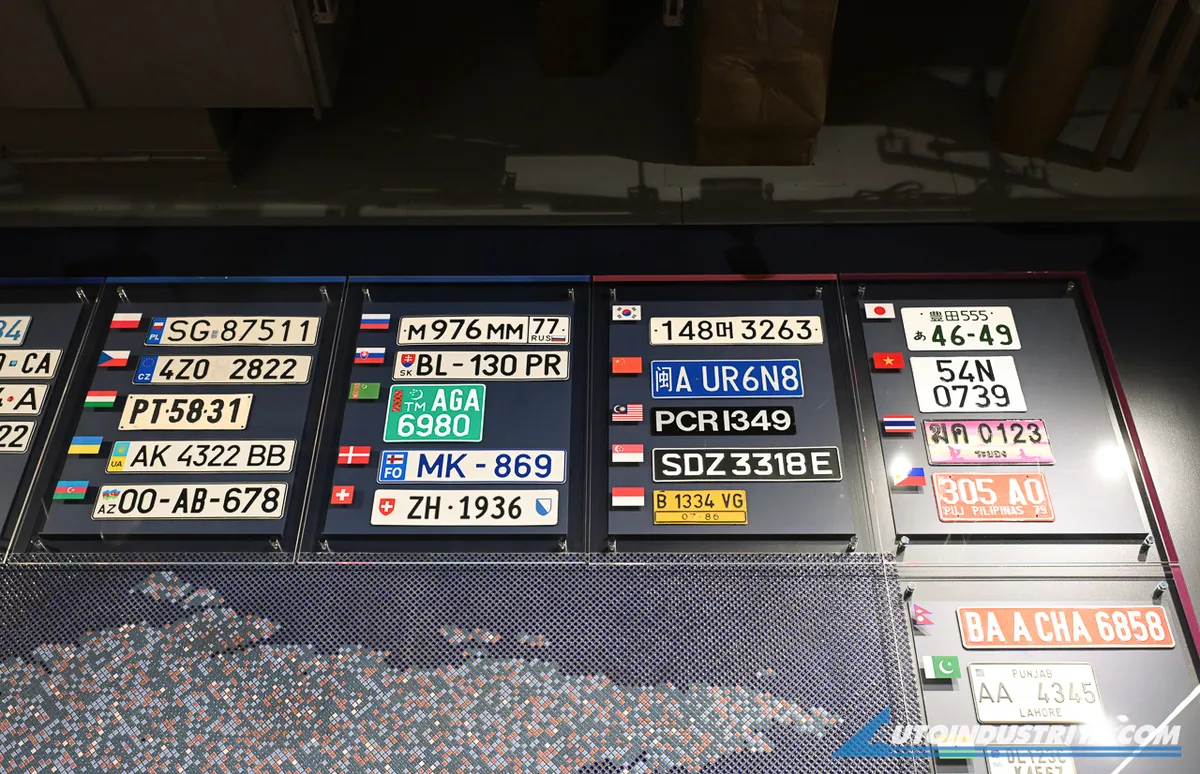
We even saw a vintage license plate from a Philippine jeepney on the license plates of the world wall.
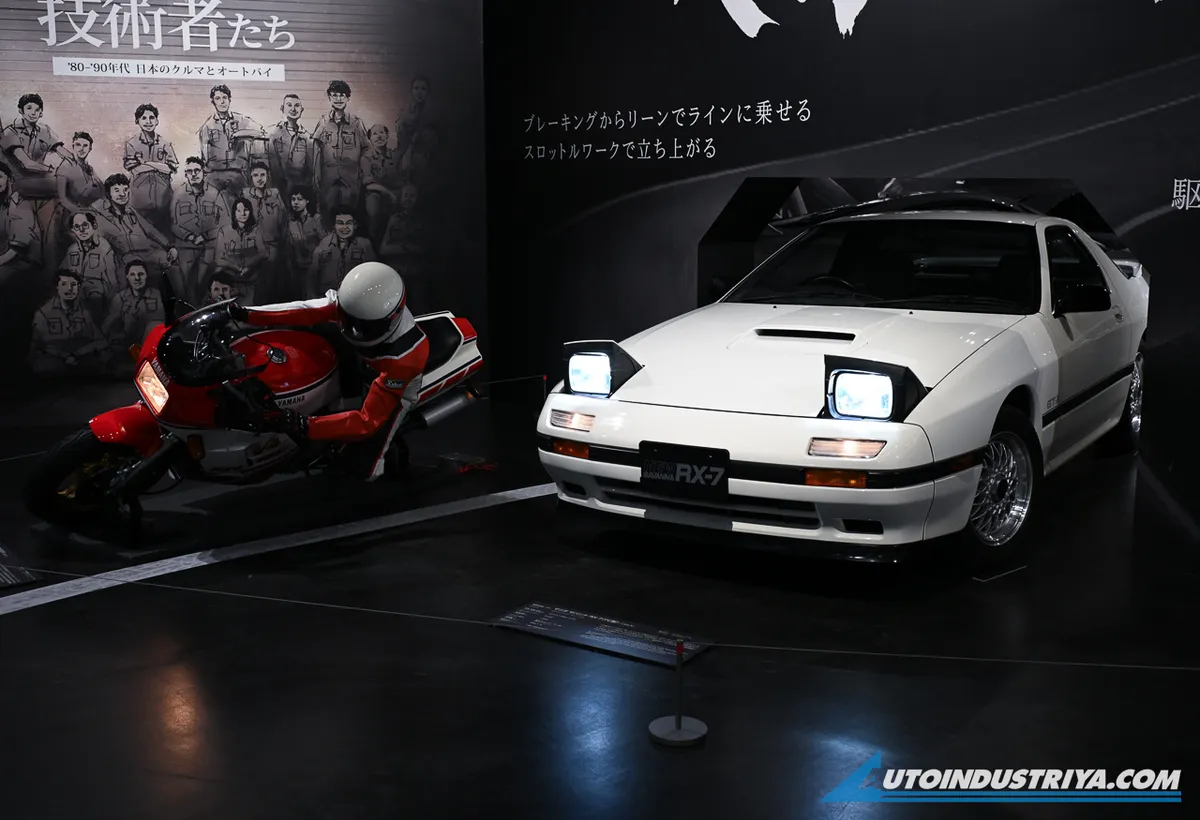
The Special exhibition room, which varies its displays to feature the different automotive subcultures with themed exhibits that vary from time to time. For this visit, we were treated to a display of Japanese Cars and Motorcycles of the 1980s-1990s entitled "Driven by Passion: Engineers Igniting a Generation". Arguably the coolest JDM machines up to this day.
The non-Toyota displays used were borrowed from the Nissan Heritage Collection, Honda Collection Hall, Mazda Museum, Subaru Visitor Center, Mitsubishi Auto Gallery, Yamaha Motor Communication Plaza, Suzuki Plaza, and Kawasaki Good Times World. These are eight new places to add to your "to visit" map for your future visits to Japan.
4 photos
The Toyota Automobile Museum was well worth the quick trip out to Nagakute, and I'm pretty sure the other attractions would make a worthwhile day trip, too.
13 photos
This car culture side trip was our little love note to cars. It's not about brand loyalty; it's about respecting the engineering and stories behind the wheels that drive our daily lives.
To fully enjoy the museum and all its facilities, set aside around 4 hours, and maybe enjoy a "Museum Curry" at the restaurant or have a sandwich and coffee at the museum cafe after you go through the memorabilia at the museum shop.
If you do find yourself on a trip to Nagoya, just go. You won't regret it.
-
Will they eventually include Chinese cars? That remains to be seen.
Related Posts
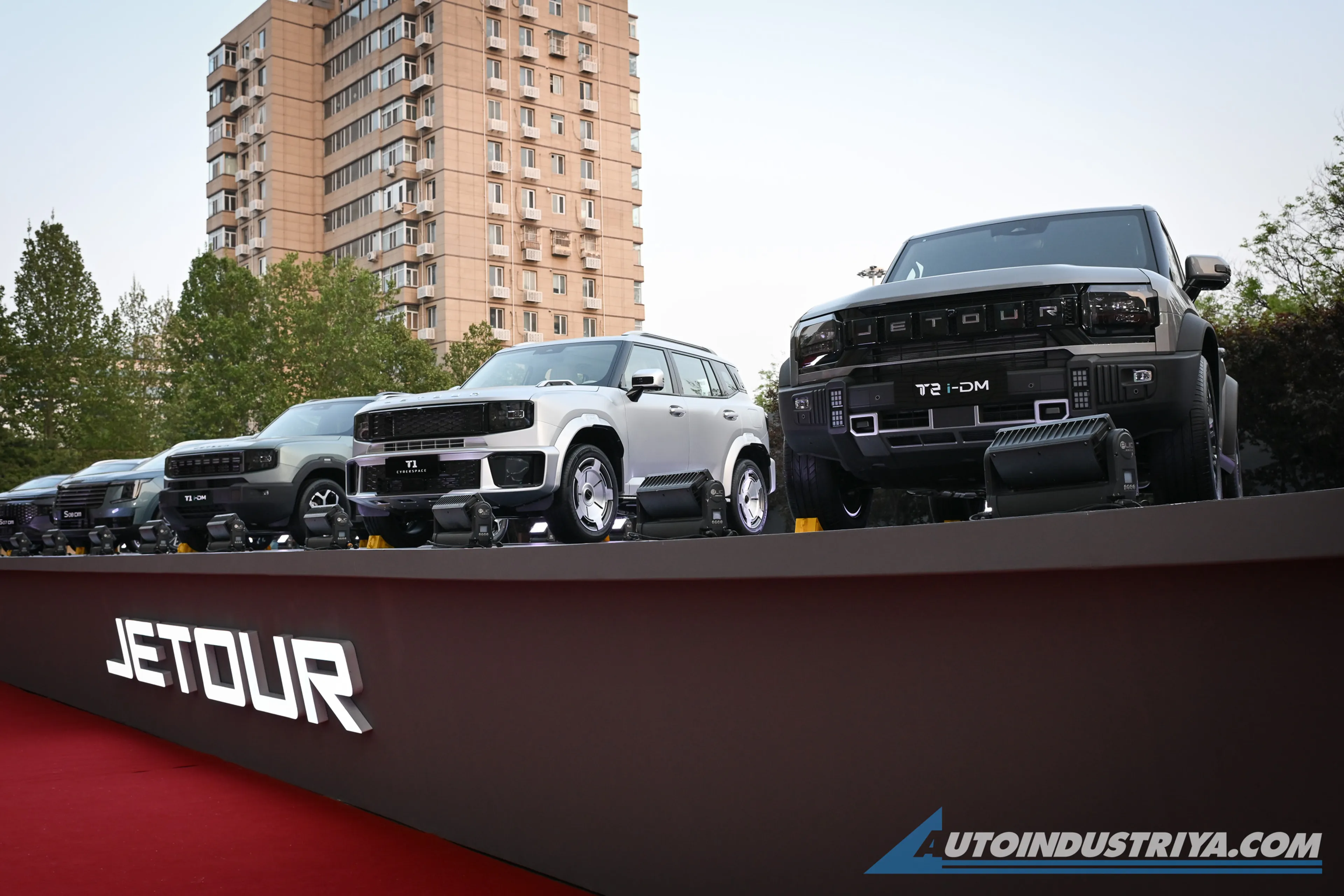
Beyond the Road: Jetour shares new "Travel+" global push
Jetour International is reinventing itself as a lifestyle brand that goes beyond the road with new “Travel +” push.
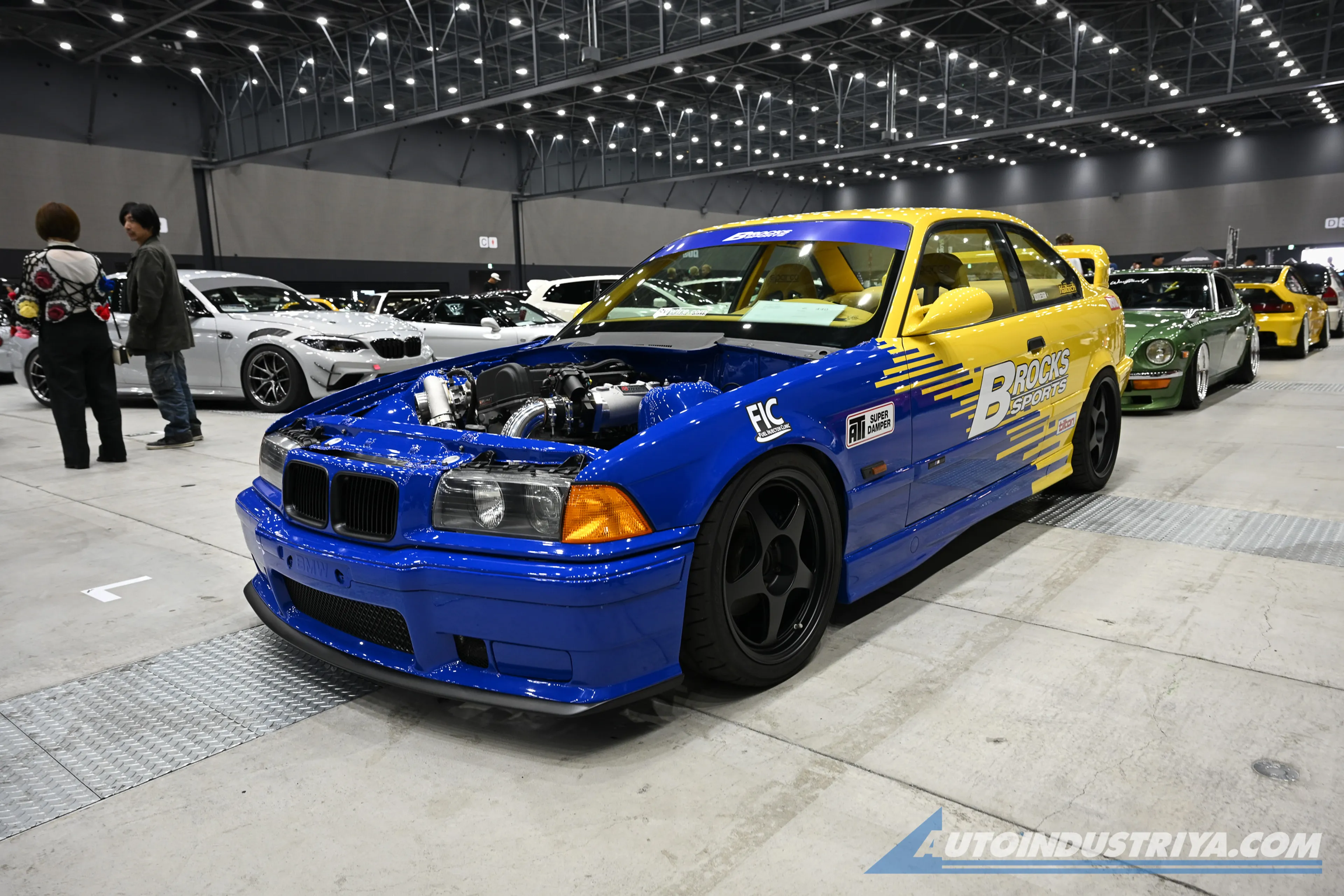
Pure Perfection: Wekfest Japan 2026 Celebrates the Art of the Clean Build
Amidst the Golden Week rush, Port Messe Nagoya transformed into a cathedral of automotive excellence for Wekfest Japan 2026
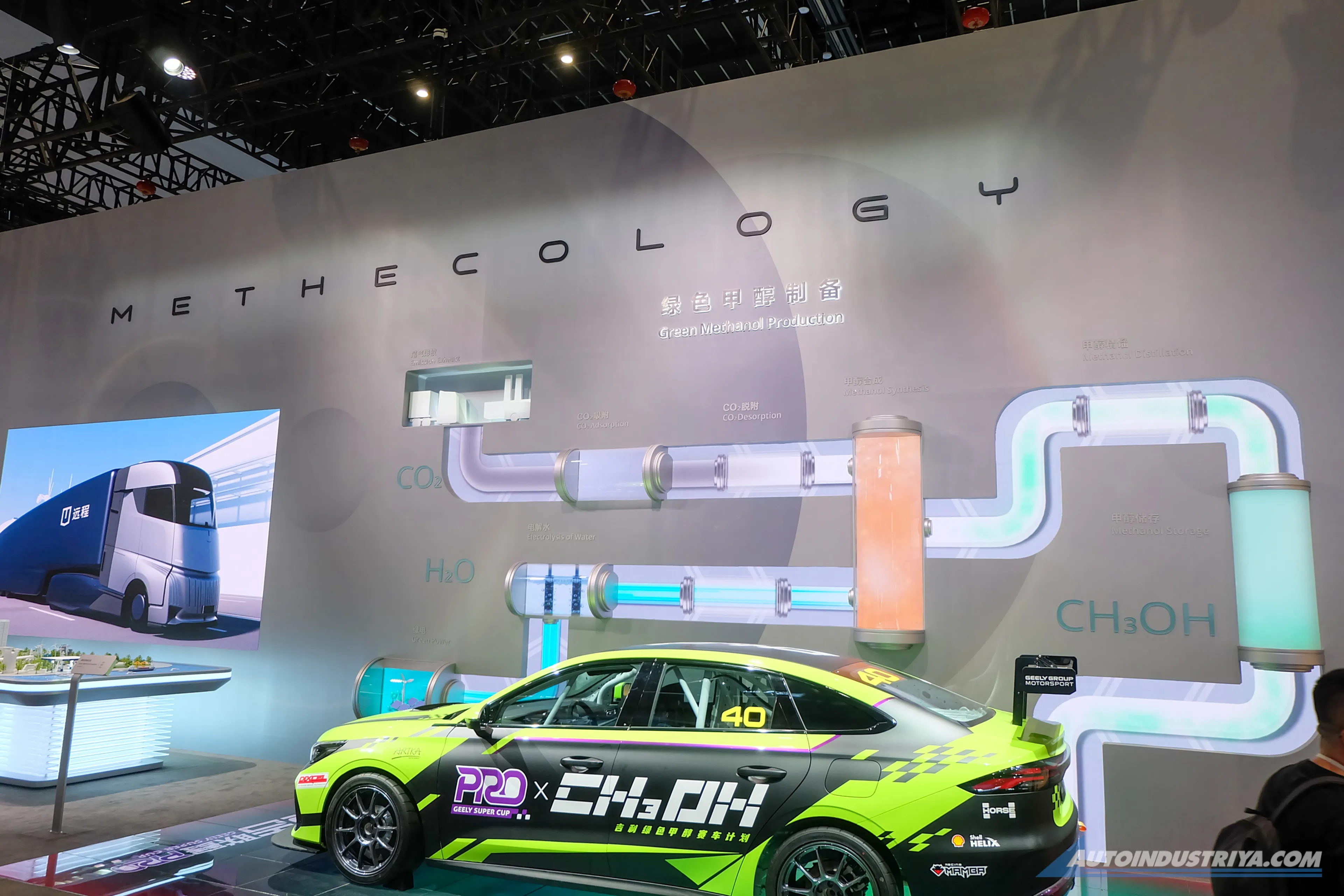
Geely Auto Group shows off Mobility Roadmap at 2026 Auto China
From e-methanol to AI-driven tech
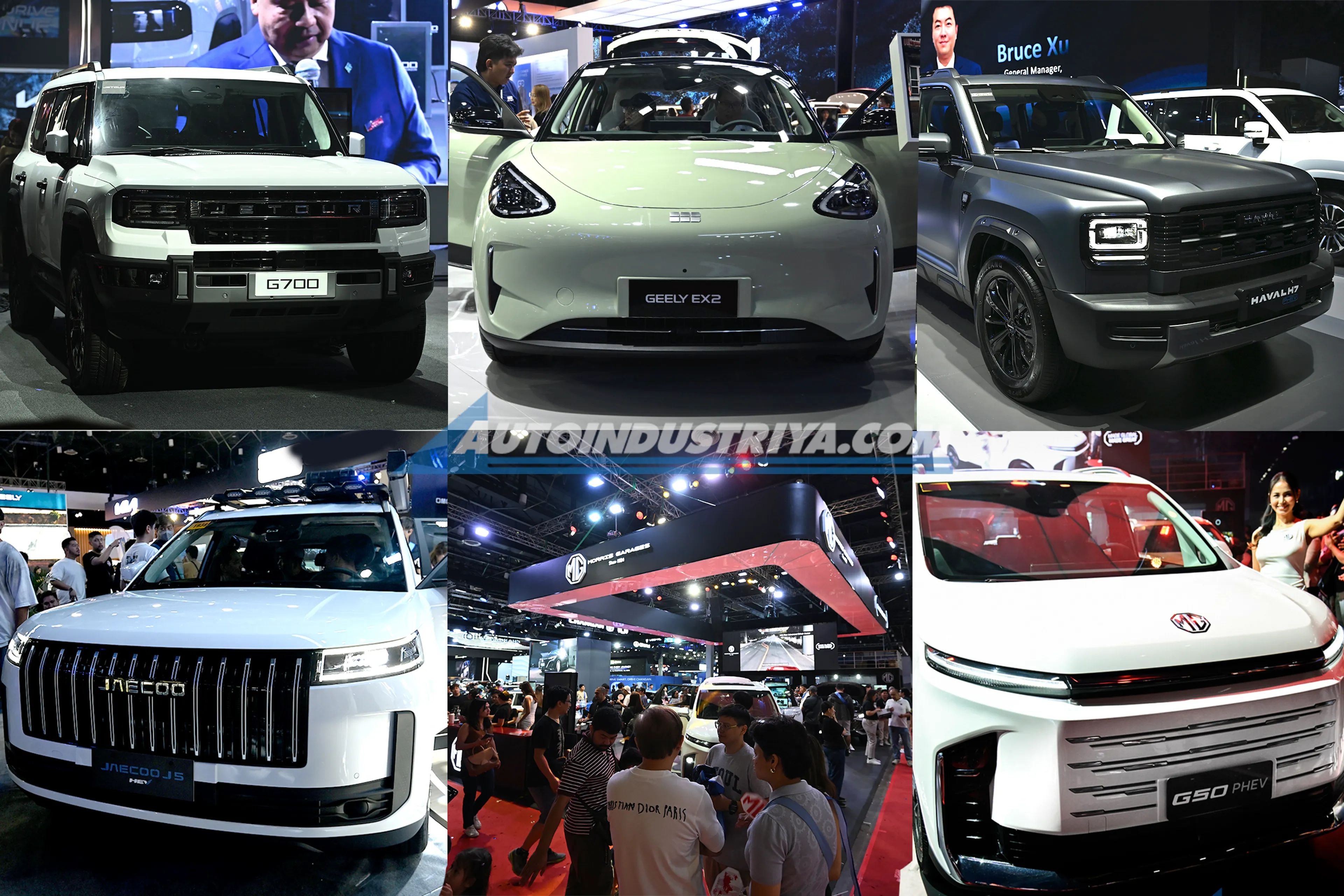
MIAS 2026: Top Five Picks from the Manila Int’l Auto Show
From PHEVs to HEVs and BEVs, MIAS 2026 highlighted the New Energy shift
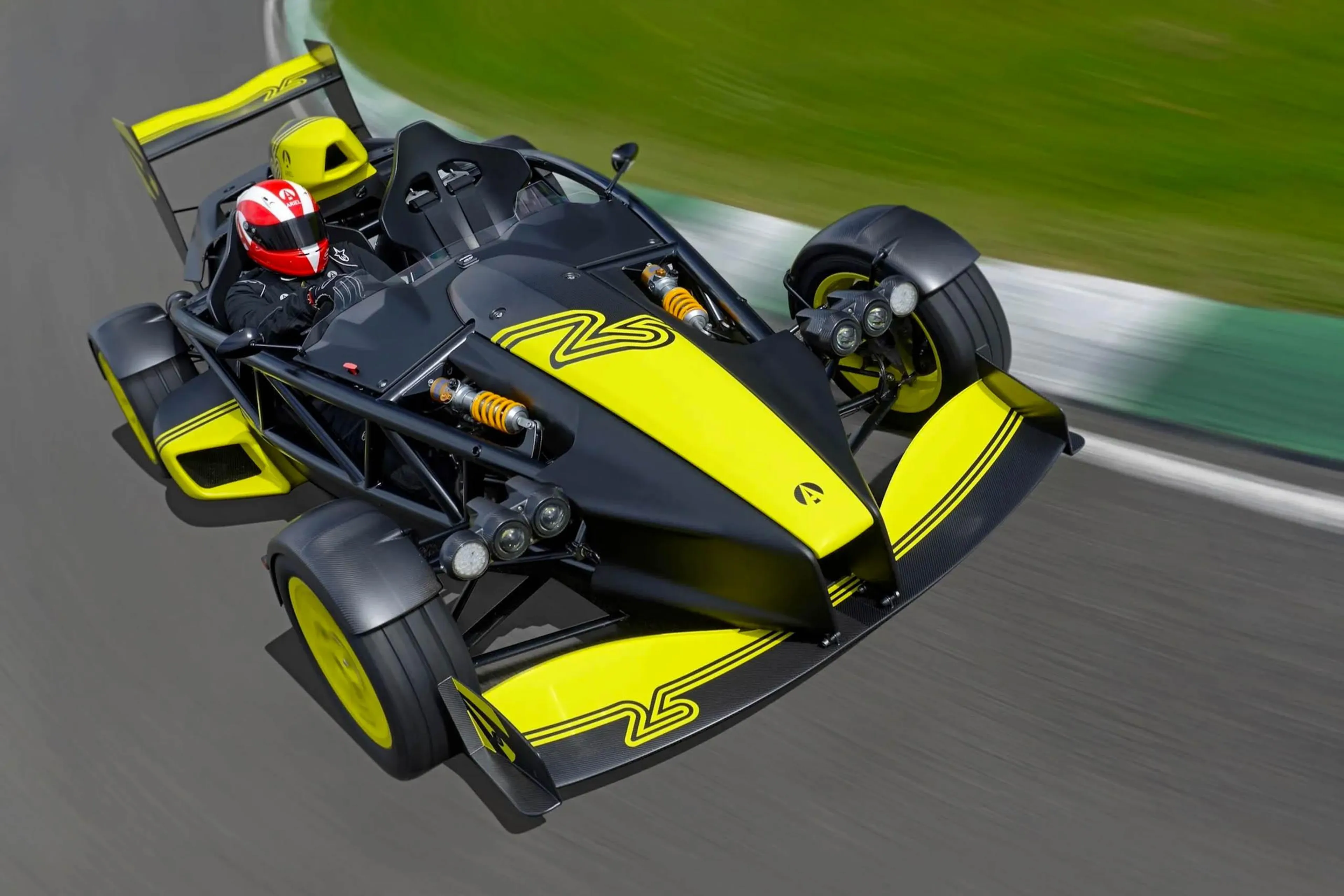
Barely Legal Speed: The Ariel Atom 4RR and its insane power-to-weight ratio
Built to celebrate 25 years of the Atom, the 4RR is the quickest and most powerful production Atom in the model’s history.
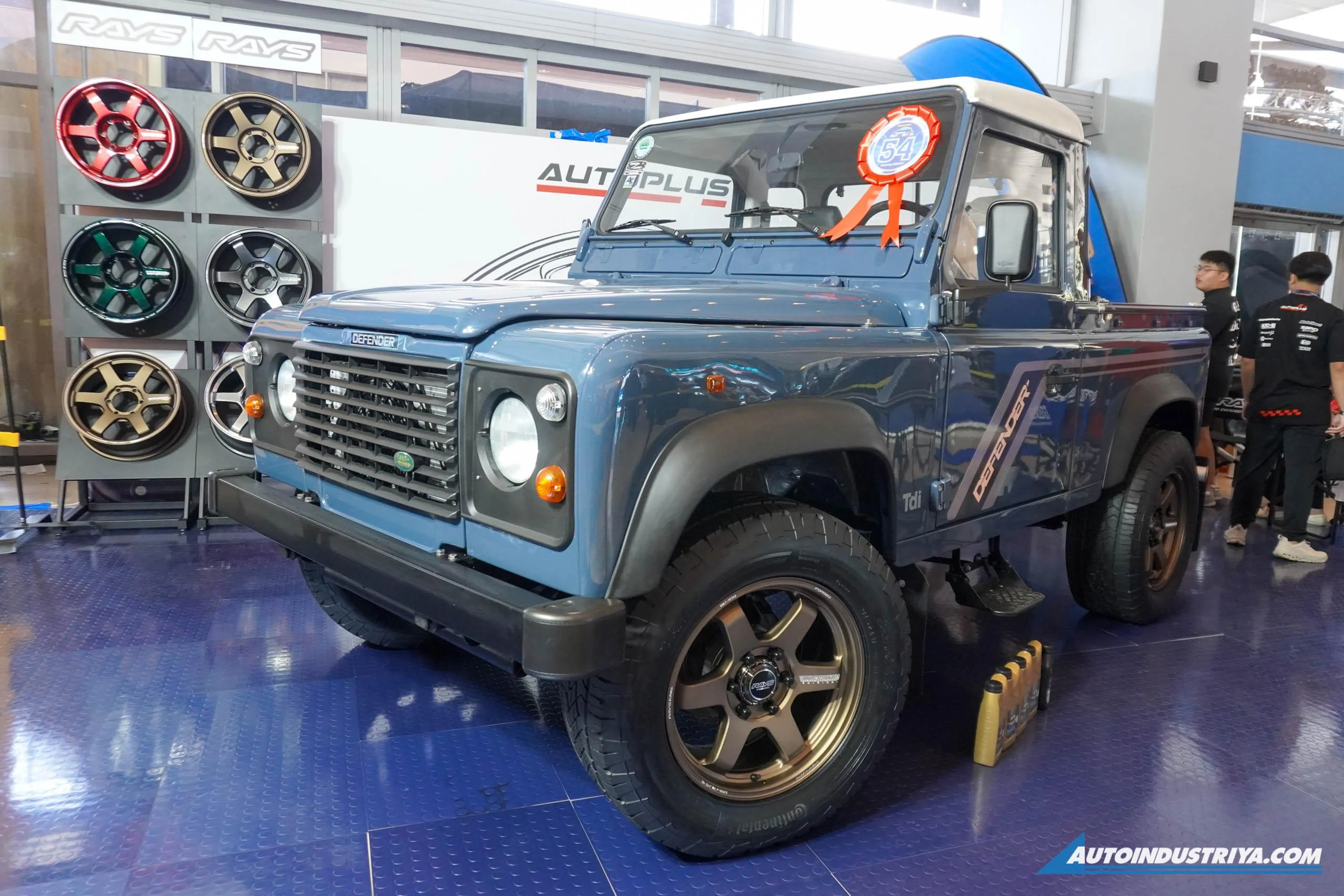
MIAS 2026: A shopper's delight for parts, accessories, and tools
The aftermarket section at MIAS showcases options for car enthusiasts to personalize, enhance, and maintain their vehicles