
2027 Kia Seltos Turbo and HEV First Drive: Is the second time the charm?
2027 Kia Seltos Turbo and HEV First Drive: Is the second time the charm?
We go back to Seoul to check out the second generation Seltos from Kia

A trip to Seoul is always bound to be interesting. There are so many sights to see, so many interesting people to meet, so much awesome food to try, and so much neat stuff to buy, or should I say pasabuy from Olive Young. My credit card is still crying, FYI.
We aren’t here for leisure, though. We’re here to see how far the Seltos -and Kia as a whole- has come.
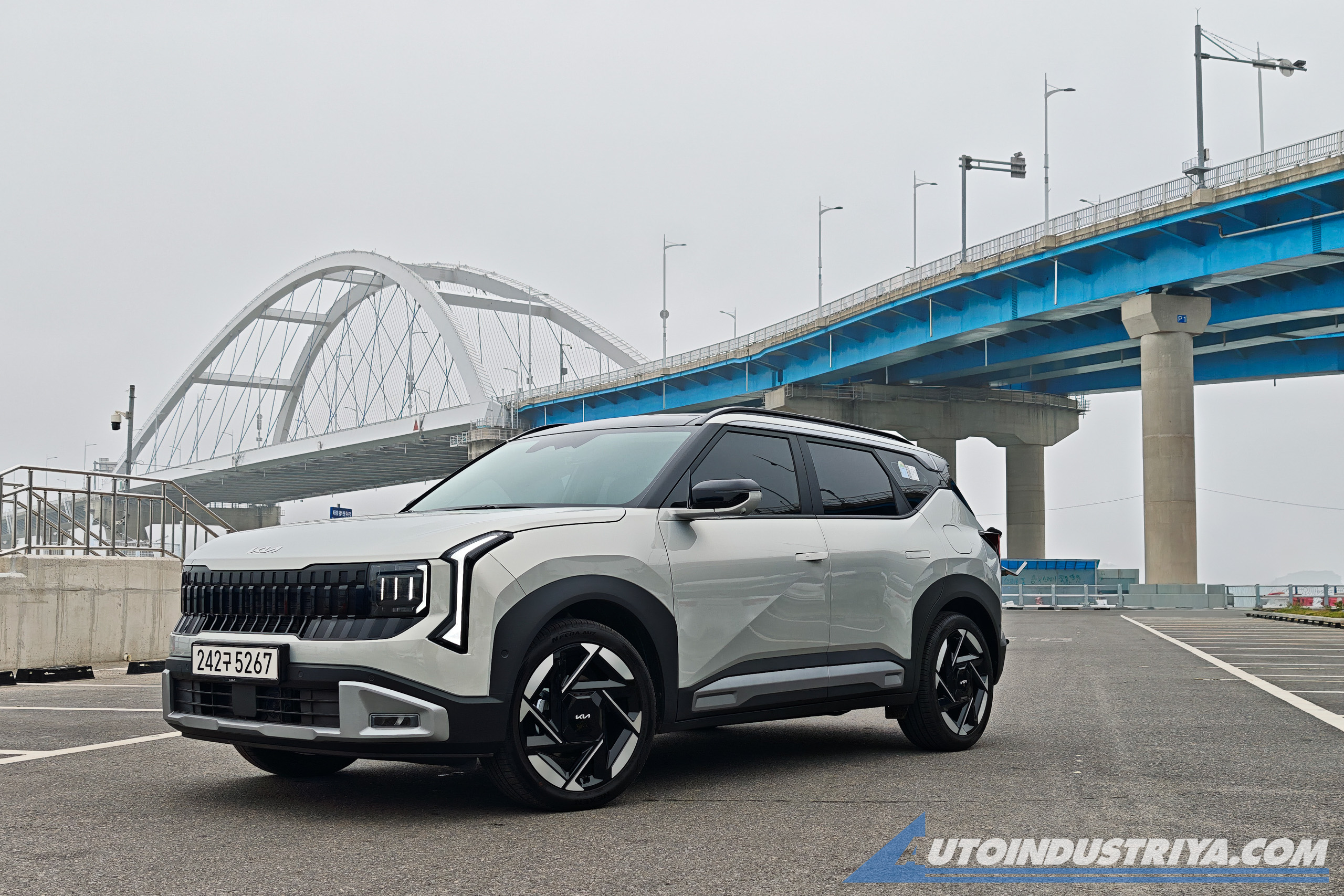
I first saw the Seltos back in 2019, right here in Seoul. Kia had just introduced it, and I remember clearly thinking that the first-gen looked like the Explorer’s little brother from Korea: boxy and good-looking for such a little crossover SUV. The second generation that we’re meeting for the first time in 2026 certainly builds on that impression.
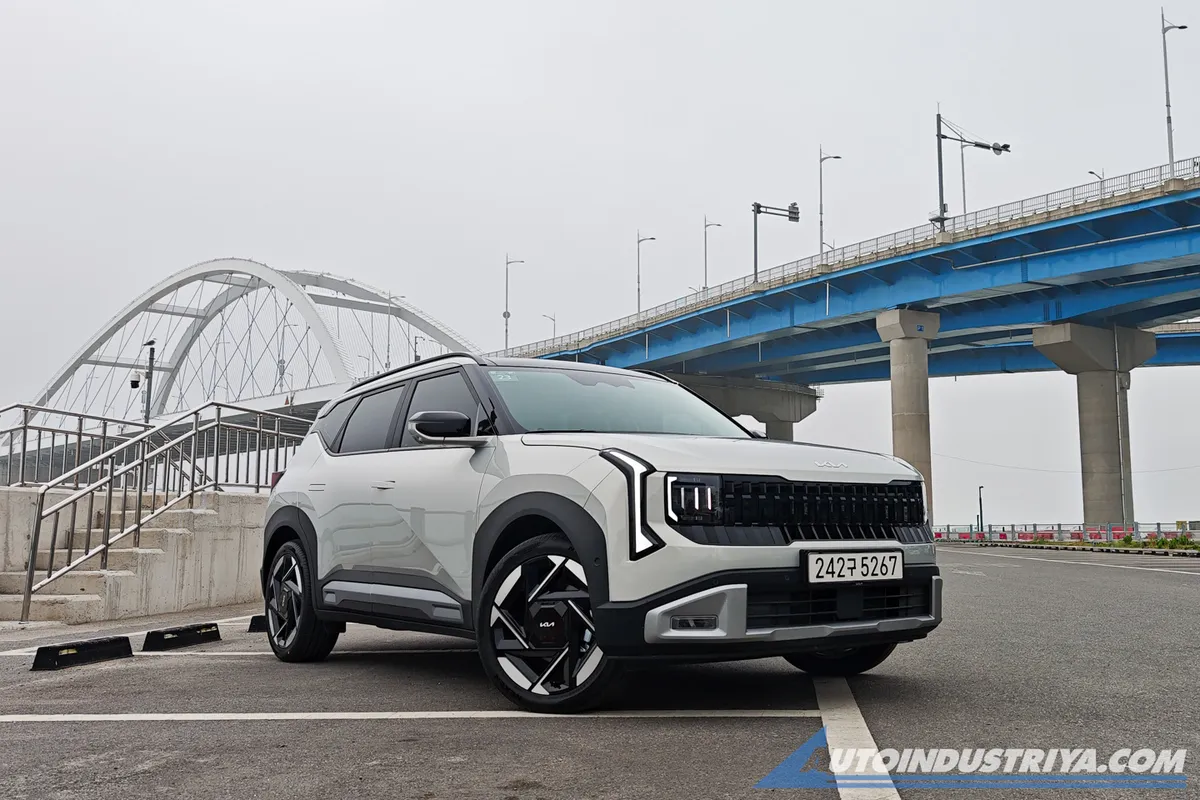
The stance is still there, and it certainly seems boxier when compared to other little Kia crossovers like the Stonic (now discontinued) and the Sonet. There is definitely more detail in the way Kia pressed the body panels, particularly the creases on the doors and rear quarters. The wheels definitely look better; Kia has been playing with some pretty neat wheel designs since the first-generation Soul back in the late 2000s. But really, it’s the front that captures the attention, especially with their play on the “Star Map” lighting and the jewel-like projectors.
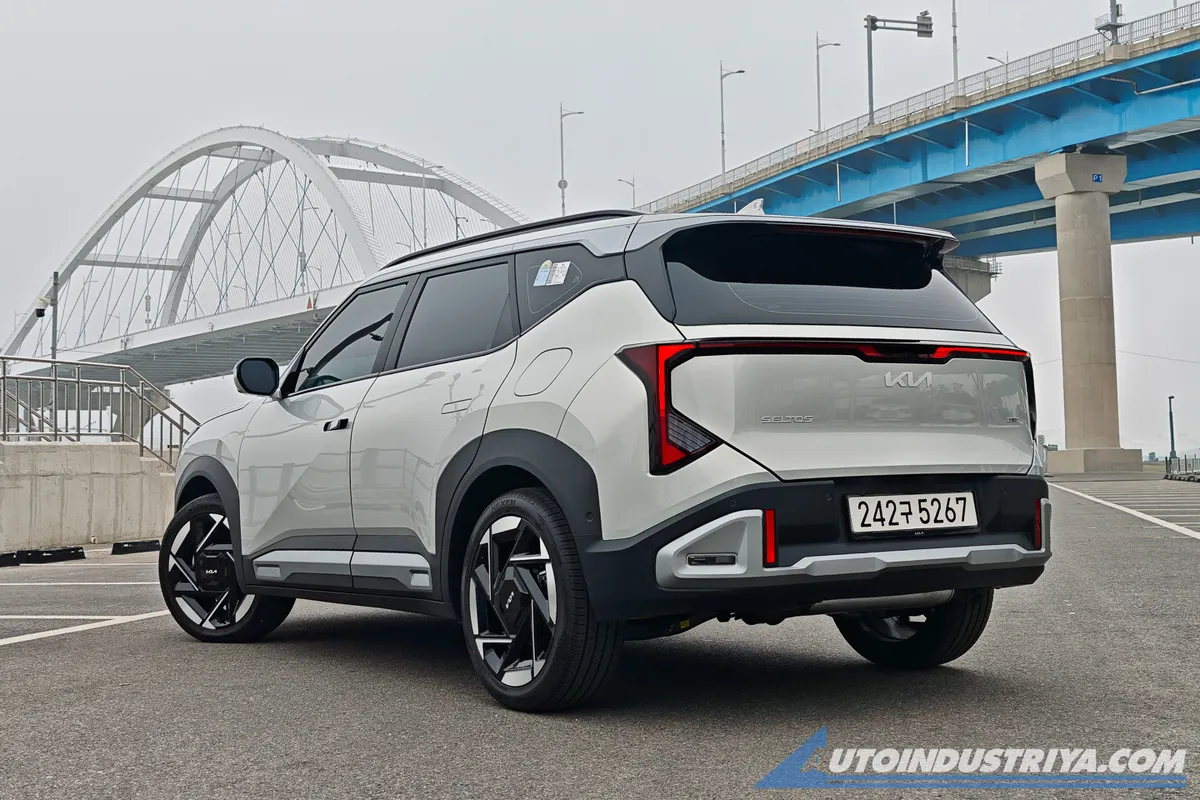
While we may all have different tastes and preferences in vehicle aesthetics, what we can all agree on is how Kia has really pushed design to the forefront of their brand of drive. It wasn’t too long ago that Kia was (along with sister brand Hyundai) the cheaper alternative to Japanese brands like Toyota, Honda, and Nissan. Today, that has all changed, as Kia really is pushing to bend the boundaries in design. Sometimes they even take it a bit too far, like those side-view cameras on the EV9. Sure, they work, but the mirror wasn’t broken, so I felt it didn’t need fixing.
Style, however, is just one aspect that certainly moved forward, but the other part is the cabin. Of course, the build quality is something we really look at, and Kia has been making advances in that regard in the Seltos. Just a quick look around the cabin of the first of two Seltos units we tried out, and that is clear: this is a high-quality and well-designed interior that we certainly won’t mind spending a lot of time looking at in traffic.
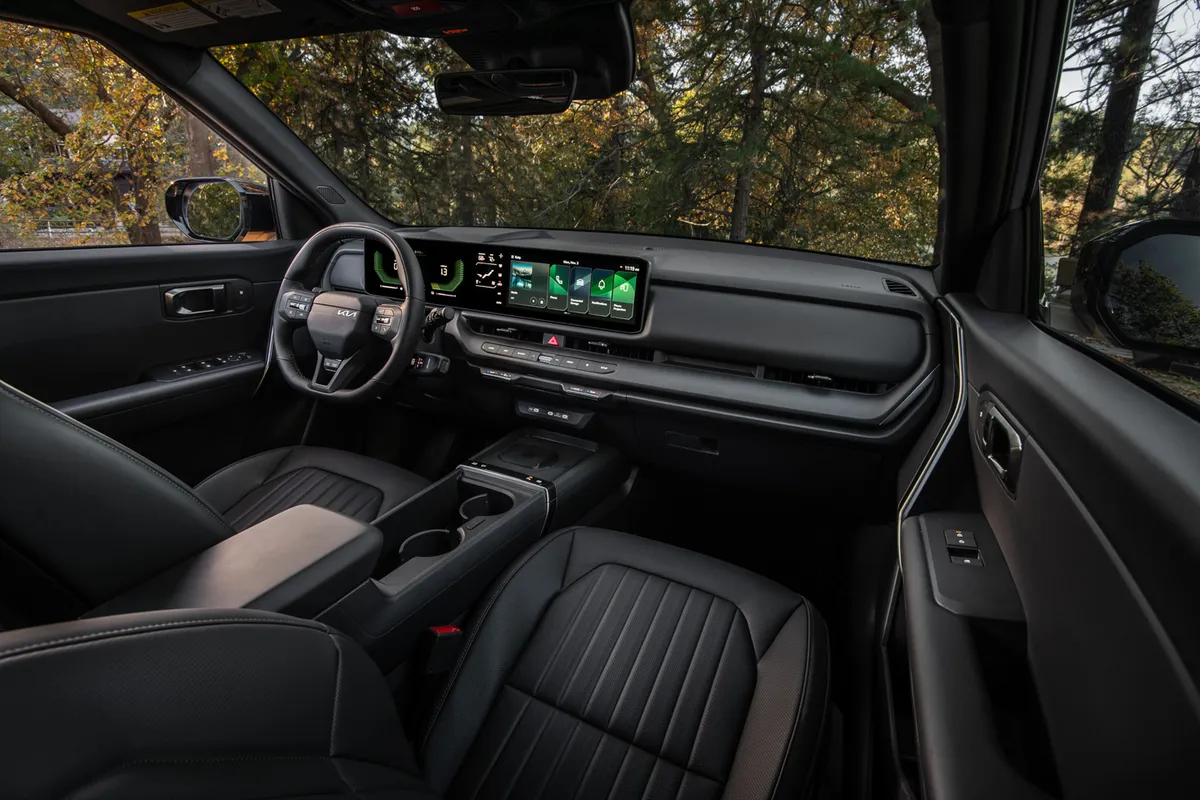
The touchpoints, like the steering wheel, feel great, and other surfaces that ought to be soft touch are indeed soft touch. The plastics used are of a high caliber that we’ve been accustomed to in other Kia vehicles. Controls like the switches, physical buttons, and even the shift-by-wire transmission control on the steering column (same as the EV models) all feel great.
What I’ve been really appreciating in Kia’s models as of late has been the attention towards ergonomics, particularly practical ergonomics. Finding a seating position is great, and there is even an extendable thigh support for the driver’s seat. The column shifter, while unusual for some, frees up space in the center to have that wireless charging pad, and a fairly large tray with retracting cupholders if need be. Even the height of the beltline is also good, as you feel protected inside, rather than exposed.
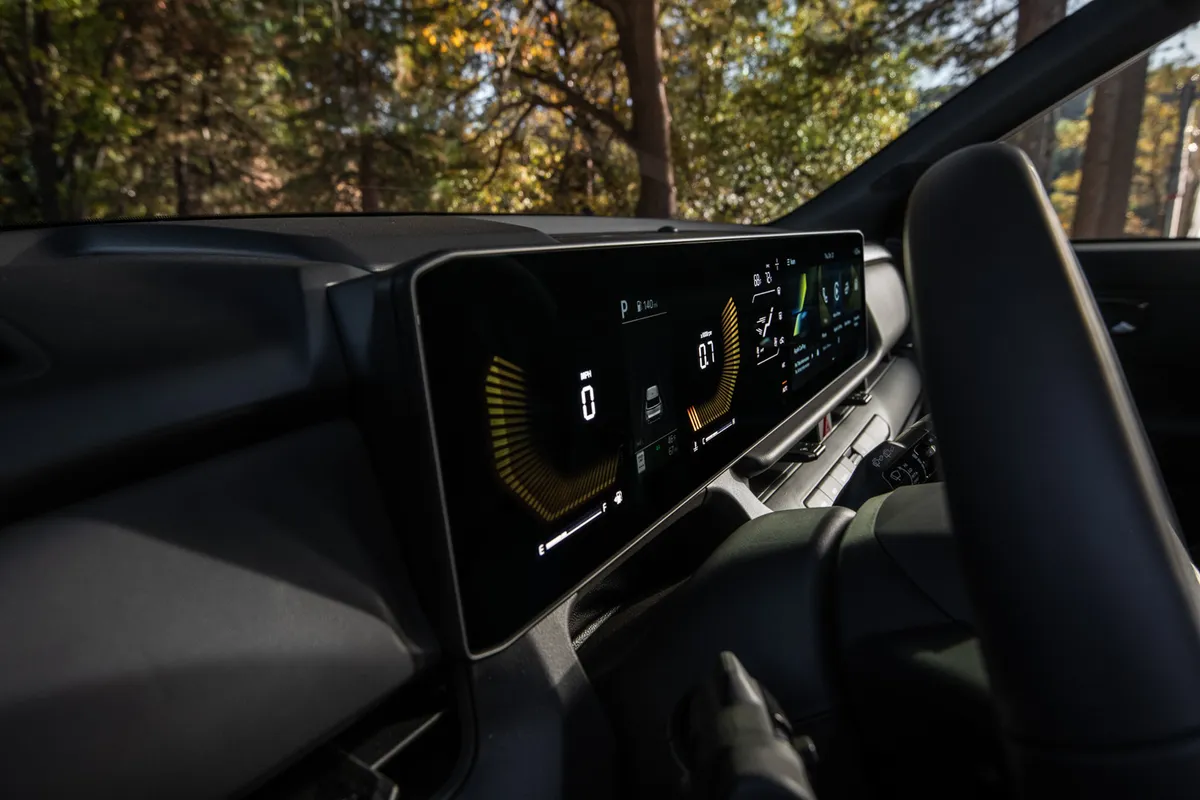
The dual screens are perfectly placed, and with crystal clear sharpness. There’s even a wide heads-up display being projected onto the windscreen. That’s all useful given the abundance of tech like the adaptive cruise, the lane keep, AEB, and navigation. By the way, the onboard navigation in South Korea is fantastic, and even highlights the lane colors you need to take on the tollways so you don’t get lost, and warns you every time you come across a speed camera. I don’t want to get a nicely written letter (and speeding ticket) from the South Korean HPG.
There are many trim levels of the Seltos, such as (but not limited to) X-Line and Signature, with varying differences in wheels, interior materials, colors, as well as various powertrain options depending on the market. There’s even a diesel version and some AWD variants, but we won’t be getting diesel, and the likelihood of AWD may be low. So the first up for our drive was the ICE model, and this one has a 1.6-liter turbo direct injection gasoline engine.
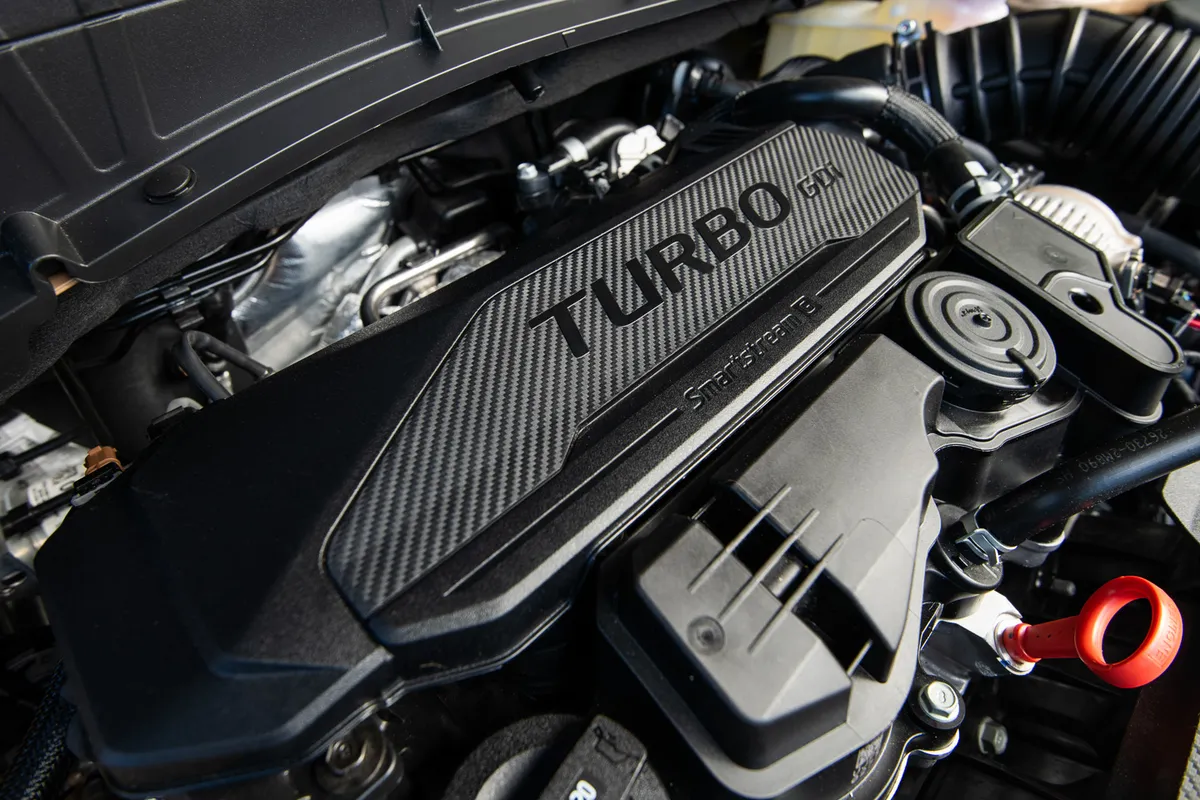
While I cannot fully stretch out the 193 PS that it has to offer (again, no love letters please), I can already feel how much punch it has the moment I enter their expressways. This thing is enjoyable to drive; yes, there is a bit of turbo lag as expected of a small displacement engine with a turbo, but the sport mode does sharpen up the throttle response quite a bit, and the 8-speed automatic driving the front wheels is definitely willing to kick down a few speeds to get going.
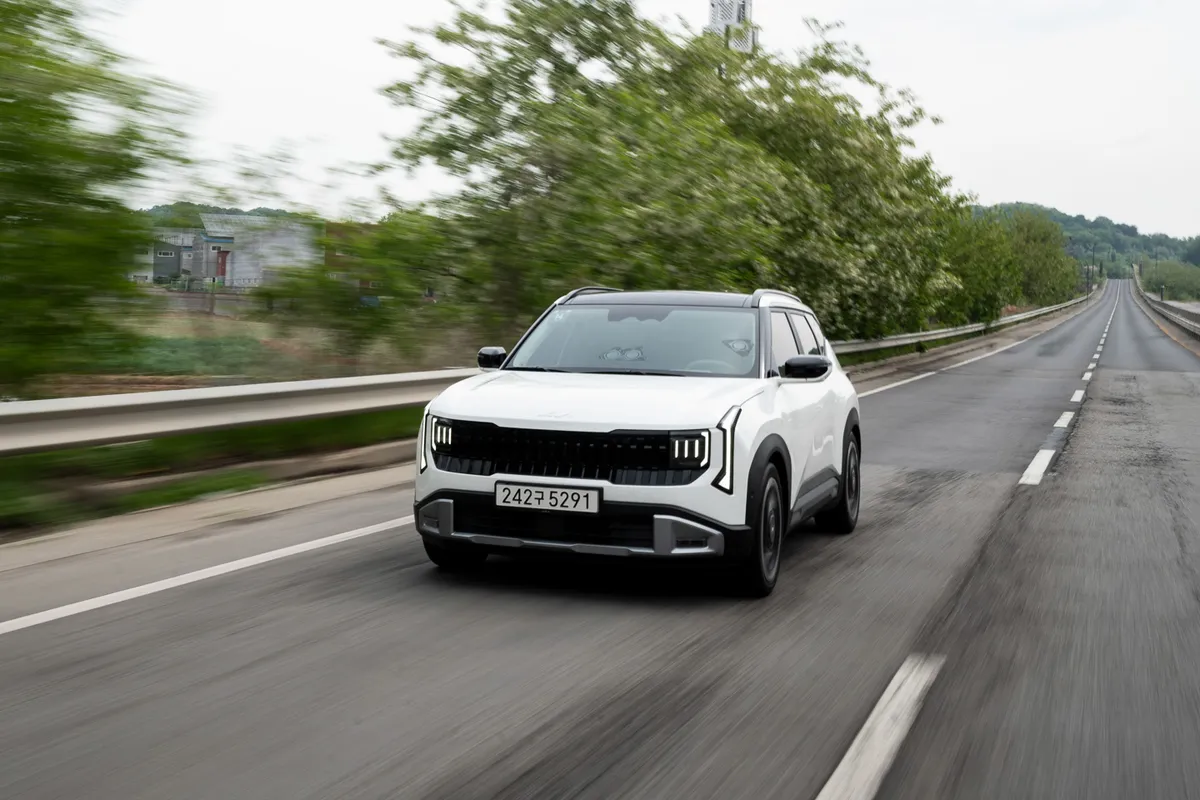
Perhaps what surprised (or didn’t surprise) us was the build, and by that I mean how solid the second-generation Seltos feels on the road. You can feel it when you hit the bumps (few as they may be here), expansion joints, and take a corner. It feels rigid; no noisy flexing and rubbing of the many interior plastics that would be noticeable in crossovers of a similar class.
The rigidity is due to the monocoque, not a ladder frame, which is reserved for more robust SUVs meant for trails and such. Kia stepped up the use of advanced high-strength steel throughout the structure. It does help that Kia is with Hyundai, and that means direct access to one of the world’s best and largest steel producers. And having more steel of a higher tensile strength is always a good thing, especially with safety and the drive.
The problem, however, is that the vehicle we’re in is ICE. That may not have been a problem before February 28 of this year (or even before February of 2022), but it certainly is now, given these international events from baffling motivations. It means we don’t look at ICE vehicles like we used to, and we definitely look at fuel economy more stringently. On the highway, I was getting around 19 kilometers per liter (which isn’t bad at all. As for the city, the fuel economy of around 12 km/l in Seoul will not be relevant to the Philippine setting, particularly Metro Manila traffic. Yes, they get heavy traffic here too, but our urban traffic is something else entirely. We’ll save that for later.
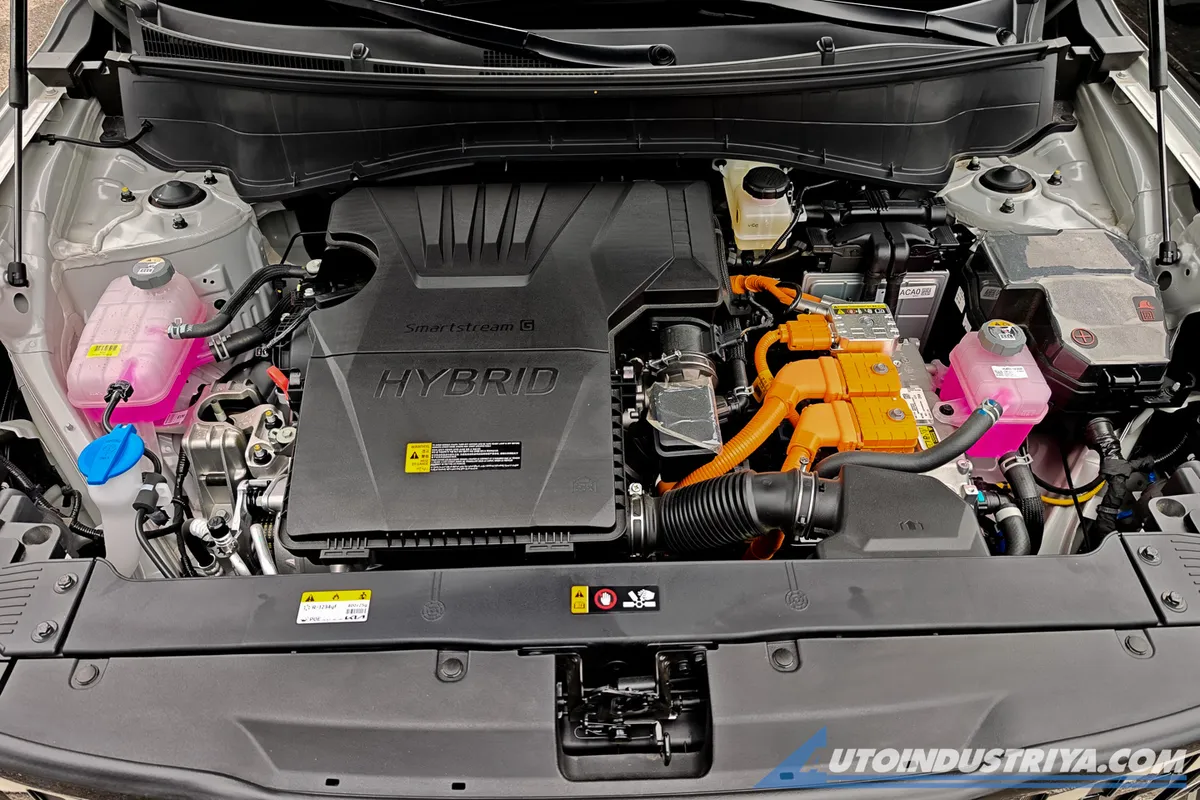
But the ICE wasn’t the only Seltos on the menu. We also got to drive the HEV version the very next day. Mind you, PHEV is our preferred model for the Philippines right now, given fuel prices, but the HEV will do nicely. 20.5 kilometers per liter in light city traffic (average of 24 km/h) is pretty good. Mind you, it’s not anywhere near as punchy or as fun as the T-GDI, but it still has torque and definitely has the efficiency.
That efficiency, when combined with the looks, the quality, the extra passenger space, the comfortable seats, the technology, and the cargo space (536 liters, with the modular hook system), the sophomore generation of the Seltos has a lot going for it. They really went to town to improve the vehicle in every way possible, and you can feel it.
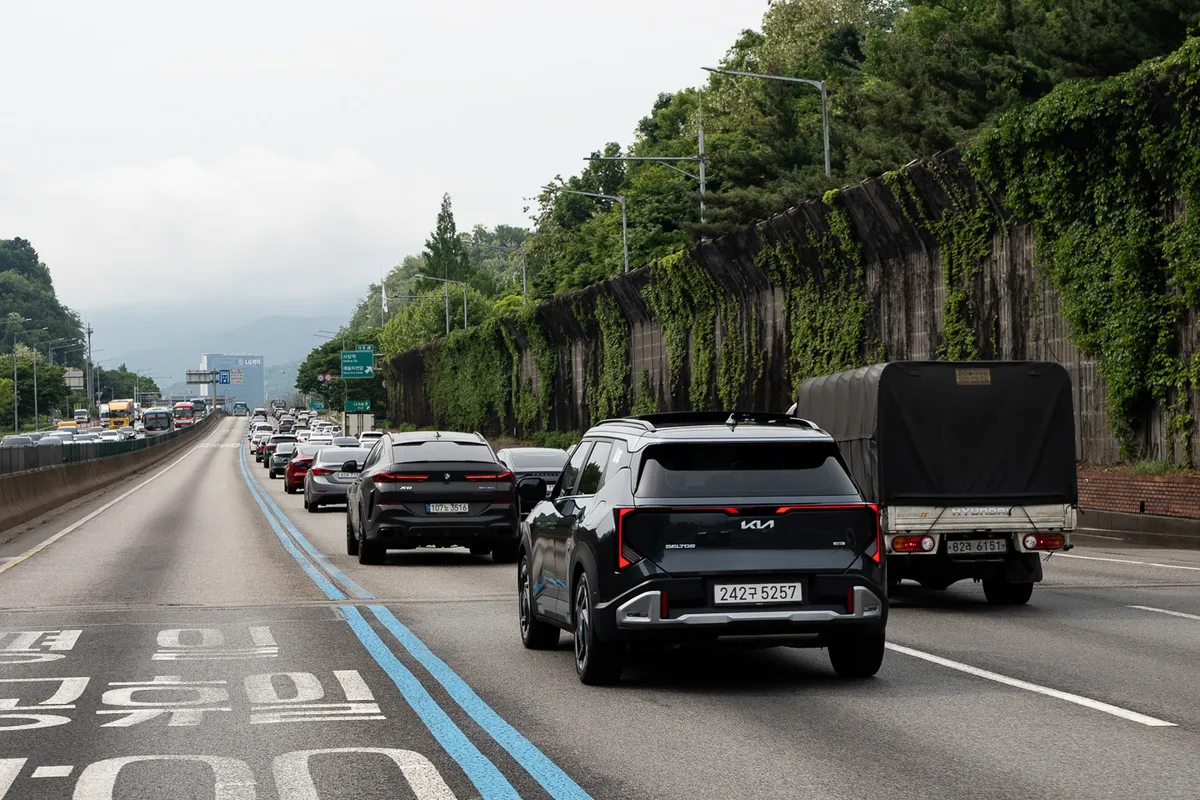
There are, however, two challenges that may be of concern. The first is the philosophy of their product planning. I feel that Kia may have been a bit conservative with the model mix, as during the press conference and briefing, I saw more ICE models than hybrid models in their global strategy. And it seems that the strategy did not adjust for very recent global events that have upended the demand for ICE worldwide. PHEV is all the rage now, and to a lesser extent, the HEV. And mind you, they didn’t show us any PHEV versions of the Seltos.
The other issue is going to be pricing. In 2019, Kia Philippines showcased the Seltos, and we were very surprised at the pricing: it’s a bit high. And that didn’t improve over the years either, as the Seltos is now at PHP 1.6 million. For the second-generation model, they need to correct that. And hopefully, having an HEV would bring the price down by quite a bit.
As to how much, we will have to wait for the official launch.
Related Posts
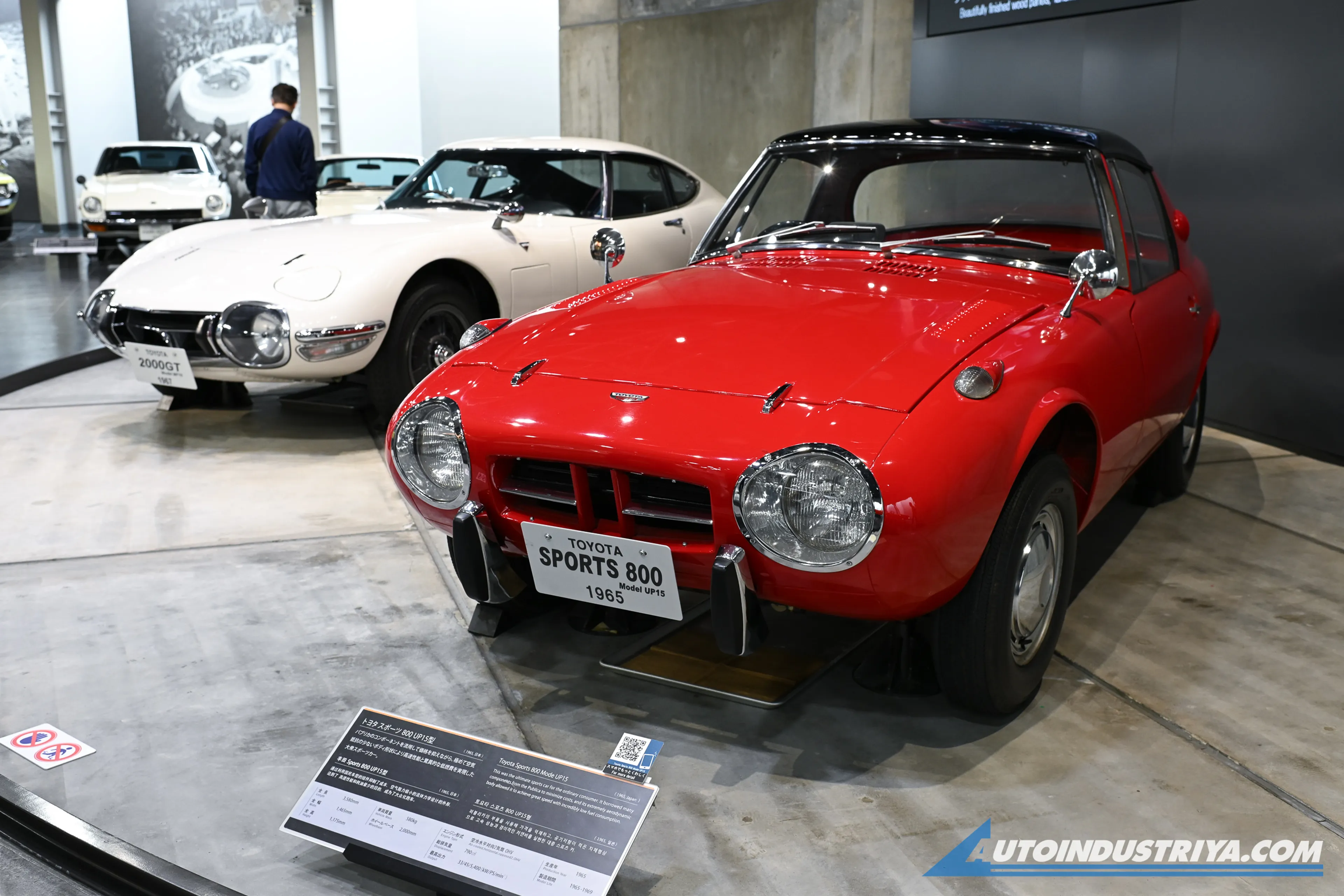
History in Metal: An Afternoon at the Toyota Automobile Museum
A storied pilgrimage to the Toyota Automobile Museum in Nagakute, exploring why this world-class collection spanning from the legendary 2000GT to global automotive icons is an essential destination for every true car enthusiast.
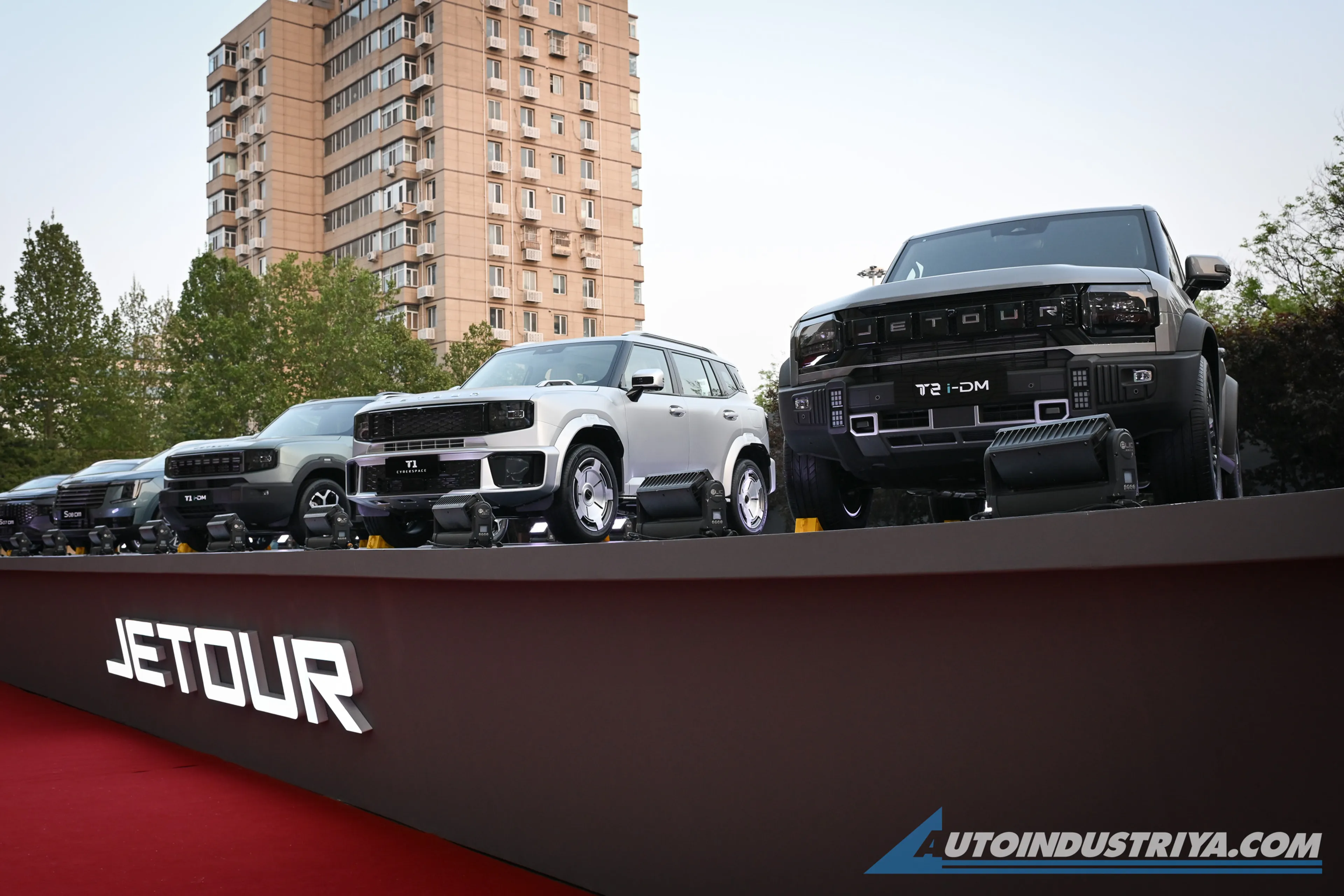
Beyond the Road: Jetour shares new "Travel+" global push
Jetour International is reinventing itself as a lifestyle brand that goes beyond the road with new “Travel +” push.
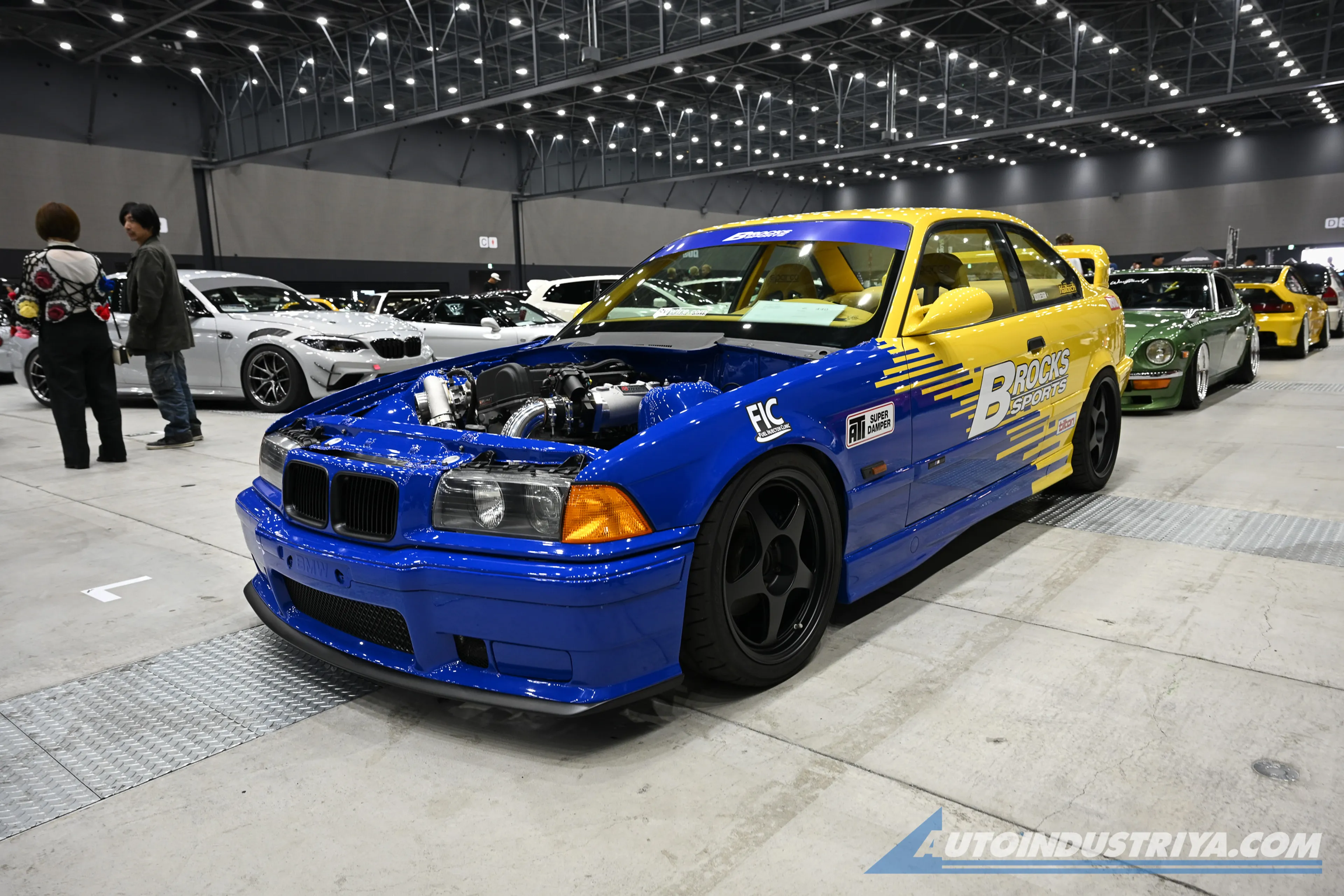
Pure Perfection: Wekfest Japan 2026 Celebrates the Art of the Clean Build
Amidst the Golden Week rush, Port Messe Nagoya transformed into a cathedral of automotive excellence for Wekfest Japan 2026
Geely Auto Group shows off Mobility Roadmap at 2026 Auto China
From e-methanol to AI-driven tech
MIAS 2026: Top Five Picks from the Manila Int’l Auto Show
From PHEVs to HEVs and BEVs, MIAS 2026 highlighted the New Energy shift
Barely Legal Speed: The Ariel Atom 4RR and its insane power-to-weight ratio
Built to celebrate 25 years of the Atom, the 4RR is the quickest and most powerful production Atom in the model’s history.