
Driverless vehicles unlikely to land in PH due to bad infra, law
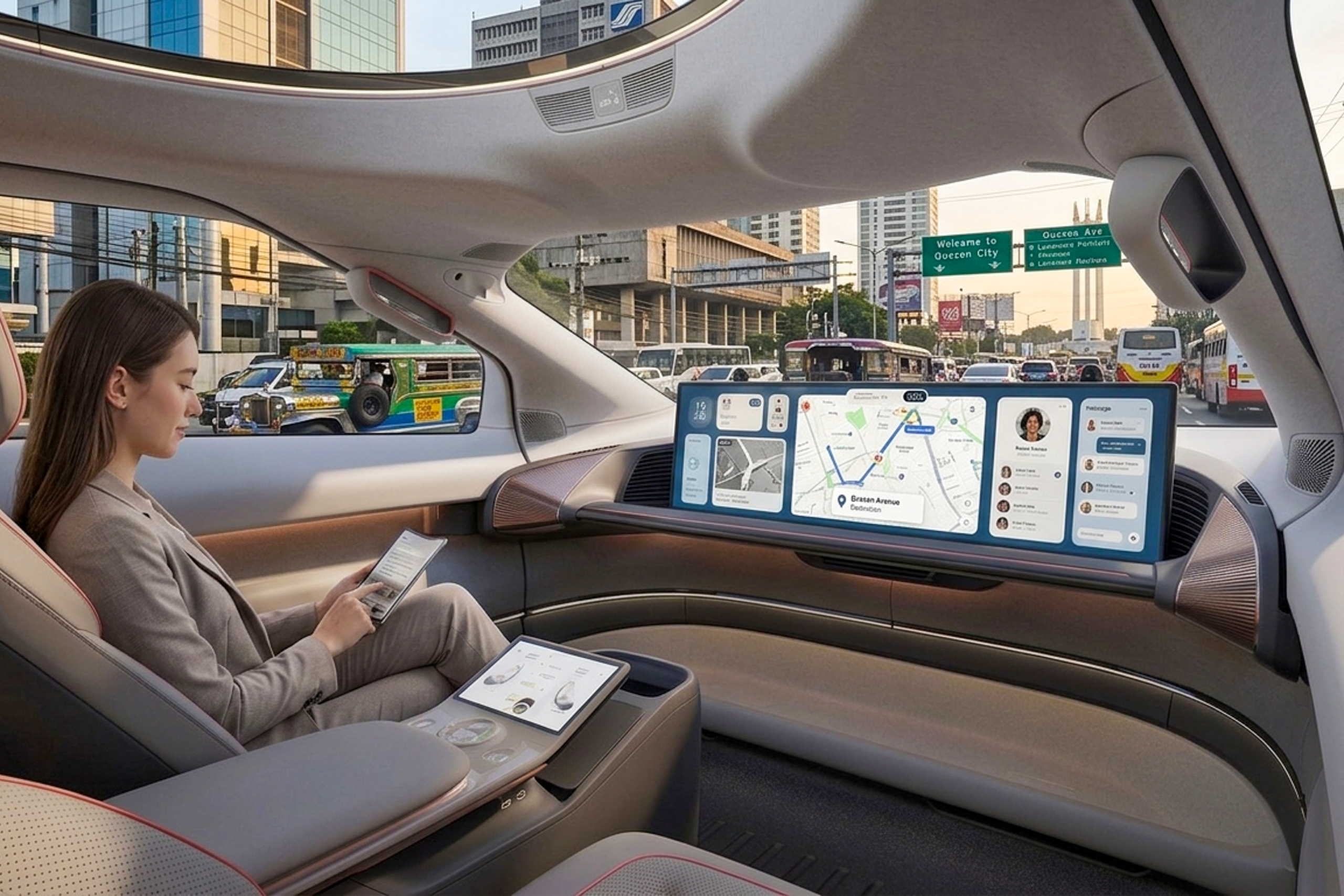
Driverless vehicles unlikely to land in PH due to bad infra, law
Fully autonomous driving vehicles are still a distant tech for Pinoys

Attending auto shows abroad offers a glimpse of what could soon shape our own roads. One that stands out (at least for a Juan dela Cruz like me) is the Robotaxi EVA Cab from Geely Auto Group, set for deployment under Caocao Mobility, alongside a wave of autonomous last-mile delivery vehicles from other Chinese automakers.
These vehicles are fully autonomous, operating without a driver and relying on a suite of advanced technologies such as onboard cameras, radar systems, satellite positioning, internet, and artificial intelligence (AI). Together, these systems allow the vehicle to navigate busy urban environments and carry passengers (or deliveries) from point A to point B safely and efficiently.
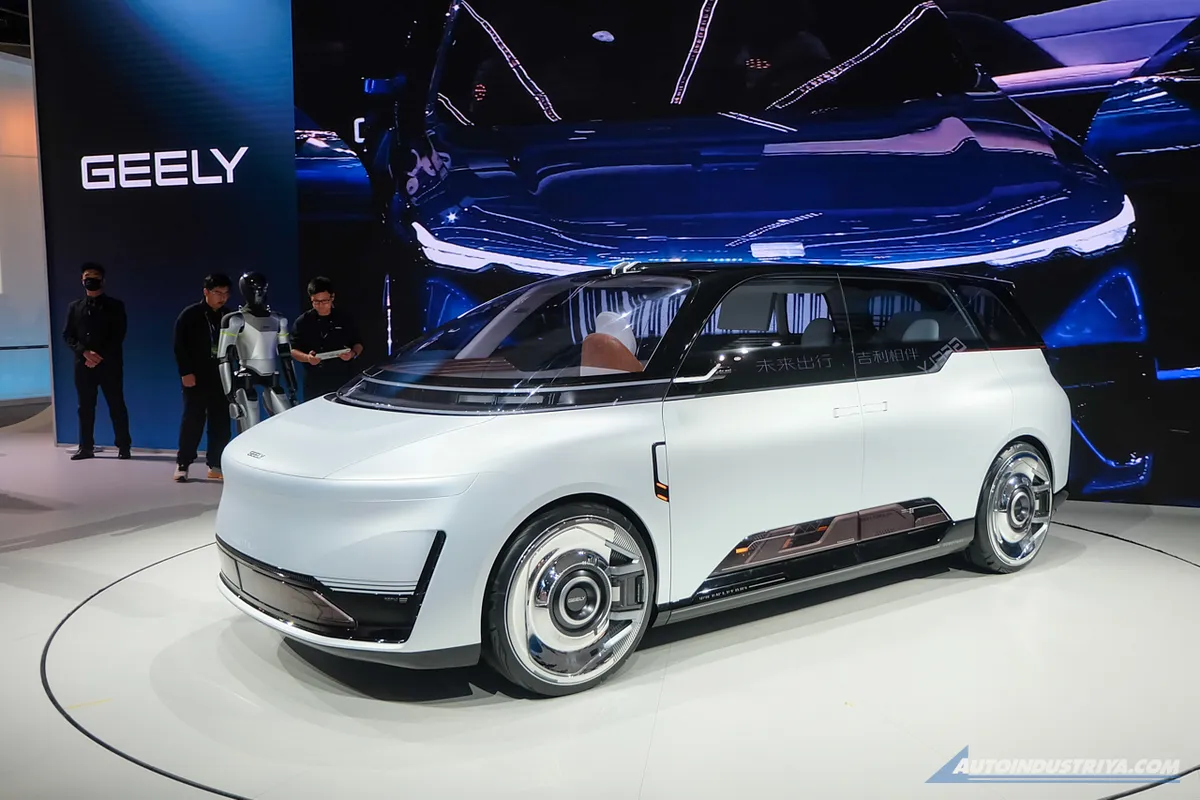
Geely Robotaxi, the EVA Cab
The tech isn’t new, but in other countries, people actually get to use it. Imagine that in the PH, meaning no overcharging and no diskarte fares from opportunistic cab drivers. Just a ride that works the way it should for both Filipinos and tourists (who almost always get scammed right from the airport).
Unfortunately for Filipinos, this kind of tech is quite literally a suntok sa buwan. Why? Because our road infrastructure is so bad, it can’t support this kind of tech.
During our recent visit to the Beijing Auto Show, we put the question directly to officials from Geely Auto Group: with the Robotaxi set for rollout next year and more than 100,000 units eyed for global deployment by 2030, could the Philippines be part of that future?
The answer was a blunt no. Poor road conditions and infrastructure make local deployment a non-starter.
“Actually, the self-driving car, there are several conditions for that. The first one is the L2+ ADAS, the LIDAR and also the cameras. And these sensors work best in good road conditions,” said Geely Auto Group’s Country Manager for East Asia Sales Division of Zeekr and Link & Co., Victor Shu.
In China and other countries where these driverless vehicles are to be deployed, he adds, roads are well-maintained with clear, consistent markings, which are critical for autonomous systems. He also pointed out connectivity. China has strong 5G coverage, even in rural areas. He mentioned these in what we call "real talk" and meant no disrespect.
If I were to translate that, I think what he’s trying to say is that in the PH, we have poorly maintained roads, faded lane markings, missing or broken road signs, with other signs placed where they’re barely visible. Add those traffic enforcers who seem to be playing hide and seek instead of managing traffic flow, confusion can quickly set in even for a seasoned human driver. And, our internet is so unreliable that these driverless vehicles can't use it.
This is just the sad truth Pinoys face every single day.
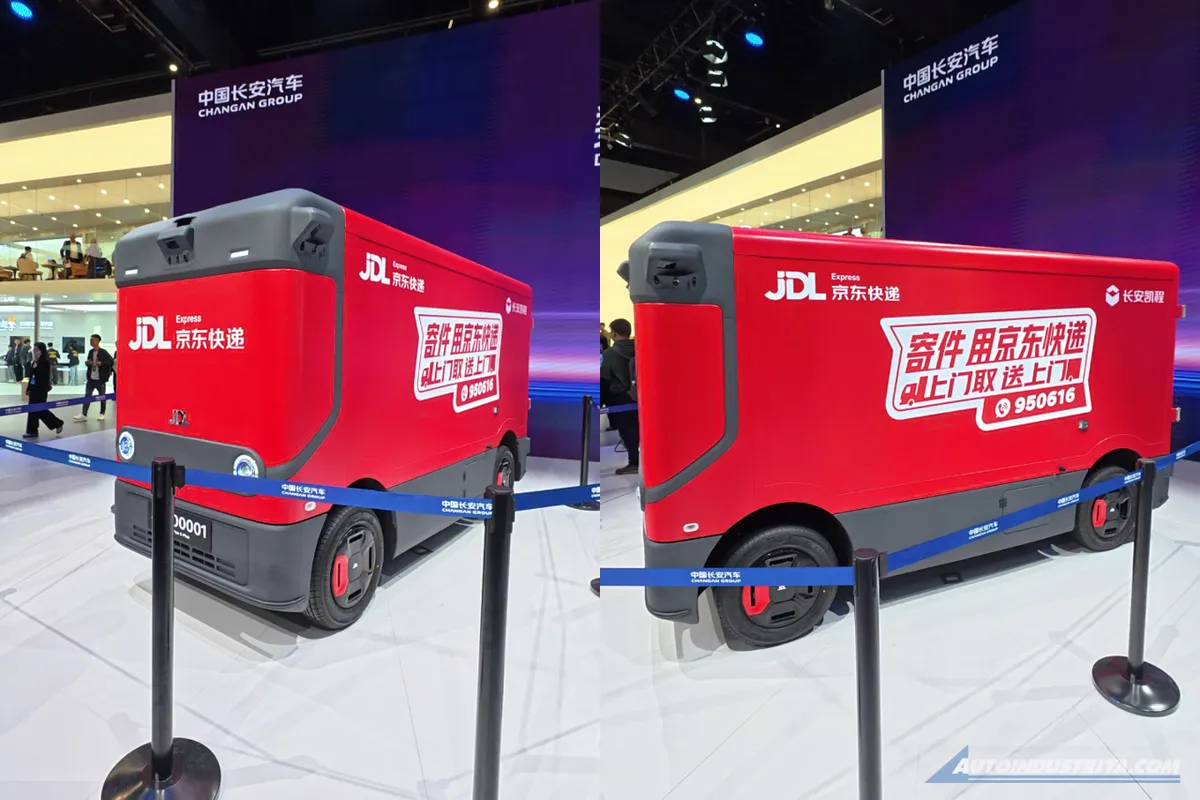
An Autonomous last-mile delivery vehicle
Beyond our less-than-ideal road and internet conditions for fully autonomous driving, there’s also a legal barrier. Under RA 4136, or the Land Transportation and Traffic Code, a “driver” is defined as every and any licensed operator of a motor vehicle.
This means the law is built entirely around a human being in control, with responsibility tied to a licensed person behind the wheel. Since AI or robots are not recognized as licensed operators, fully autonomous or driverless vehicles still have no legal standing in the Philippines.
If only our lawmakers focused on improving the daily lives of Filipinos instead of, as alleged, filling maletas tied to flood control funds, technologies like autonomous vehicles would not feel so out of reach. With taxpayers’ money properly spent on better roads and sound policies, logistics and commuting could become smoother, more reliable, and cheaper. For now, though, it remains a distant reality.
Related Posts
LTFRB summons 30 ride-hailing firms over driver quota violations
Ride-hailing platforms allegedly went beyond their assigned driver and rider quotas
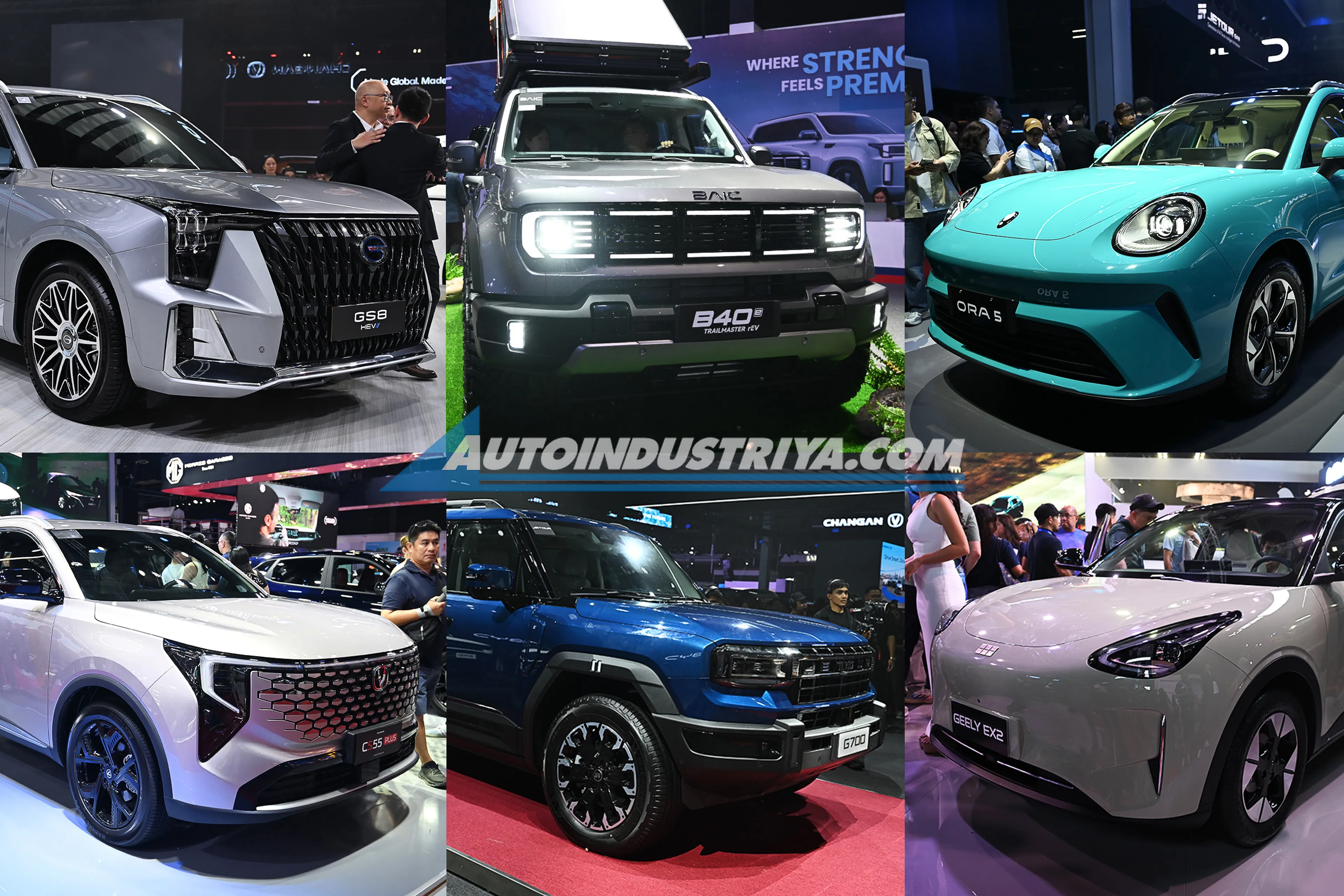
MIAS 2026: Over 2,080 units sold at this year's show
UAAGI takes the lion's share of units sold with reservation fees at MIAS 2026
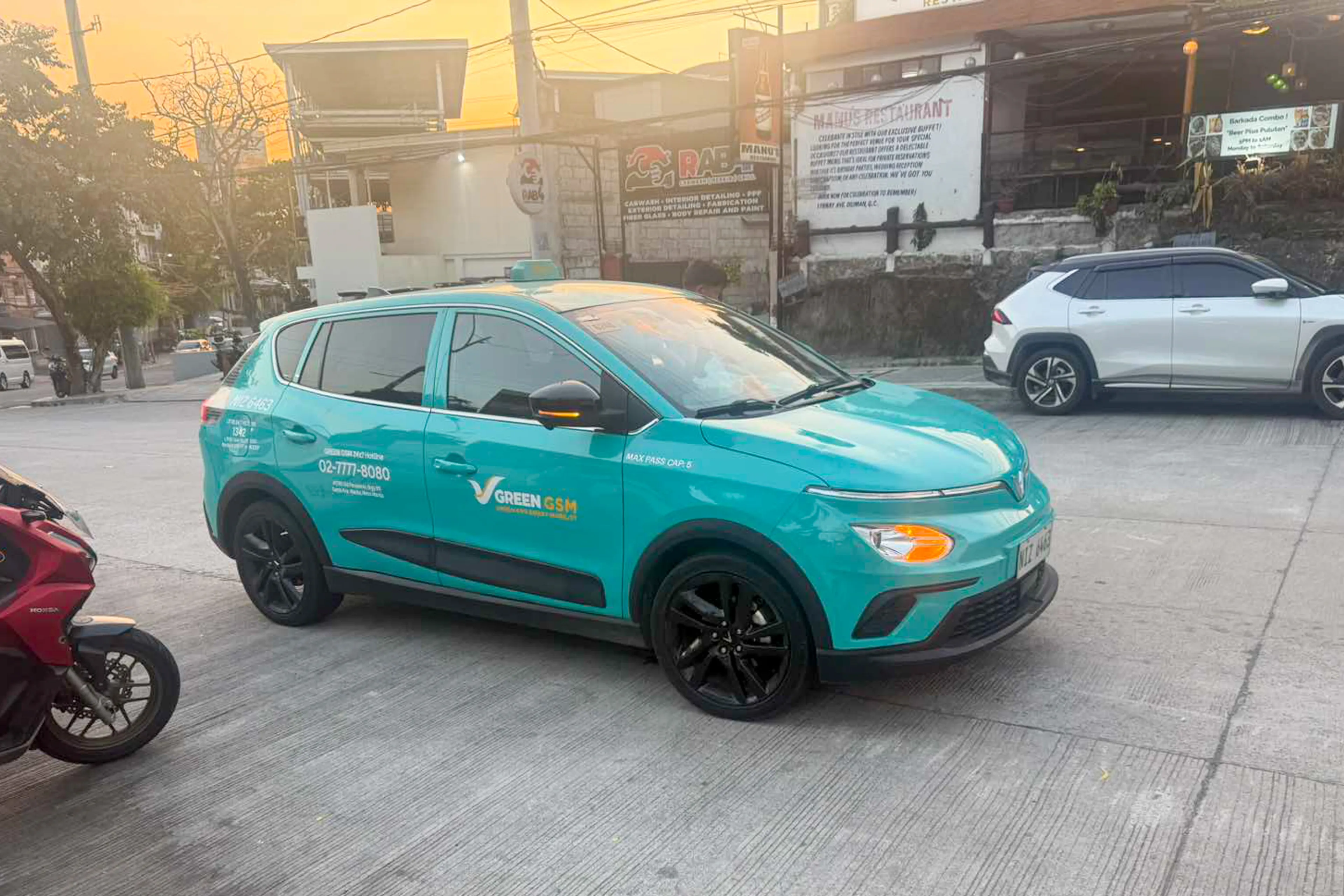
Reckless cab driver tried to outrun enforcers, apprehended by LTO Chief himself
He's facing charges of Reckless Driving, DTS, and possibly an Improper Person to Operate a Motor Vehicle
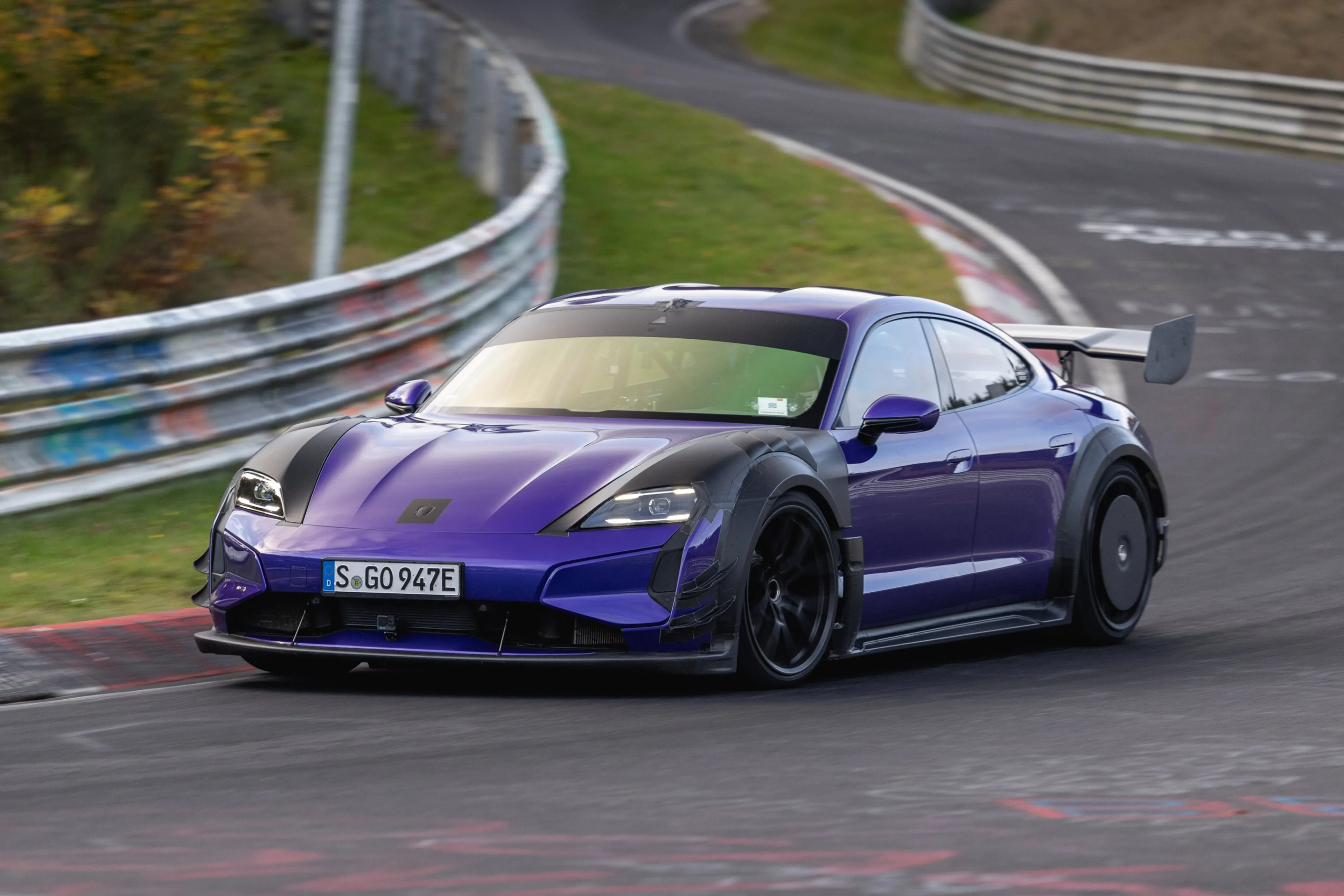
Porsche regains Nordschleife EV record with Manthey-spec Taycan Turbo GT
Porsche Taycan Turbo GT with Manthey Kit sets new Nordschleife record for production EVs
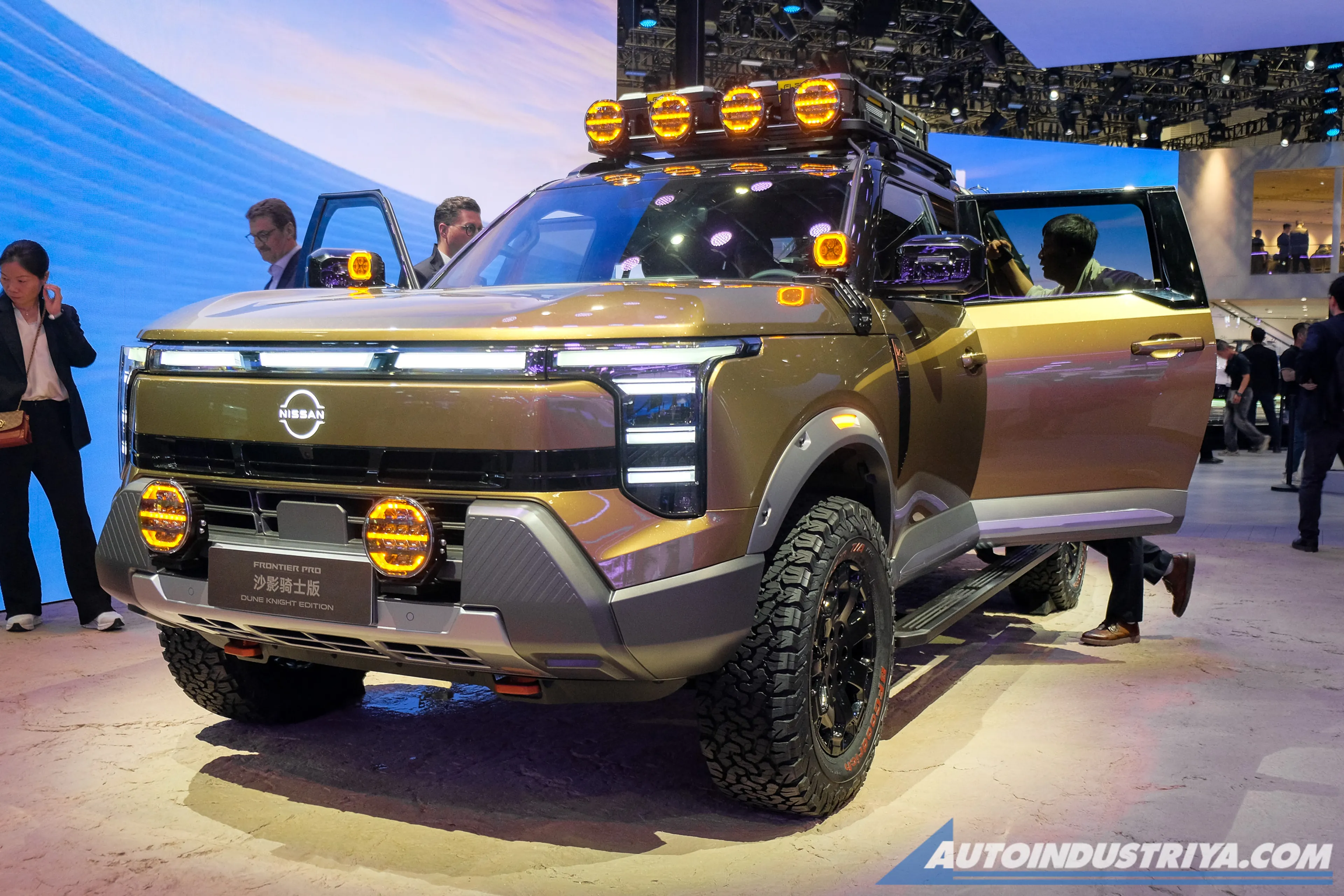
Nissan Frontier Pro Dune Knight Edition is ready for anything
Frontier Pro PHEV Dune Knight Edition demonstrates the customization options for Nissan's plug-in hybrid pickup
Take the Geely EX2 EV for a spin at 2026 Auto Focus Test Drive Festival 'til Sunday
Surprise! Geely brings out the EX2 ahead of its official launch