
Geely to deploy 100K AI-powered driverless taxis by 2030
Geely to deploy 100K AI-powered driverless taxis by 2030
Also supported by Geely's 64 low-orbit satellites (and counting)

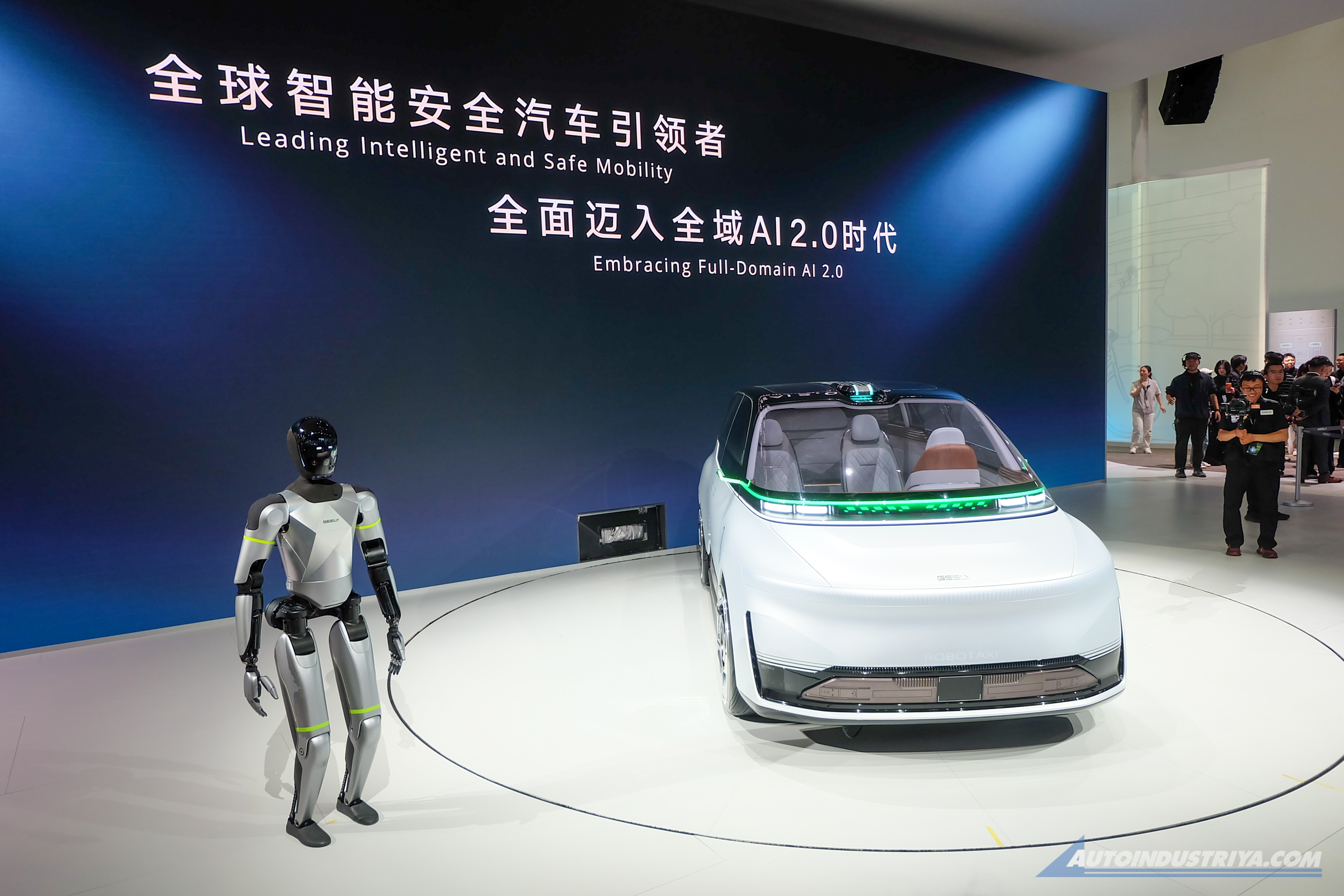
Artificial Intelligence (AI) was once the stuff of fiction, often seen in films where machines could think and process information on their own. At this year’s Beijing International Automotive Exhibition (Beijing Auto Show), Geely Auto Group demonstrated how that vision is rapidly becoming reality, showcasing its full technology ecosystem with AI at its core, and it is no doubt, the future of mobility.
Driverless taxis
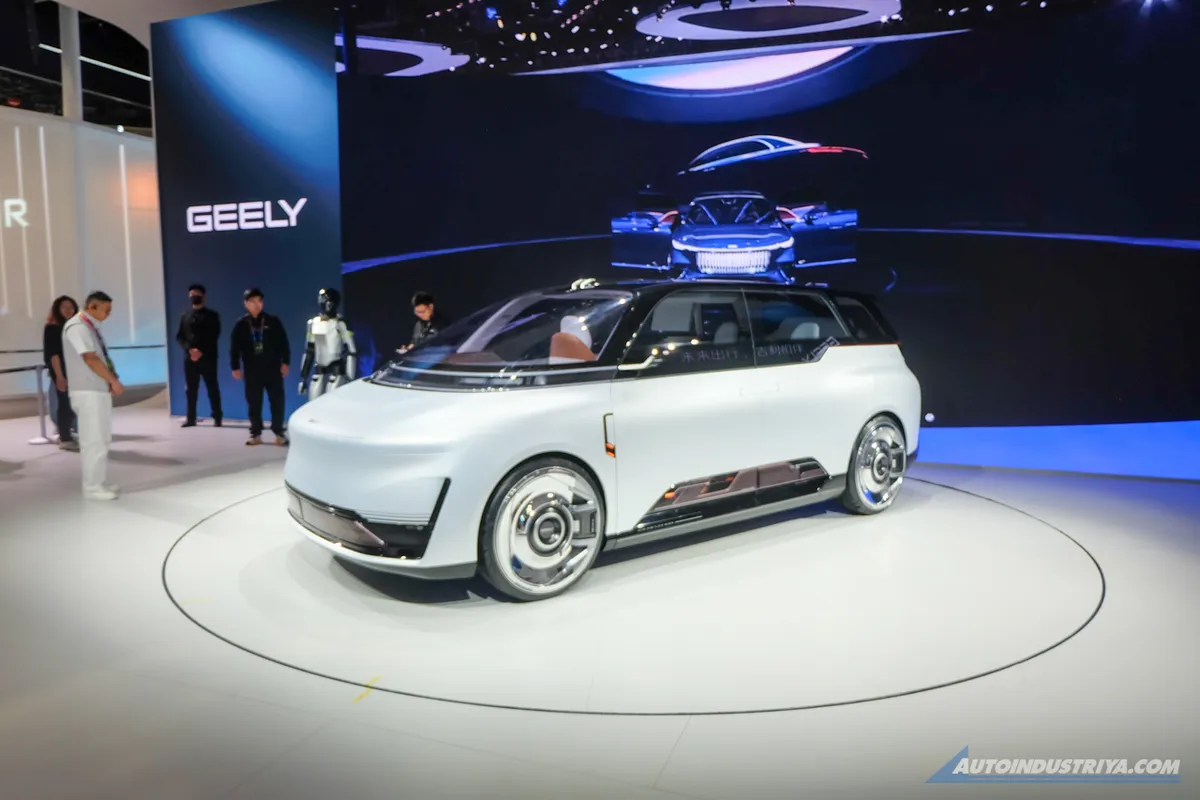
Imagine booking a ride to your destination, only to be picked up by a driverless robotaxi. These vehicles rely on advanced systems to carry passengers from point to point without a human driver. For Geely Auto Group, the concept is already taking shape, as it presented its EVA Cab Robotaxi prototype to the public, marking a significant step toward driverless mobility.
How does it work? The system combines AI, advanced safety technologies, and data support from Geely’s network of 64 low-orbit satellites, allowing the vehicle to navigate and respond to real-world conditions in real time.
According to Geely, the EVA Cab brings together a range of advanced technologies designed to think, see, and protect itself while on the road. Its system architecture acts as the vehicle’s brain, keeping everything connected and secure, whether it is unlocking the car, updating software, or protecting user data.
To handle driverless operation, the EVA Cab is equipped with powerful processors from NVIDIA and Qualcomm, allowing it to process huge amounts of data every second. Its sensors, including a high-resolution LiDAR system, let the vehicle “see” its surroundings in ultra-high detail up to 600 meters. Combined with its Level 4 autonomous driving software, the EVA Cab can operate on public roads without a human driver, bringing the idea of fully driverless transport closer to everyday use.
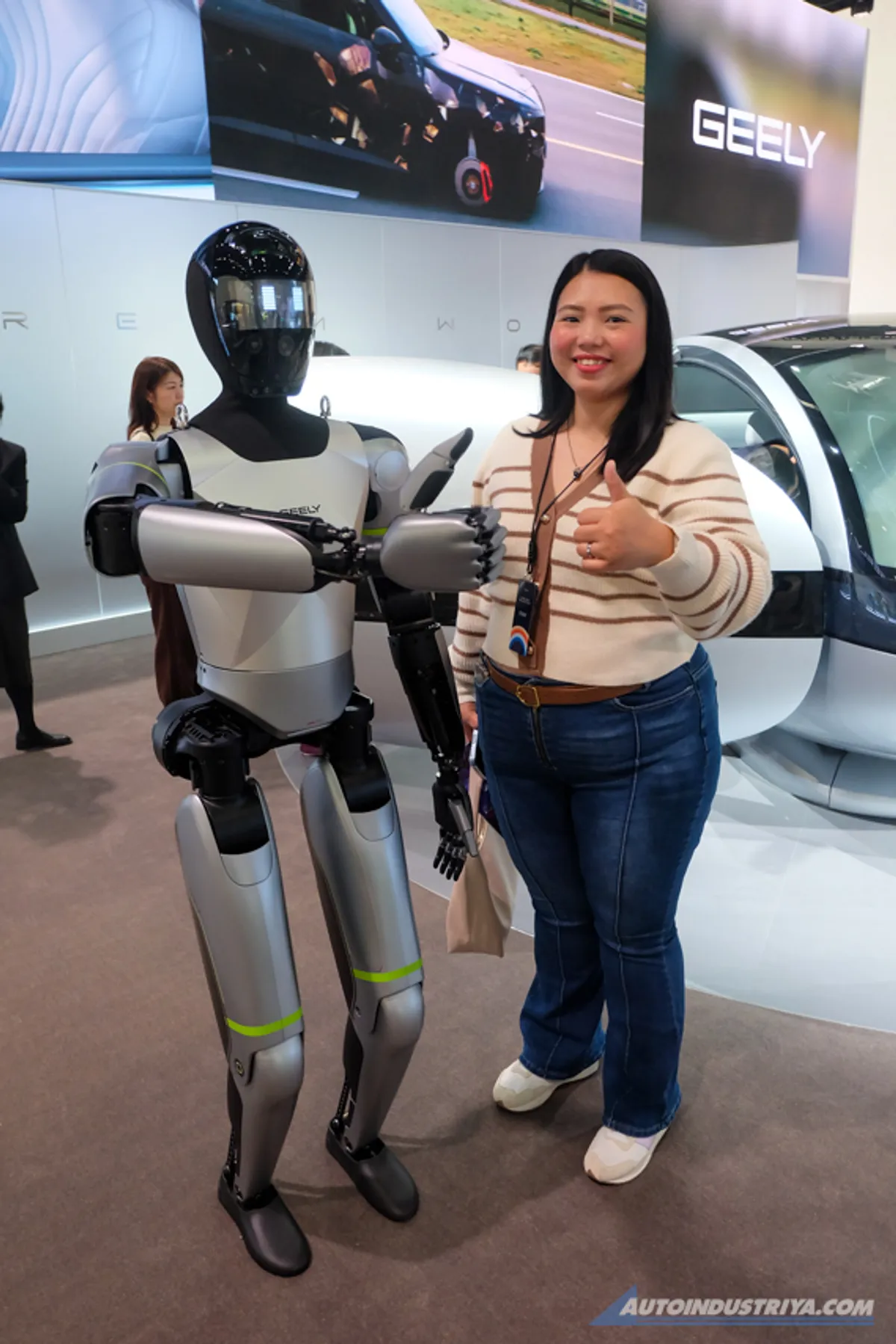
When asked about rollout plans, the company’s own AI-powered robot assistant, also named “Eva,” said that Geely Auto Group is targeting the launch of customized EVA Cabs in 2027, in partnership with CaoCao Mobility, with a broader goal of deploying up to 100,000 units worldwide by 2030. We really hope that this kind of technology will eventually find its way into the Philippine market.
Related Posts
LTFRB summons 30 ride-hailing firms over driver quota violations
Ride-hailing platforms allegedly went beyond their assigned driver and rider quotas
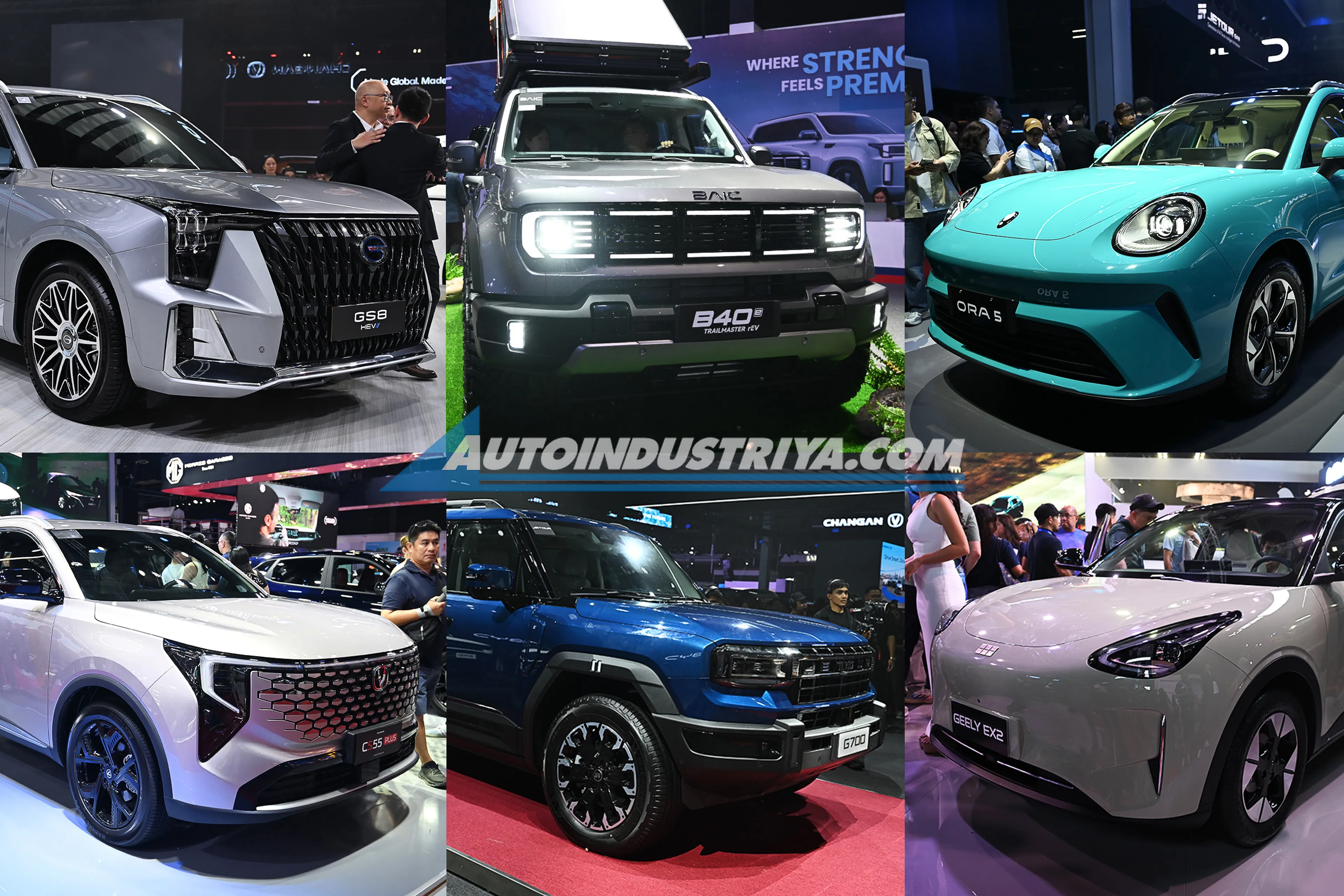
MIAS 2026: Over 2,080 units sold at this year's show
UAAGI takes the lion's share of units sold with reservation fees at MIAS 2026
Reckless cab driver tried to outrun enforcers, apprehended by LTO Chief himself
He's facing charges of Reckless Driving, DTS, and possibly an Improper Person to Operate a Motor Vehicle
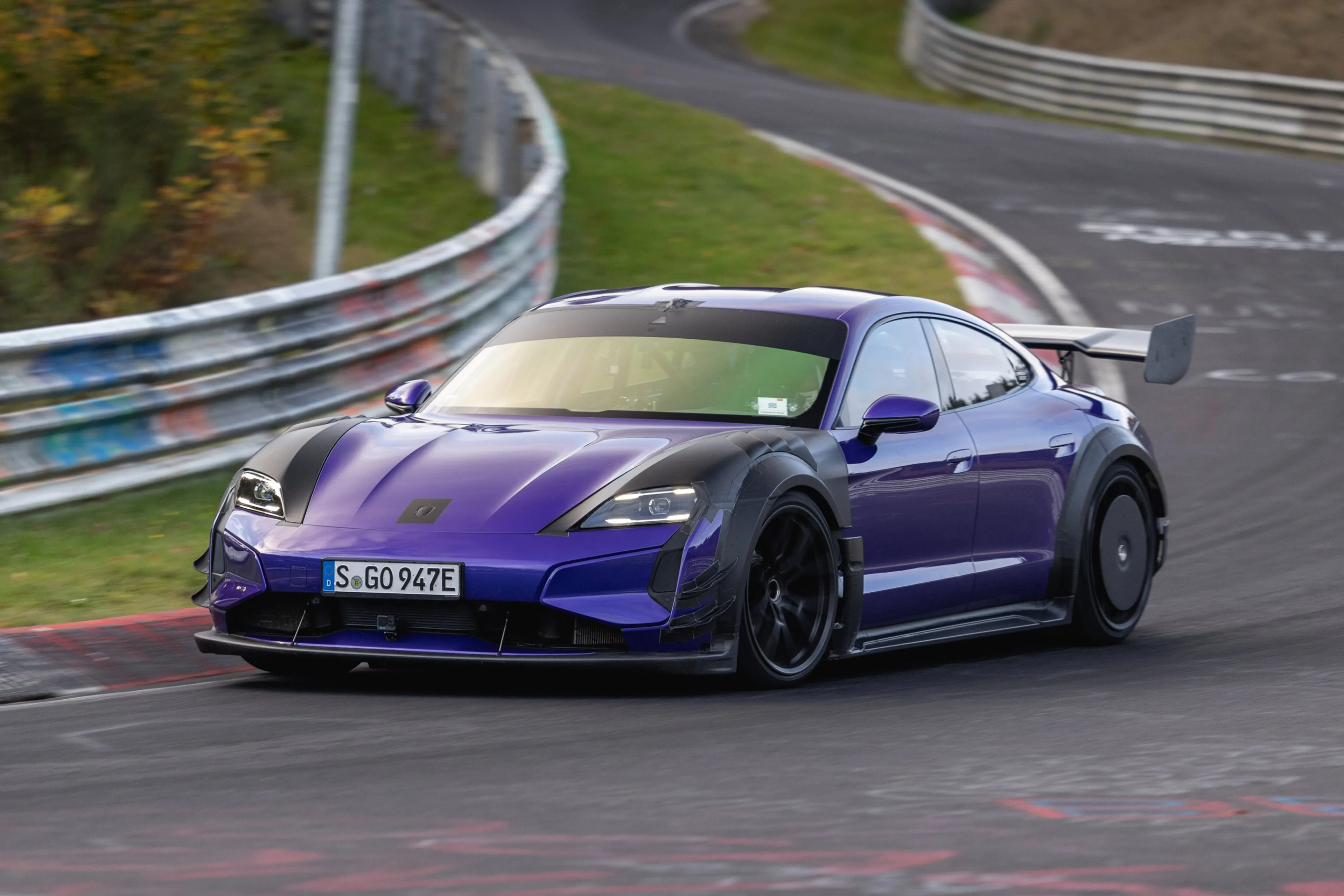
Porsche regains Nordschleife EV record with Manthey-spec Taycan Turbo GT
Porsche Taycan Turbo GT with Manthey Kit sets new Nordschleife record for production EVs
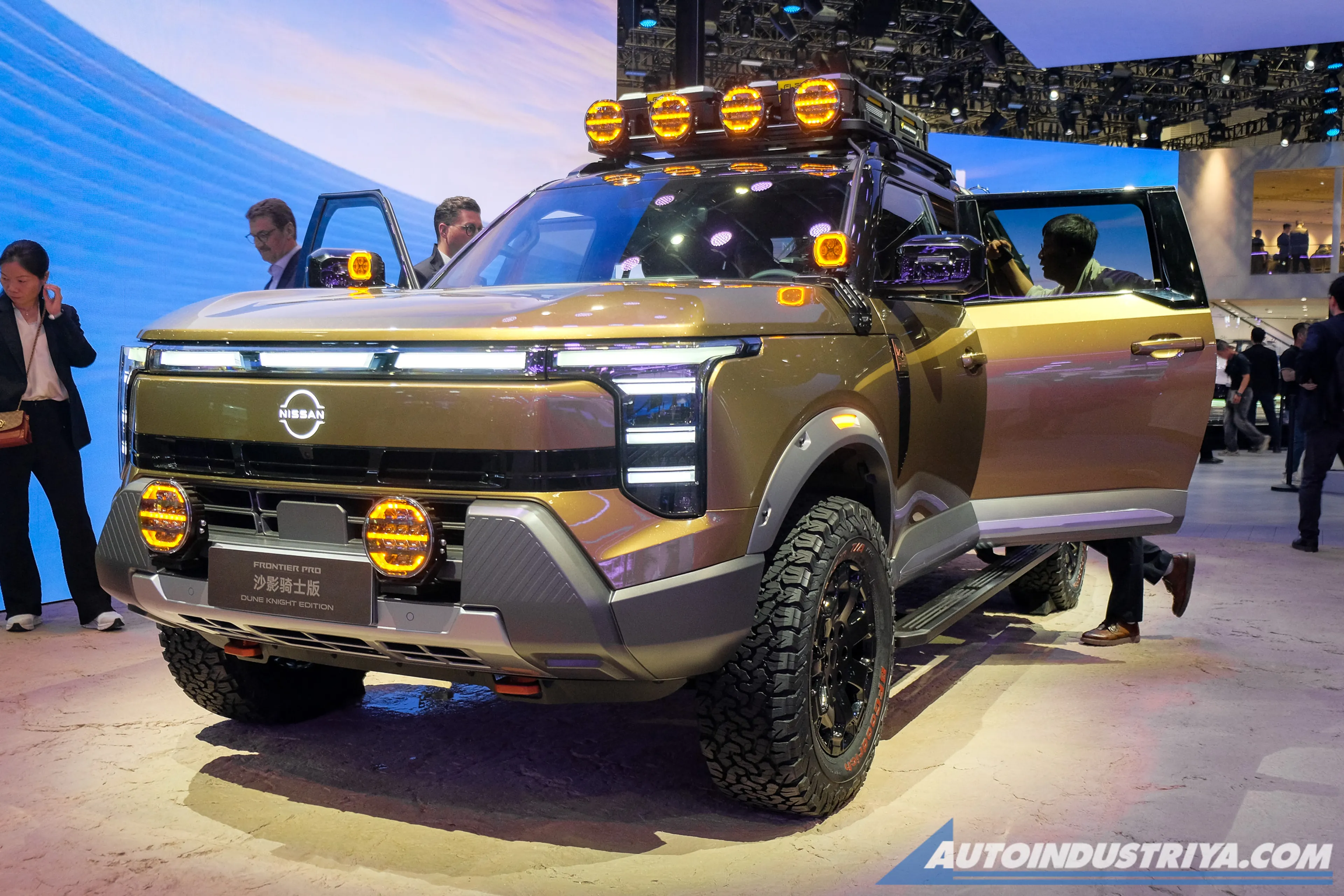
Nissan Frontier Pro Dune Knight Edition is ready for anything
Frontier Pro PHEV Dune Knight Edition demonstrates the customization options for Nissan's plug-in hybrid pickup
Take the Geely EX2 EV for a spin at 2026 Auto Focus Test Drive Festival 'til Sunday
Surprise! Geely brings out the EX2 ahead of its official launch