
EV incentive program among main topics of ASEAN Biz Media Exchange in PH
EV incentive program among main topics of ASEAN Biz Media Exchange in PH
PH wants automakers to set up factories with the EV Incentive Strategy

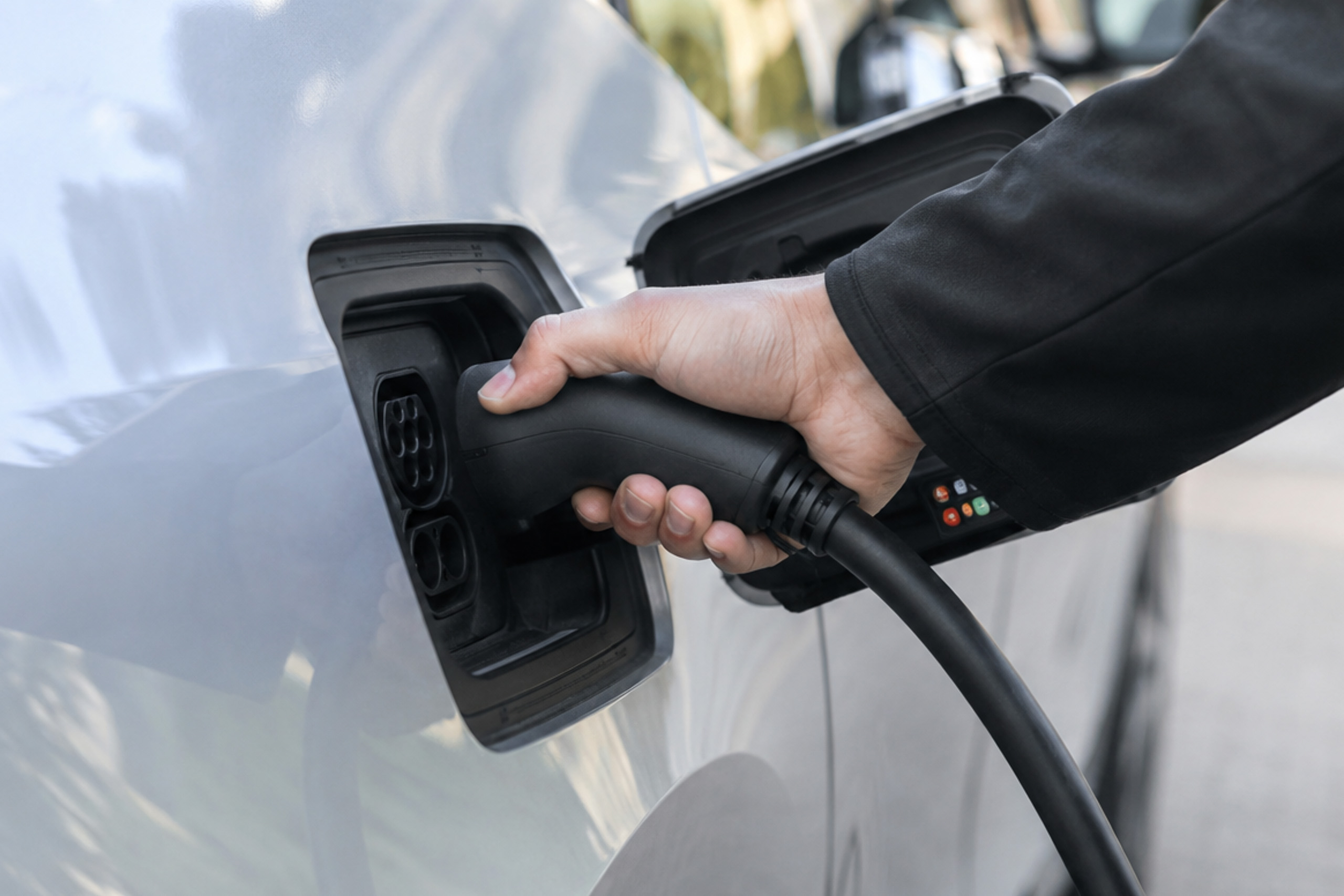
With tensions in the Middle East yet to ease up, the Philippine government is looking at measures to quickly accelerate the adoption of EVs in the country.
While the government has put up measures to help cushion the high impact of volatile fuel prices for the past several months, it seems the best way forward is to transition towards electrified mobility. With that, the Philippine government is set to roll out several measures to help the country make the shift to EVs.
The first measure involves offering financial assistance to help small transport operators switch to EVs. These include tricycles, jeepneys, and buses, which make up the bulk of the public utility vehicles (PUVs) in the country.
The second measure is perhaps the biggest and most important of them all, the Electric Vehicle Incentive Strategy (EVIS). This proposed program is aimed at encouraging automakers to establish EV manufacturing assembly plants in the country and will serve to replace the Comprehensive Automotive Resurgence Strategy (CARS) program.
According to Department of Trade & Industry (DTI) Secretary Cristina Roque, the EVIS program would provide incentives to manufacturers who will set up factories once the proposal is approved. Not only that, but the factories would also help generate jobs and stimulate other industries, including retail businesses and other ecosystems that surround automotive manufacturing.
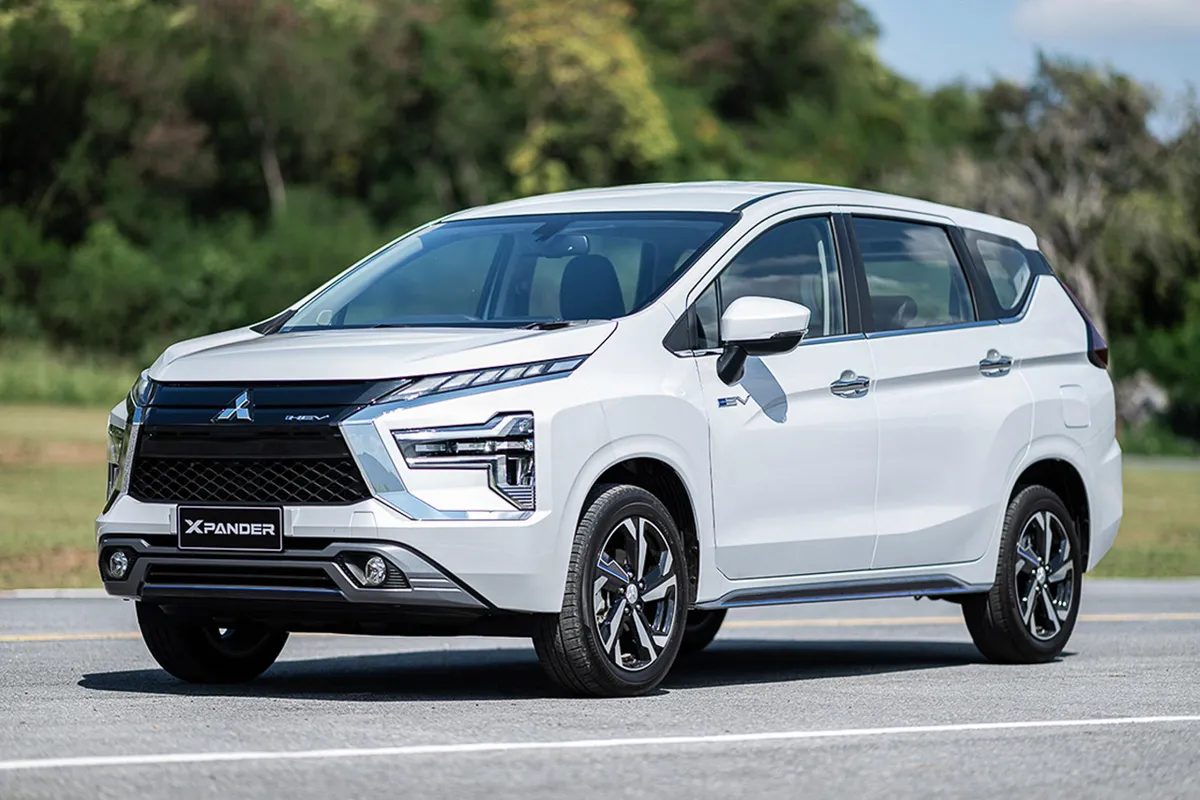
Mitsubishi Motors Philippines Corporation (MMPC) is already committed to building hybrid electric vehicles (HEVs) in the country after meeting with President Ferdinand “Bong Bong” Marcos Jr. last April 2026. Ritsu Imaeda, CEO & president of MMPC, said that Mitsubishi would not immediately shift towards EVs, as it opted instead to go for a gradual phased approach via HEVs and plug-in hybrids (PHEVs).
With the Philippines one of the most important markets for Mitsubishi Motors, the automaker announced its intention to participate in the country's EVIS program to help the country make the shift to EVs, as the local EV ecosystem grows in the coming years.
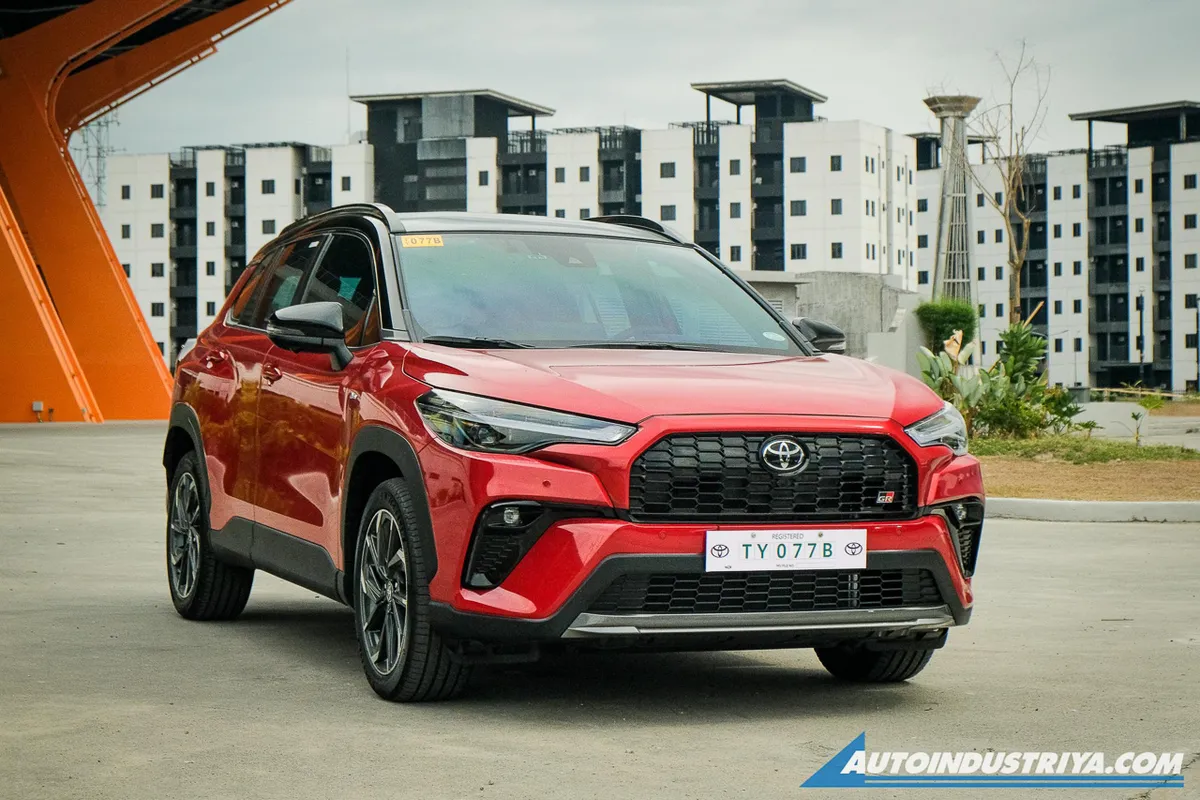
Toyota Motor Philippines (TMP) was also present at the ASEAN Business Media Exchange, which adopts a multi-pathway strategy in electrified mobility. TMP first vice president for vehicle sales operations, Ms. Elijah Marcial, said that the brand is heavily focused on HEVs, with only a small percentage of EVs. Since HEVs are self-sustaining and require no external charging, Toyota says they offer a fuel-efficient drive without the complexity of a PHEV and the dreaded range anxiety associated with EVs.
Besides Mitsubishi, no other automaker has yet to join the country's EVIS program. But with Toyota participating in the business conference, perhaps this could be the first indication that the leading automaker is also planning to support the EVIS program.
With the Philippine government looking at ways to make the EV shift, every little bit helps, as fuel prices continue to be volatile amid ongoing geopolitical tensions.
Related Posts
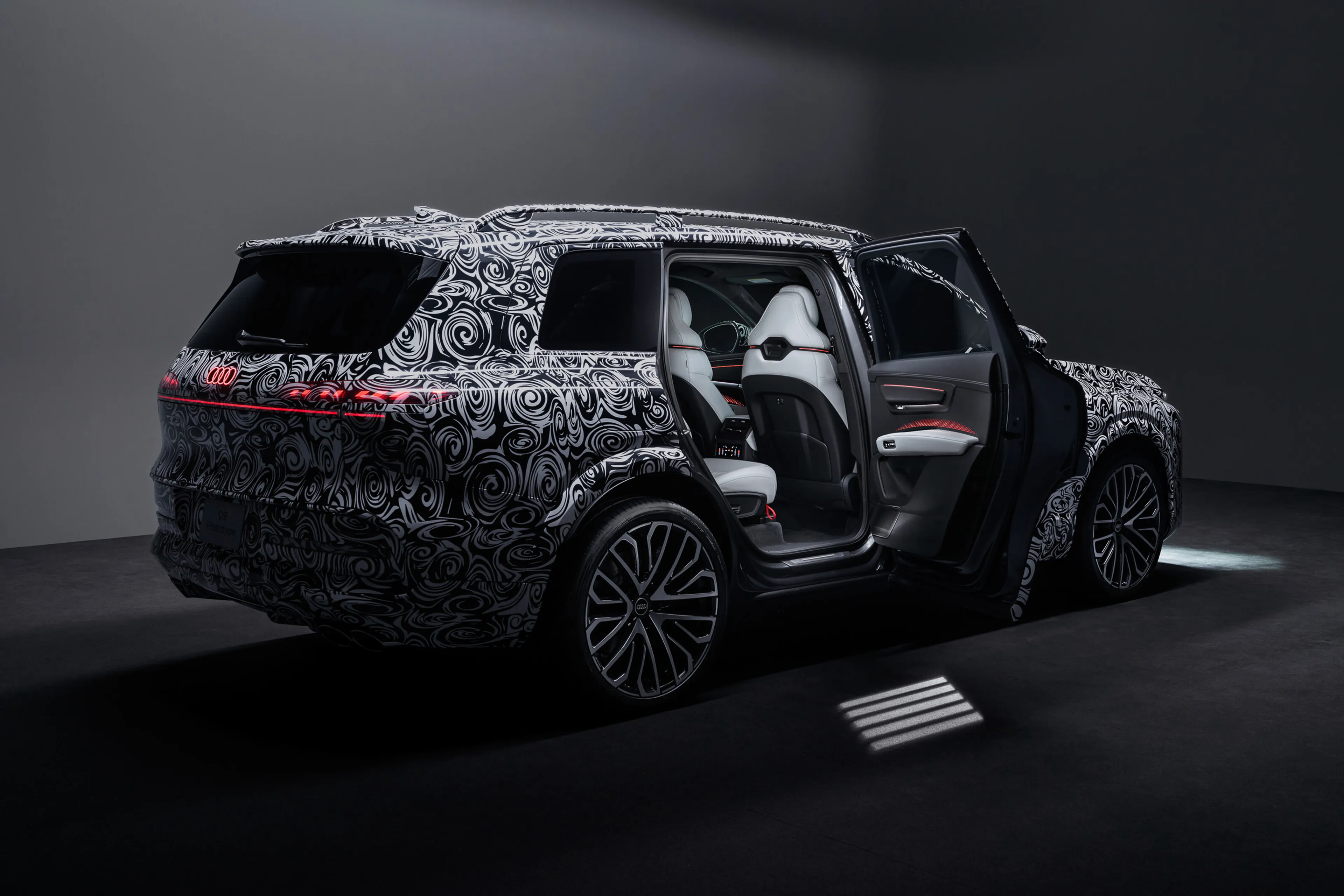
Watch out X7: This is your first look at Audi Q9 full-size SUV
Audi Q9 will be available either as a six-seater or as a seven-seater crossover SUV
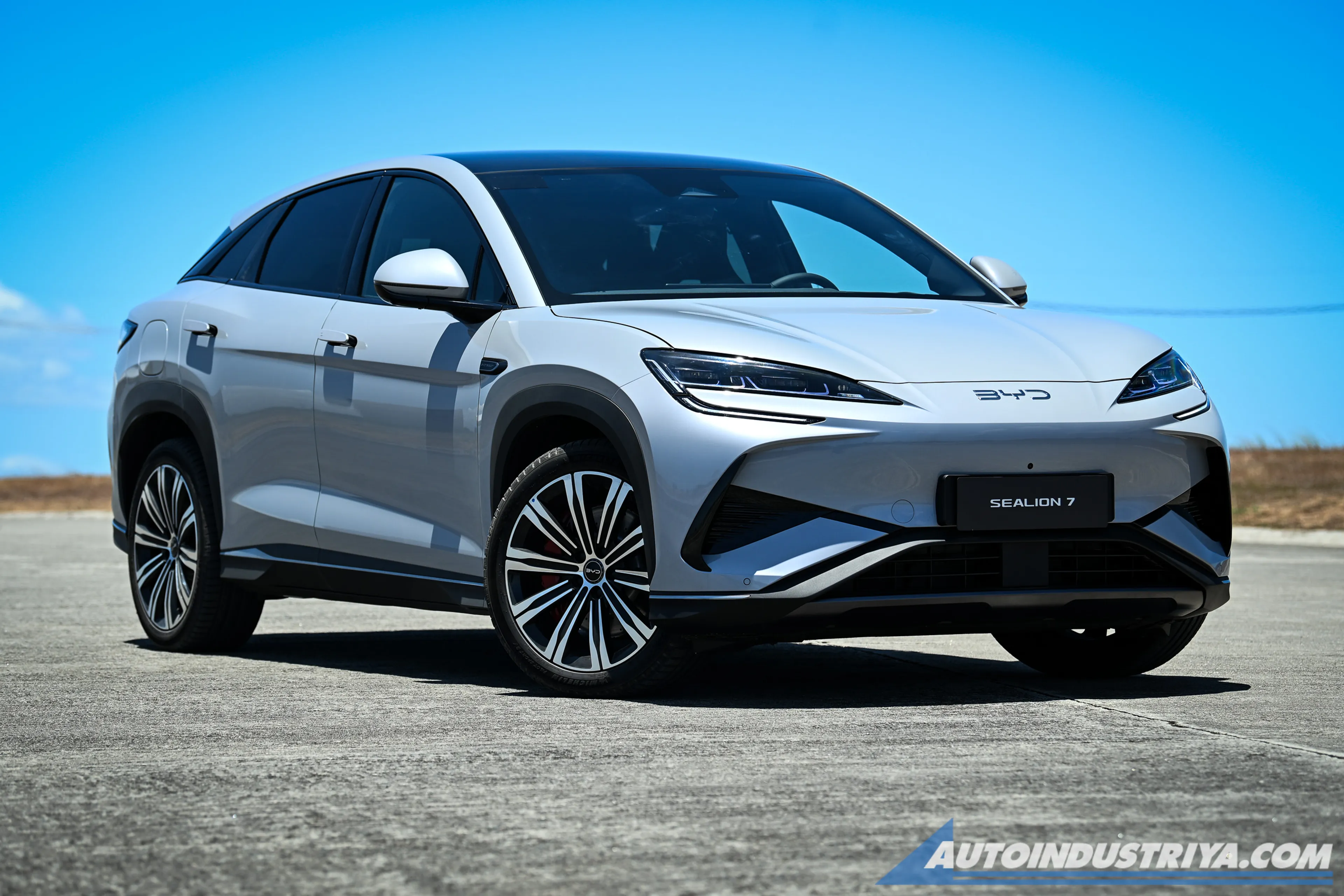
Save The Date: 2026 BYD Sealion 7 EV launches in PH this May
2026 BYD Sealion 7 to make PH debut on May 28
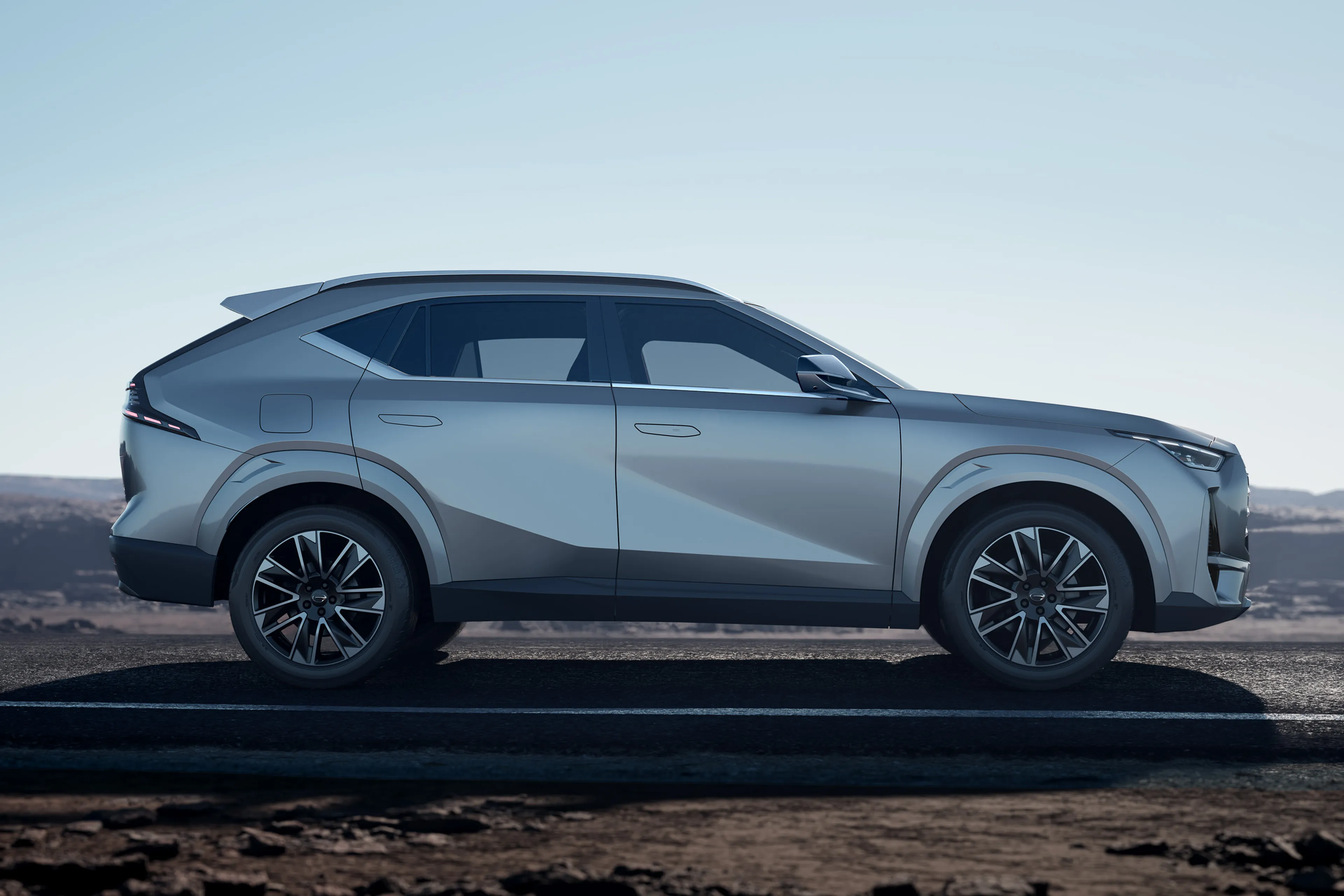
Is GAC PH launching Emkoo's sibling, the GS4 Max HEV?
It appears GAC PH is doubling down on hybrids, with GS4 Max HEV getting DOE recognition
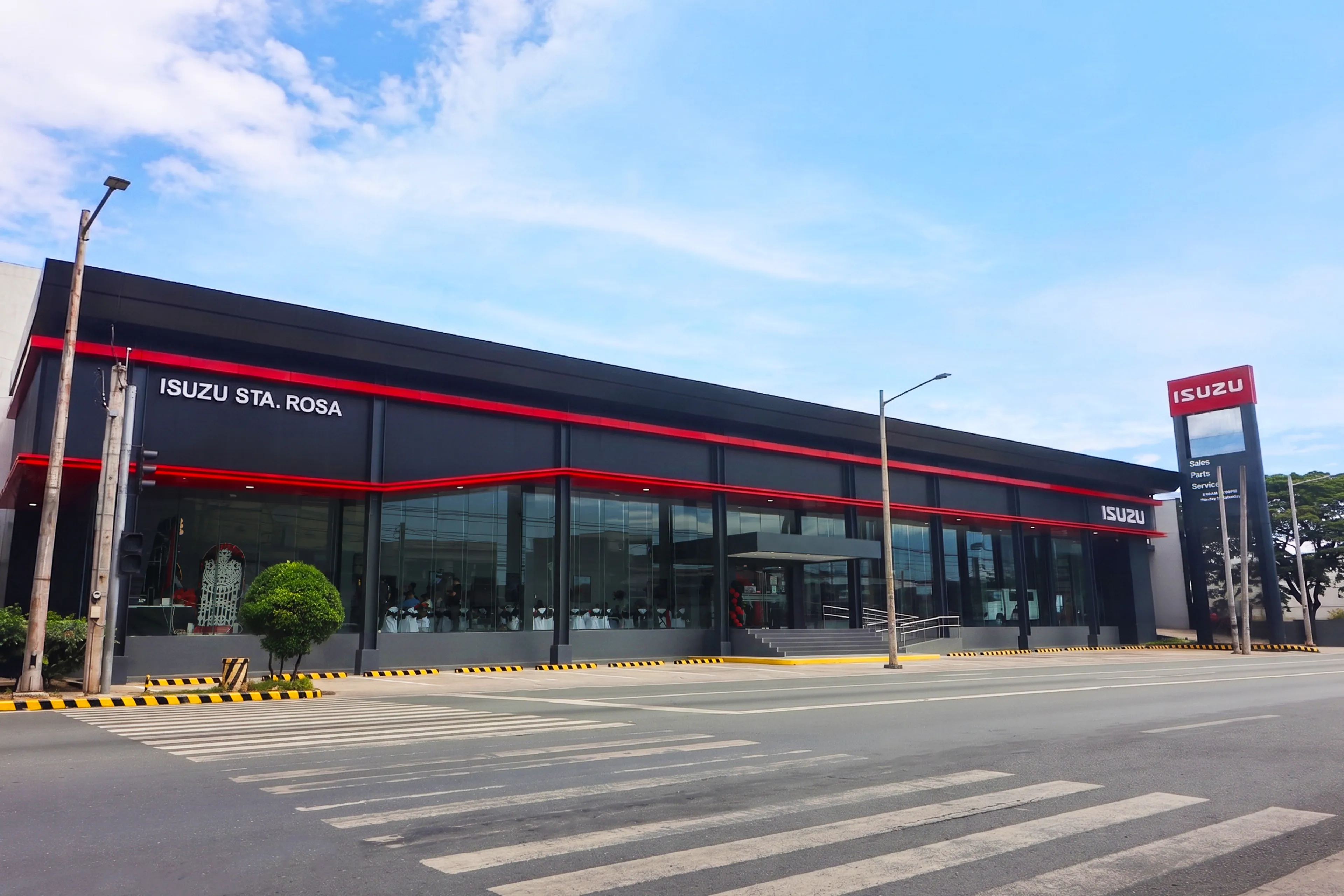
Isuzu PH reopens Sta. Rosa dealership with modernized look
Isuzu's Sta. Rosa dealership now adheres to the Isuzu Outlet Standard (IOS) look
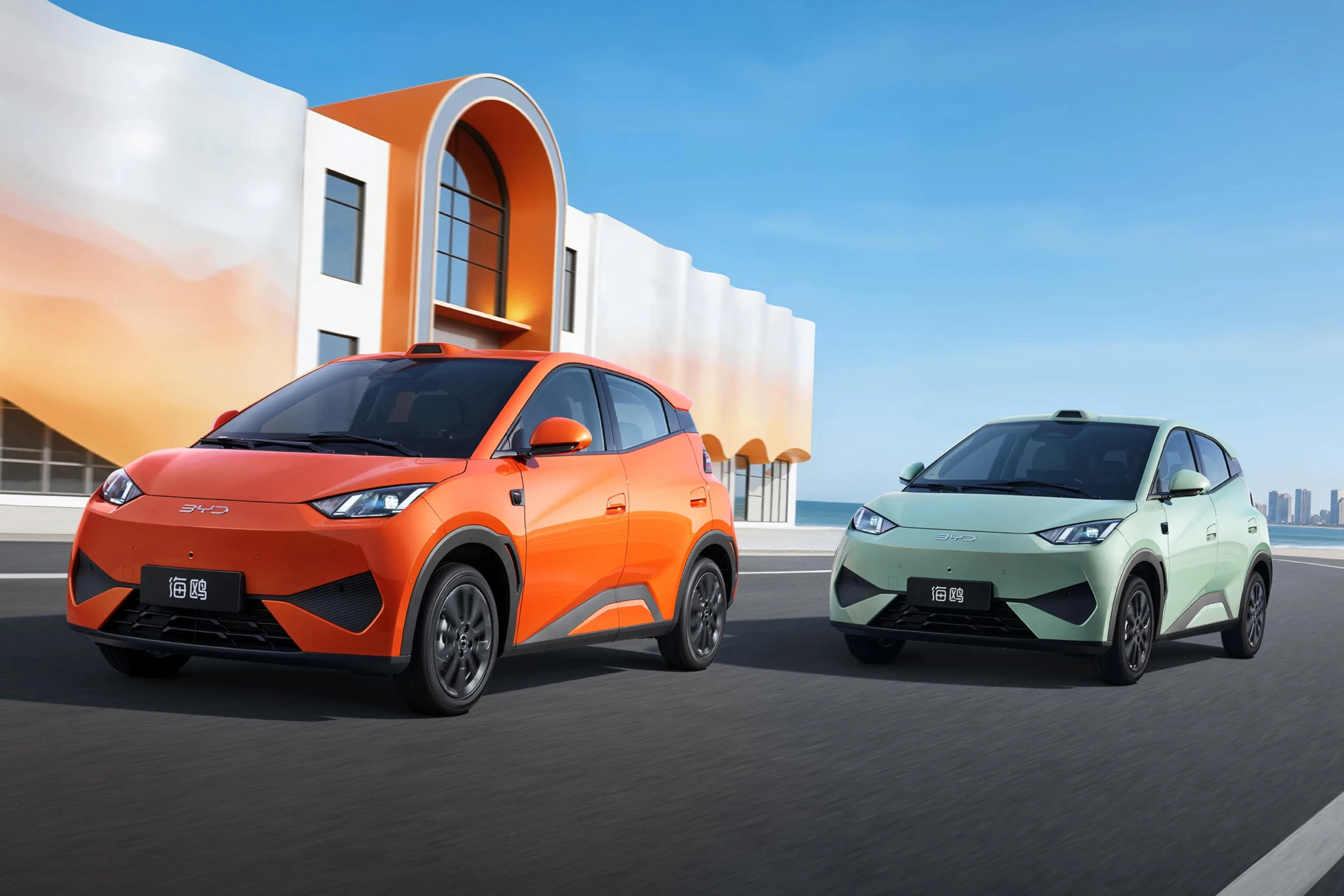
2026 BYD Seagull now has up to 405 km of range, God's Eye ADAS
The Seagull EV from BYD gets more niceties in its latest update to keep it fresh
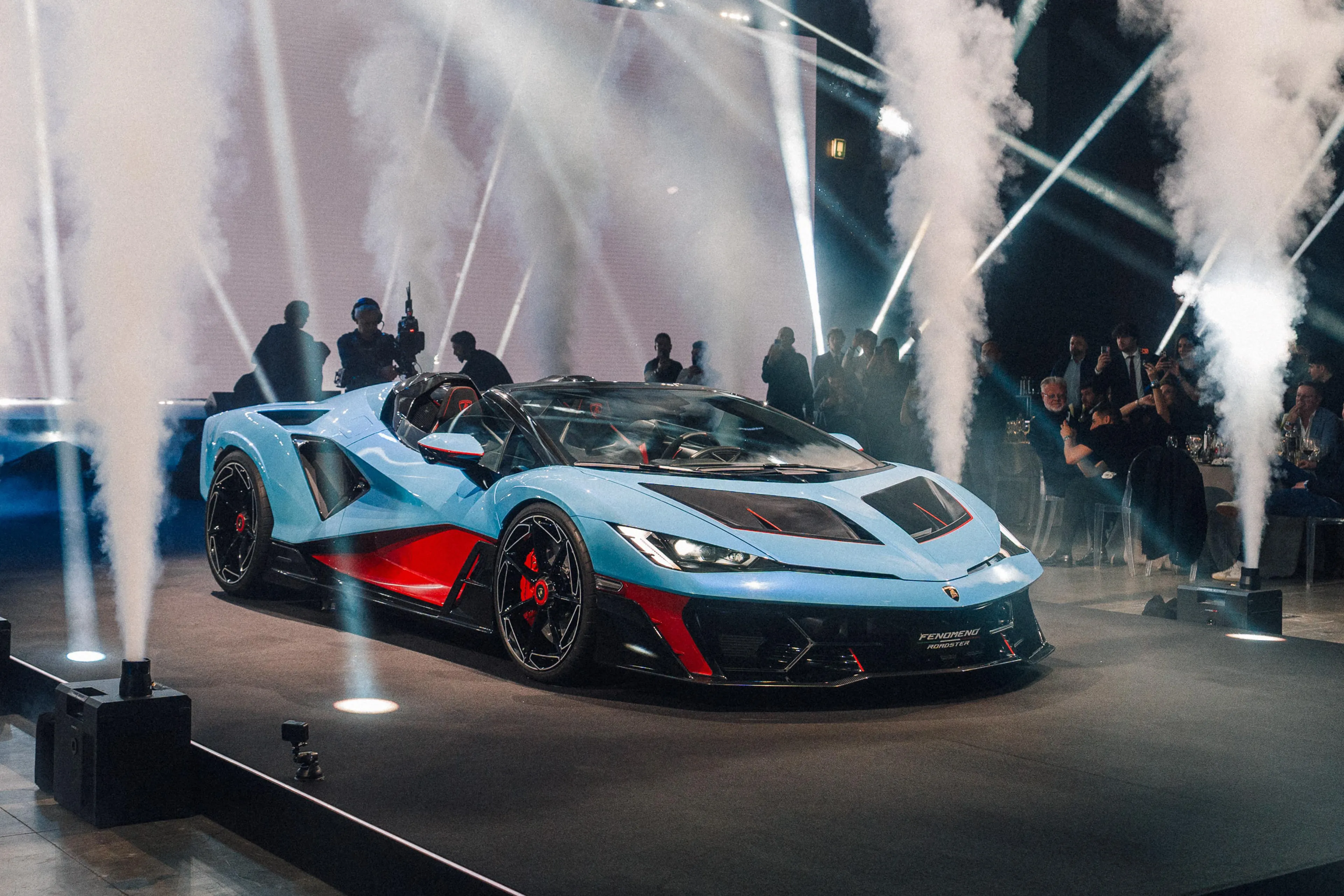
Fenomeno Roadster is the most powerful Lamborghini open-top supercar yet
Lamborghini Fenomeno Roadster revealed as an open-top V12 supercar limited to 15 units